Heat stroke can cause lasting changes, but permanent damage is not inevitable. In dogs, recovery depends on how high the body temperature rises, how long it stays elevated, and how quickly treatment begins. Some dogs recover without apparent long-term problems, while others develop organ damage or become more vulnerable to heat.
Even if your dog seems better after cooling down, heat stroke is a veterinary emergency. Internal damage can continue to develop after the initial signs improve, so your dog needs prompt veterinary assessment and may need monitoring or treatment.
Severe overheating can damage the kidneys, liver, brain, heart, and other organs. Depending on the injury, a dog may experience ongoing kidney or liver problems, neurological changes, or reduced tolerance for exercise and heat. Some complications can appear or worsen after the first few hours.
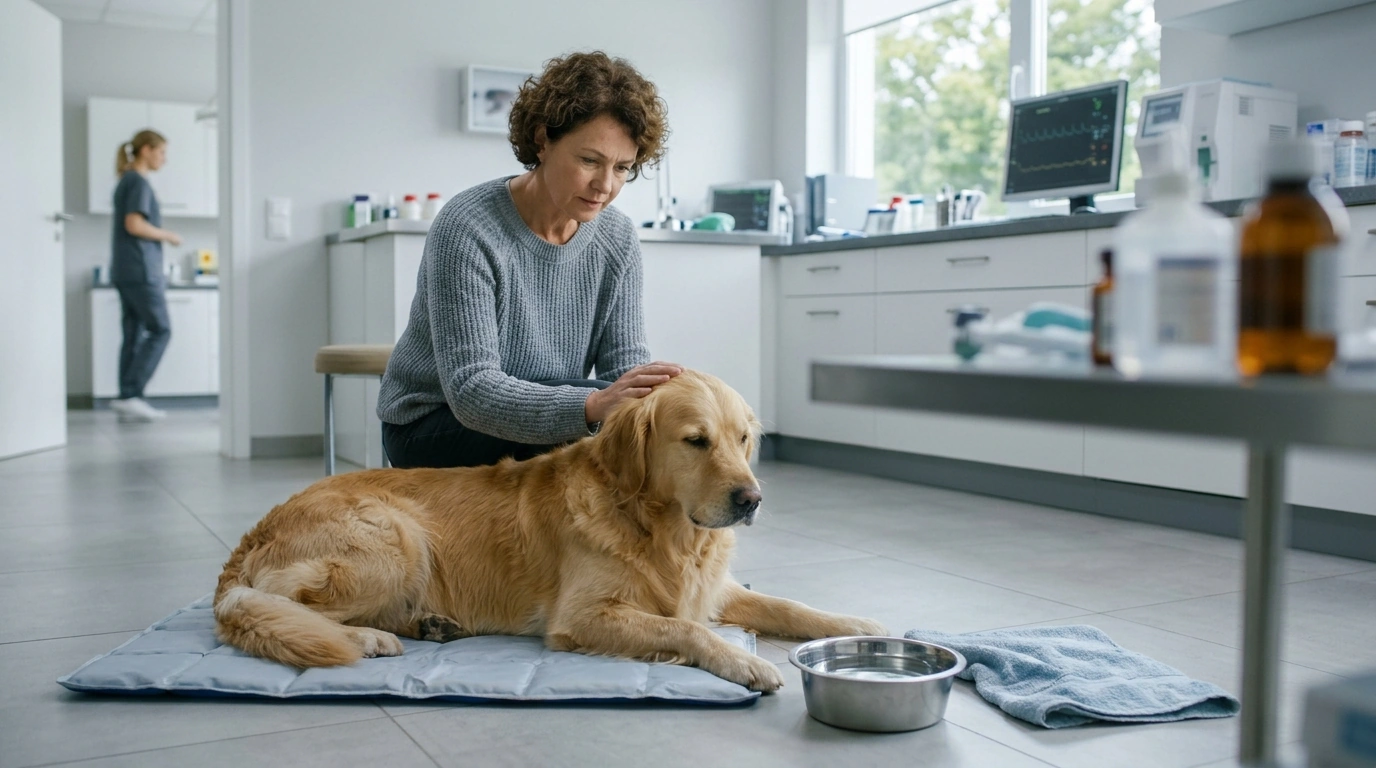
Not every dog will have these effects. Your veterinarian can use an examination, blood tests, and follow-up care to assess recovery and identify complications. Ask when your dog should return for repeat testing and which changes at home warrant an urgent call.
Follow your veterinarian’s advice before resuming walks, play, or other exercise. Your dog may need a gradual return to activity after treatment, with close attention to temperature, humidity, and signs of distress. Dogs with lasting organ or neurological damage may need a longer recovery or changes to their routine.
To reduce the risk of another episode, provide access to fresh water and shade, avoid strenuous activity in hot or humid weather, and never leave your dog in a parked car. Flat-faced breeds, older dogs, and dogs with certain medical conditions can be especially vulnerable to overheating.
Move your dog to a cool, shaded place and contact an emergency veterinarian immediately. Begin cooling with cool or room-temperature water and use a fan if available. Offer small amounts of water if your dog is alert and able to drink, but do not force it. Arrange transport to veterinary care without delay.
Our team recommends learning the warning signs before an emergency. For more guidance, visit our guide to spotting heat stroke in dogs and emergency care.
Signs can include heavy panting, excessive drooling, weakness, vomiting, confusion, or collapse. These signs require immediate cooling and urgent veterinary care.






Leave a comment