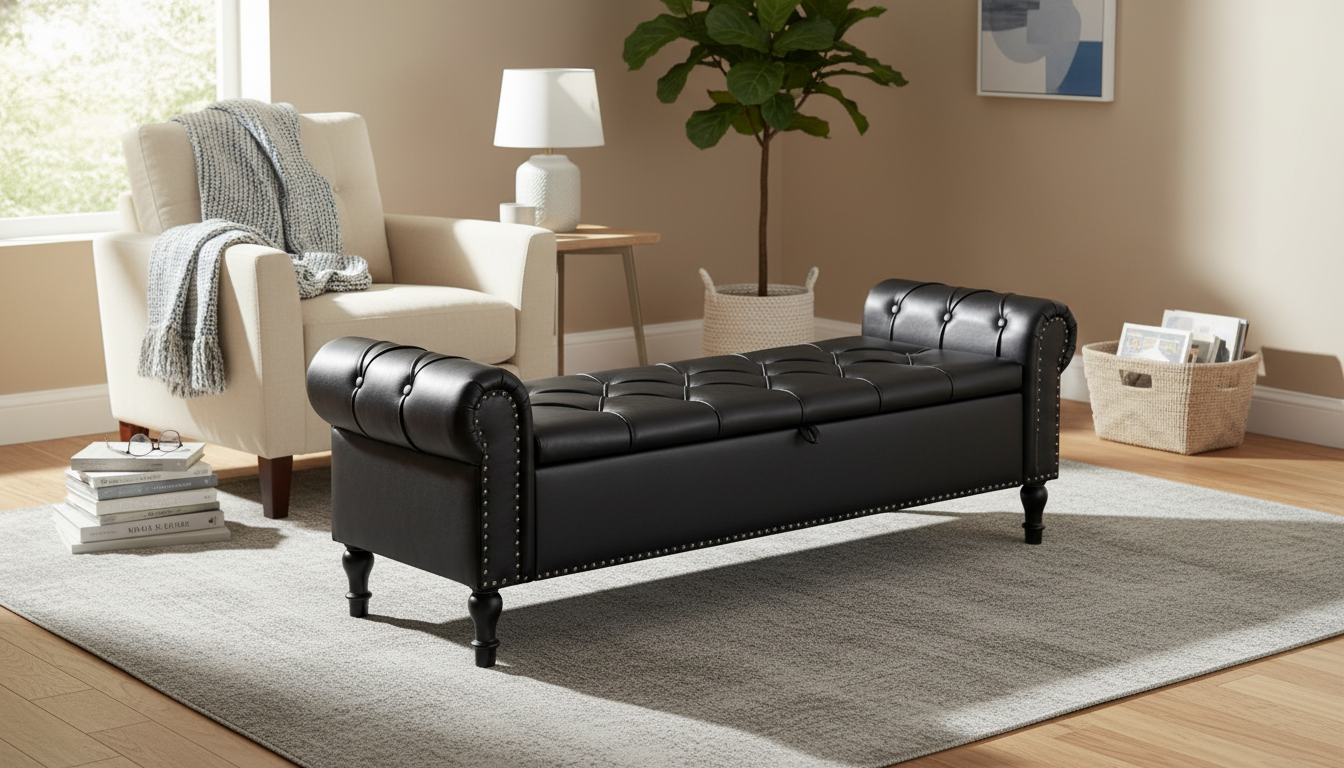
A long upholstered bench with hidden storage can pull double duty as extra seating and a place to stash everyday clutter. This 67-inch leather storage ottoman bench with arms is sized to span an entryway wall, sit at the foot of a bed, or act as a flexible perch in a living room while keeping blankets, shoes, or pillows tucked out of sight. The armrests add a more “finished furniture” feel, making it look intentional rather than like a simple storage trunk.
What This Bench Adds to a Room
- Creates an instant “landing zone” for bags, shoes, and outerwear while keeping surfaces visually tidy.
- Provides extra seating for guests without bringing in bulky chairs.
- Works as a soft barrier in open layouts (behind a sofa or along a wall) to define zones.
- Armrests give a more polished, lounge-like silhouette than armless storage benches.
Specifications at a Glance
- Long 67-inch profile suits shared use—two people can sit comfortably depending on spacing.
- Leather-look upholstery is typically easier to wipe down than many woven fabrics.
- Under-seat storage helps reduce visible clutter in bedrooms, living rooms, and entryways.
- Arms can help visually anchor the piece as furniture rather than a simple trunk.
Quick Details
| Feature |
What to look for |
Why it matters |
| Overall length |
67 inches |
Fits larger walls, beds, and open spaces without looking undersized |
| Upholstery |
Leather / leather-look finish |
Easier spot-cleaning and a structured appearance |
| Storage |
Hidden compartment under the seat |
Conceals blankets, shoes, toys, or extra pillows |
| Arms |
Integrated armrests |
Adds comfort and a more substantial silhouette |
| Use cases |
Entryway, bedroom, living room |
Improves flexibility when rooms get rearranged |
Best Places to Use a 67-Inch Storage Bench
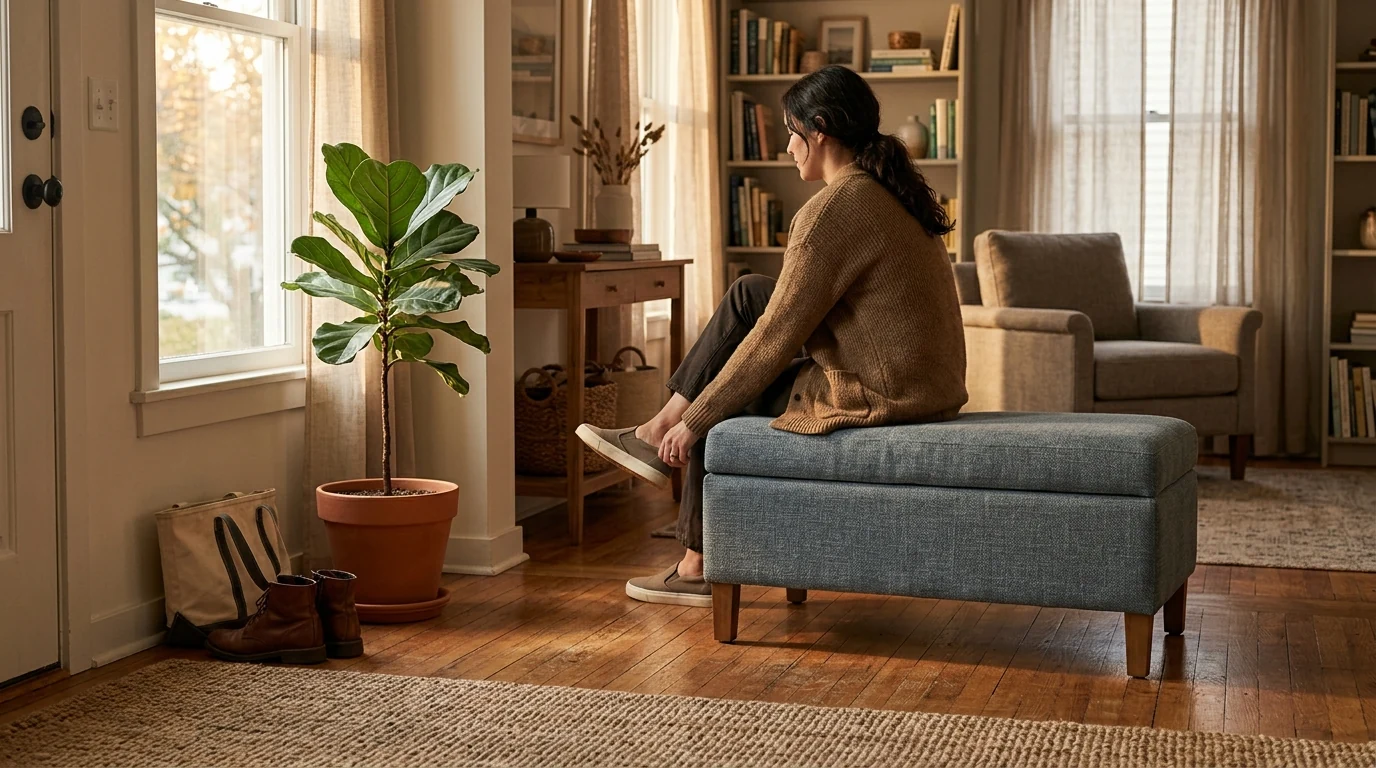
- Entryway: Place it along the longest wall for sit-and-store convenience; pair it with hooks or a mirror above to create a simple “ready zone.”
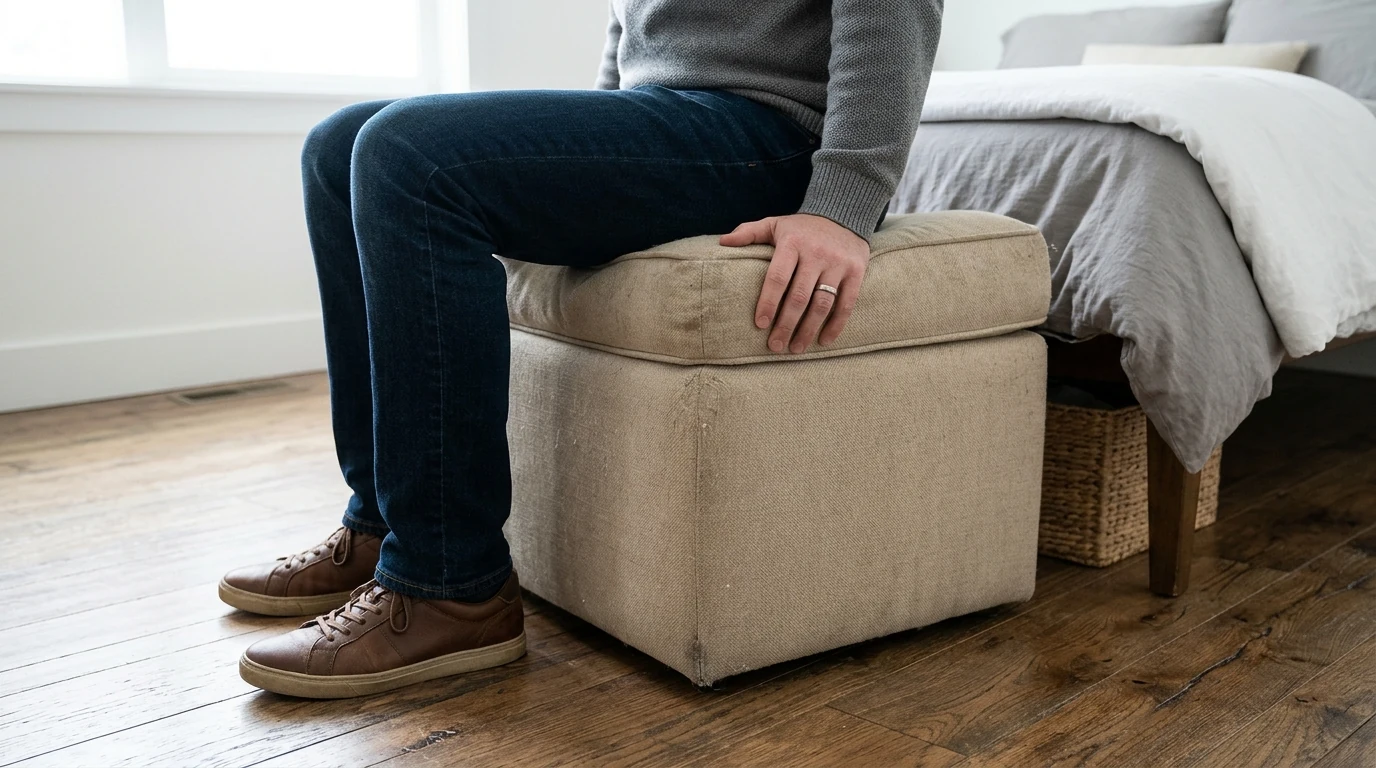
- Foot of the bed: Store spare bedding and create a finished, hotel-style look—especially helpful in primary bedrooms where extra blankets pile up quickly.
- Living room: Position behind a sofa as extra seating during gatherings; store throws, kids’ toys, or board games in the compartment so the room resets faster.
- Dining overflow: Use along one side of a table when extra seats are needed, then return it to the wall when dinner is over.
How to Measure Before Buying
- Leave a comfortable walkway: Plan enough clearance so doors and drawers open freely and traffic doesn’t bottleneck. In tight entryways, even a few inches can be the difference between “easy” and “annoying.”
- Check bed and wall proportions: A 67-inch bench often pairs well with larger beds and longer walls; in smaller rooms it can visually dominate. If the bench is wider than the open wall area, the room can feel crowded.
- Plan lid access: Make sure there’s space above and behind the bench for the seat to lift without knocking into wall décor, a window ledge, or a console table.
- Confirm seating height: If it’s going in a living room, a height similar to nearby seating can feel more natural. For entryways, prioritize a height that makes putting on shoes comfortable.
Storage Ideas That Keep It Organized
- Use soft bins inside: Separate categories (scarves, gloves, pet supplies, kids’ items) so the storage doesn’t turn into a “miscellaneous pit.”
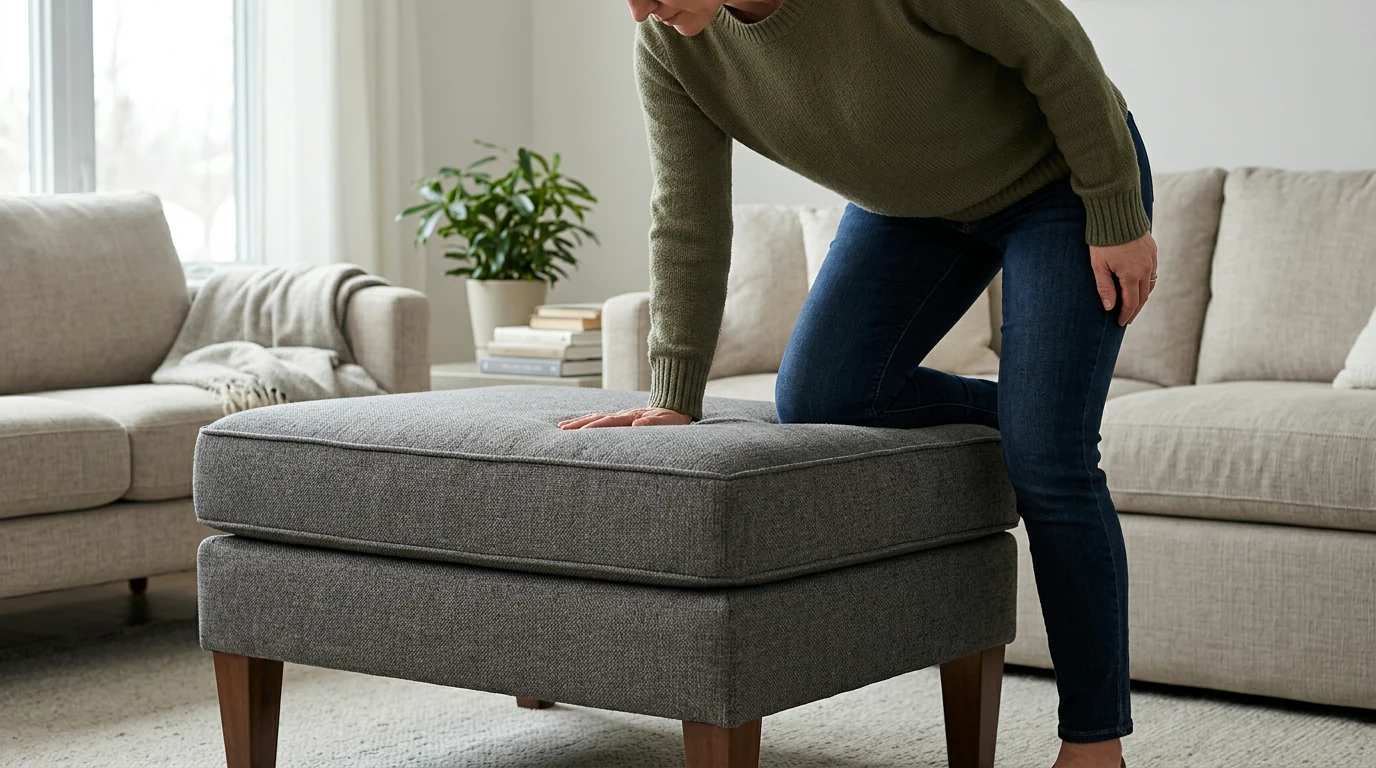
- Balance the load: Keep heavier items centered so the seat feels stable and the lid closes evenly, especially if multiple people use it daily.
- Rotate seasonal textiles: In bedrooms, store seasonal blankets and switch them quarterly to reduce closet overflow without forgetting what you already own.
- Create a daily section: In entryways, reserve a zone for “daily carry” items (reusable bags, a hat, a small umbrella) to help keep kitchen counters from becoming drop zones.
Care and Upkeep for Leather and Leather-Look Upholstery
For deeper care guidance, reference established leather-care resources such as Leather Honey’s leather care basics and Good Housekeeping’s tips for cleaning leather furniture.
Featured Item
Small Add-Ons to Finish the Space
FAQ
What is the difference between a bench and an ottoman?
A bench is typically longer and designed for seated use along a wall, in an entryway, or at the foot of a bed. An ottoman is often smaller and used as a footrest or flexible seat; an “ottoman bench” blends both by offering a bench-length upholstered seat and, in many cases, hidden storage.
Are round ottomans good for storage?
Round ottomans can be great for stashing smaller items while softening sharp corners in a room. Storage capacity is often more limited than a long bench, so they’re best when you need space for remotes, chargers, or small throws rather than bulky bedding.
What are round leather ottomans used for?
Round leather ottomans commonly serve as a footrest, extra seat, or a coffee-table alternative when topped with a tray. A long storage bench is usually a better fit when you want shared seating, entryway shoe-on convenience, or larger concealed storage.
Recommended for you



Leave a comment