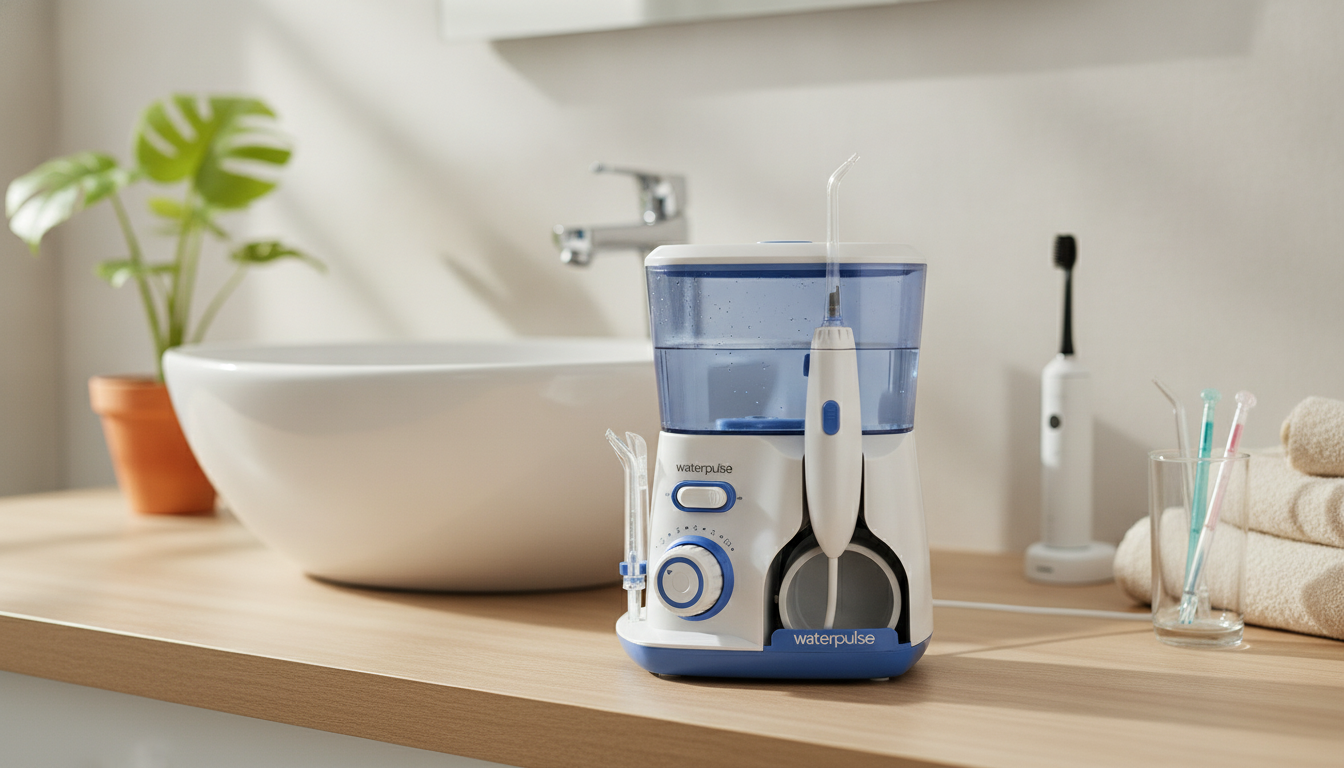
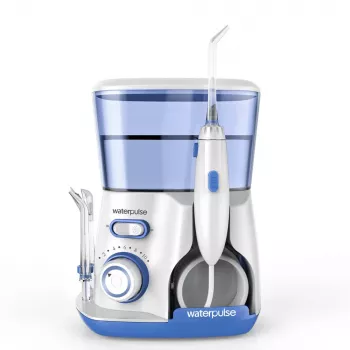
An electric water flosser with a large-capacity tank is built for longer sessions, multiple users, or anyone who prefers not to stop mid-routine to refill. With an 800ml reservoir, steady pressure, and targeted tips, it can help flush debris along the gumline, around dental work, and between teeth—especially in spots a toothbrush may miss.
Compared with smaller countertop or cordless models, an 800ml water flosser leans into consistency: more runtime, fewer interruptions, and a more relaxed pace around tricky areas.
For everyday oral care guidance and hygiene fundamentals, resources like the American Dental Association (ADA) and Mayo Clinic’s dental care basics outline the importance of cleaning along the gumline and between teeth as part of a consistent routine.
Tank size matters, but it’s only one part of daily usability. The best fit is a blend of comfort, tip options, and how easily the unit lives on your countertop.
Not everyone needs a large reservoir, but it can be a noticeable quality-of-life upgrade when time, dexterity, or orthodontic hardware makes a quick rinse feel incomplete.
| Tank size (ml) | Best for | Refill frequency (typical) | Trade-offs |
|---|---|---|---|
| 150–300 | Travel and quick touch-ups | Often 1–2 refills for a full routine | Most portable, least runtime |
| 400–600 | Single-user daily routines | Usually 0–1 refill | Balanced size and runtime |
| 700–1000 (including 800ml) | Longer sessions, braces, multi-user households | Usually no refill needed | Larger footprint; countertop-friendly |
A large tank helps most when technique is steady and systematic. Early sessions should prioritize comfort; power can come later.
If gums are tender at first, that’s often a signal to dial down pressure and slow the pass along the gumline rather than pushing through discomfort. People managing gum irritation or periodontal concerns may also find it helpful to review broader gum-health information from the National Institute of Dental and Craniofacial Research (NIDCR).
An 800ml tank gives more runtime, but it also holds more water—so simple habits go a long way toward keeping the reservoir fresh and the flow consistent.
Large reservoirs are often easier to clean when the opening is wide and the tank is removable, allowing better airflow for drying and easier access for rinsing.
Without the right match of capacity and controls, even a high-powered unit can feel like a hassle. A few practical checkpoints can narrow the search quickly.
No—an 800ml tank is mainly about fewer refills, not about being “too much” for everyday care. The main trade-off is countertop space, since larger reservoirs usually come with a bigger base.
A water flosser can be very effective along the gumline and around braces or dental work, where string floss can be difficult to maneuver. Depending on spacing and your dentist’s guidance, some people still benefit from floss or other interdental cleaners for tight contact points.
Clean, lukewarm water is a comfortable, reliable choice for most users. Avoid adding anything to the tank unless the manufacturer specifically allows it, and descale as needed if you have hard water.




Leave a comment