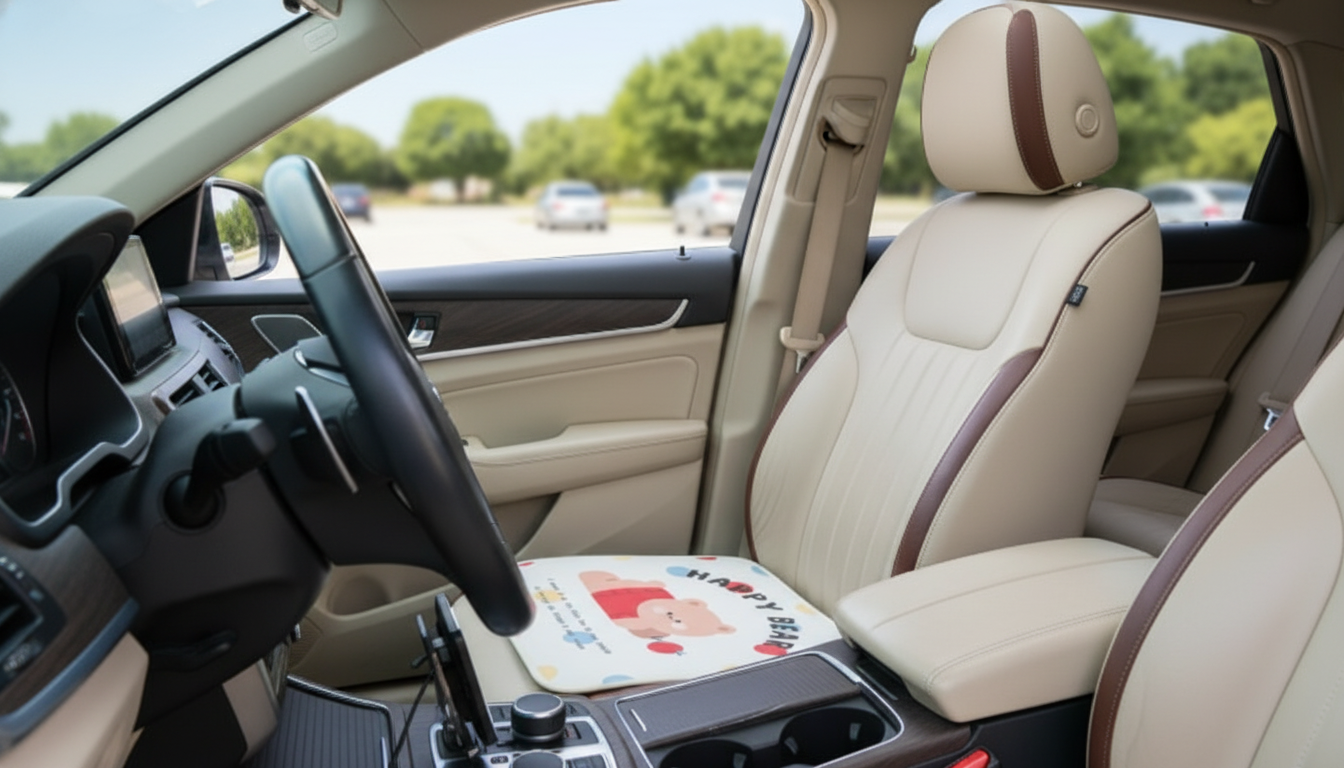
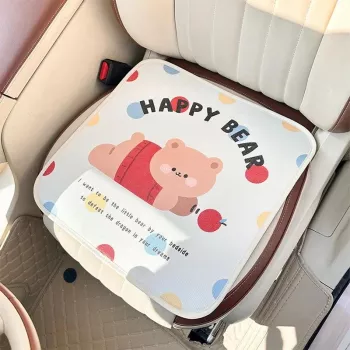
A playful seat cushion can make daily driving more comfortable while adding a friendly look to the cabin. Cartoon bear car seat cushions are especially popular for personal cars, family vehicles, and shared commuters because they soften the seat feel without the “fully covered” look of traditional seat covers. Below is a practical guide to what to look for, how to fit one safely on different seats, and how to keep it clean and looking good through everyday use.
What It Adds to a Car Interior
A cartoon bear car seat cushion does more than add a cute character to the cabin—it can change how the seat feels on long drives and how the interior looks day to day.
- Softer seating surface: Adds a gentle layer between the driver or passenger and the seat, which can reduce the “hard seat” feel on longer rides.
- A welcoming vibe: A bear theme can make a commuter car or family car feel more personal and inviting, especially for kids and frequent passengers.
- A quick refresh: Helps visually cover worn spots or light staining on upholstery without committing to full seat covers.
- Slight height boost (with care): Some users like the subtle lift for better comfort—just make sure posture, visibility, and safe control of the pedals remain unchanged.
Material and Comfort Details to Look For
Not all plush-looking cushions feel good after a week of real driving. Focus on materials and construction that stay comfortable in changing temperatures and hold up to repeated entry/exit.
- Top fabric: Choose a soft-touch surface that won’t feel sticky in heat or abrasive against clothing. Plush is cozy, but it should still feel breathable.
- Padding: Medium cushioning typically balances comfort with stable seating. Extra-thick padding can shift your driving position more than expected.
- Breathability: Fabrics and designs that reduce heat buildup are helpful in warm weather or if your car sits in the sun.
- Edge finish and stitching: Reinforced seams and tidy edging help prevent fraying, especially on the driver’s seat where movement is constant.
Quick Checklist for Comparing Options
| Feature |
Why it matters |
What to check before buying |
| Size/fit |
Helps the cushion stay flat and comfortable |
Measure seat width and depth; confirm the cushion doesn’t bunch at the seat edge |
| Non-slip backing |
Reduces sliding during turns and braking |
Look for grippy underside and/or secure attachment method |
| Padding thickness |
Affects posture and pedal reach |
Avoid extreme thickness if it changes steering wheel distance or leg angle |
| Washability |
Keeps the cushion fresh with regular use |
Check if it’s wipe-clean, machine washable, or has a removable cover |
| Compatibility |
Maintains seat functions and safety systems |
Confirm it won’t interfere with airbags, seat belt buckles, or child seat anchors |
How to Choose the Right Cushion for Your Seat
Because car seats vary widely (bucket seats, flatter bench seats, sporty side bolsters, integrated belt systems), choosing the right cushion is mostly about measurements and how you drive.
- Measure first: Get seat base width, seat base depth, and decide how much coverage you want (full base vs. partial pad). A cushion that’s too small can wander; too large can curl at the edges.
- Match style to driving habits: Daily commutes often feel best with stable, moderate padding. For occasional rides, you can prioritize softness and the bear design details.
- Consider seat material: Leather and faux leather usually need stronger anti-slip backing to prevent sliding. Cloth seats may naturally grip better, but still benefit from a non-slip underside.
- Plan for your climate: Warmer regions typically benefit from breathable surfaces that reduce heat buildup. Cooler climates may make plush textures feel more comfortable, especially in the morning.
- Think about mess potential: If the car routinely sees snacks, pets, kids, or outdoor gear, prioritize easy cleaning and durable stitching.
Fit and Safety Notes
A seat cushion should improve comfort without changing how safety systems work or how securely you can operate the vehicle. Take a minute to check fit before treating it like a permanent addition.
- Avoid covering safety zones: Keep side airbag areas and seat belt paths unobstructed. If your seat has labels indicating airbag locations, treat those areas as “no-cover” zones.
- Re-check your driving position: After installing, confirm pedal reach and steering wheel distance. Your knees should not feel cramped, and you should be able to brake firmly without stretching.
- Keep the cushion flat: Wrinkles and folds can create pressure points and reduce comfort over time. Smooth it out so it sits evenly across the seat base.
- Child seat considerations: If the cushion and a child car seat will be on the same seat, follow the child seat manufacturer’s guidance; extra padding can affect installation tightness.
- Do a short test drive: Try normal braking and a few turns to make sure the cushion doesn’t slide or shift.
For broader child passenger safety guidance, consult NHTSA’s car seat and booster seat resources and the IIHS child safety information.
Best Use Cases
Care, Cleaning, and Longevity
Common Mistakes to Avoid
FAQ
Will a seat cushion interfere with airbags or seat belts?
It can if it covers side airbag deployment areas or obstructs seat belt routing or buckles. Keep the cushion positioned on the seat base only, and confirm nothing blocks safety components per your vehicle’s manual.
How do you keep a car seat cushion from sliding?
Choose the correct size and look for a non-slip backing or built-in straps if available. Cleaning the seat surface can improve grip, and a short test drive with normal braking and turns helps confirm it stays in place.
Can it be used with a child car seat installed on the same seat?
Follow the child seat manufacturer’s instructions, since extra padding can prevent a tight, stable installation. Avoid adding layers under a child car seat unless the manufacturer explicitly allows it.
Recommended for you




Leave a comment