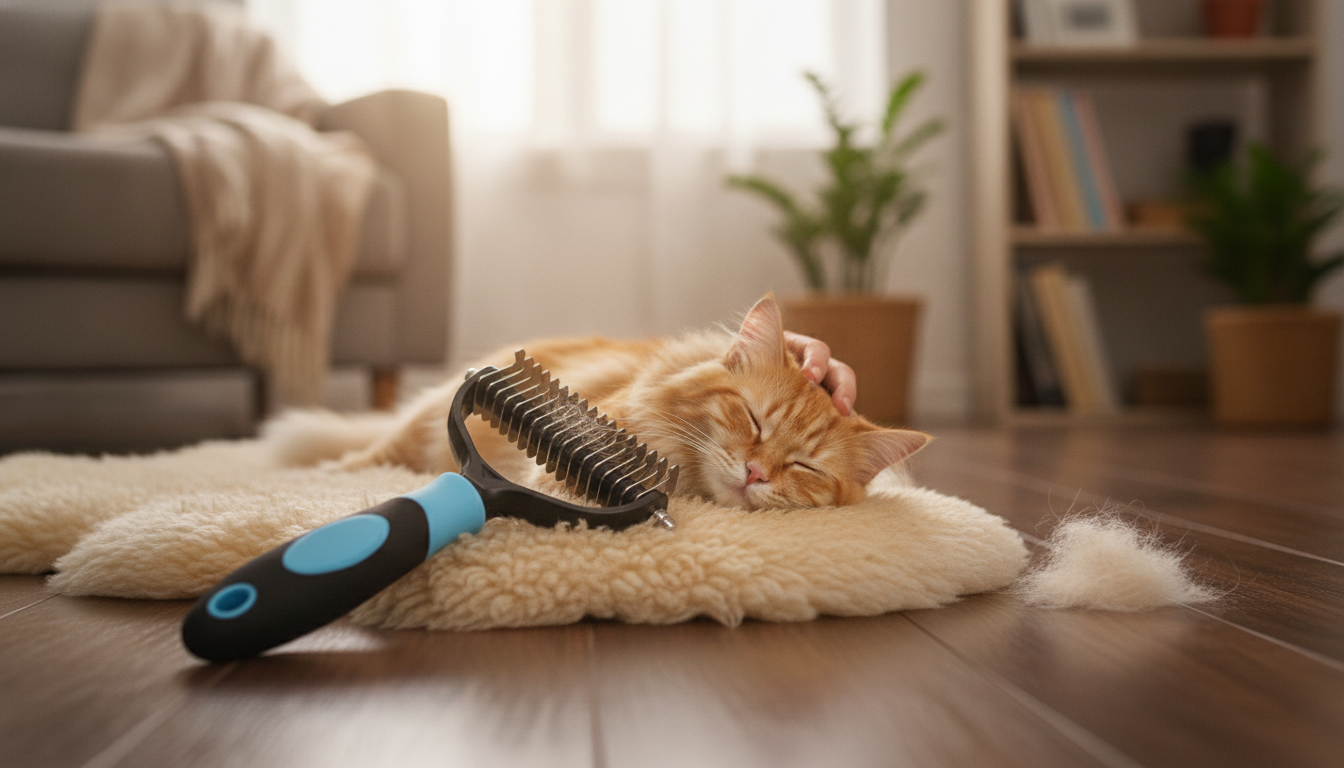
Pet Hair Removal Comb Dual-Sided Dog & Cat Grooming Brush: Everyday Deshedding and Coat Care
A dual-sided grooming comb can simplify routine coat care by handling light surface grooming on one side and deeper deshedding or detangling on the other. Used correctly, it helps lift loose undercoat, reduce hair on furniture, and keep skin and coat comfortable for both dogs and cats. For foundational grooming guidance, you can also reference the American Kennel Club’s dog grooming basics and the ASPCA’s cat grooming tips.
What a Dual-Sided Grooming Comb Does
Dual-sided grooming combs are designed to make coat care more efficient by giving you two working edges in one tool. That matters because most pets don’t need the same intensity everywhere on the body, or even throughout the year.
- Two working edges support different tasks: one side is meant for general grooming, while the other is intended for more intensive coat work like releasing undercoat or addressing denser areas.
- Reduces loose hair around the home: removing shed hair before it drops can help keep clothing, car seats, and upholstery cleaner—especially during seasonal coat blows.
- Supports coat hygiene: regular combing separates hair, loosens light debris, and helps the coat lie flatter and look tidier.
- Works best as a routine: brushing is most comfortable and effective when paired with appropriate bathing (as needed), thorough drying, and consistent maintenance sessions.
Best Uses by Coat Type and Situation
The “right” side and technique depends on coat length, density, and your pet’s tolerance. If you’re unsure, start with the gentler side and treat the deeper side as a targeted tool rather than an all-over default.
- Short coats: frequent, gentle sessions help lift loose hair without irritating skin. Keep strokes long and light.
- Medium coats: alternate sides—smooth the topcoat first, then focus on denser zones like the rump, shoulders, and chest where hair tends to pack in.
- Long coats: work section-by-section to prevent mats. To avoid yanking, hold the hair near the skin with your free hand while you detangle the ends.
- Double coats: concentrate on undercoat release during heavy shedding seasons. Stop if the skin becomes pink, warm, or sensitive to the touch.
- Cats: use lighter pressure and shorter sessions. Many cats prefer brief grooming “bursts” with breaks, and overstimulation is a common reason cats suddenly object.
Quick match guide: side selection and technique
| Coat/Need |
Recommended side |
How to use |
Frequency |
| Light shedding (short coat) |
Gentler grooming side |
Long strokes with minimal pressure; follow coat direction |
2–4x per week |
| Seasonal shedding (double coat) |
Deshedding/deeper side |
Work in small sections; lift hair, then stroke out |
3–5x per week during peak shed |
| Tangles starting (medium/long) |
Gentler grooming side first |
Detangle ends-to-roots; stabilize hair near skin |
As needed, ideally weekly |
| Dense areas (hips, chest, behind ears) |
Deeper side with caution |
Short controlled strokes; check skin often |
1–3x per week |
How to Use It Safely (Step-by-Step)
Comfort is the difference between a tool that helps and a tool your pet learns to avoid. Keep sessions short, stay gentle, and aim for steady progress rather than “finishing everything” in one sitting.
- Prep: make sure the coat is dry and free of heavy debris. A quick wipe-down can prevent dragging grit across the skin.
- Start gentle: begin with the softer side to relax your pet and assess sensitivity before moving to deeper work.
- Section the coat: part the fur and work small areas instead of repeatedly raking the same large zone.
- Mind the pressure: let the tool do the work. Pressing harder increases irritation risk and doesn’t necessarily remove more hair.
- Sensitive zones: reduce pressure on the belly, armpits, groin, tail base, and behind the ears. Use shorter strokes and pause often.
- End calmly: switch back to the gentler side to smooth the coat. Offer a reward and stop before your pet gets restless, especially for anxious pets.
How to Choose the Right Grooming Comb for Dogs and Cats
When inventory is limited, it helps to focus on design details that make a noticeable difference in daily use—especially comfort and control.
- Teeth spacing: wider spacing is often better for thicker coats and heavier shedding; closer spacing can help on finer coats but may snag if used aggressively.
- Rounded tips and smooth finish: these reduce scratching and improve comfort for sensitive skin and thinner-coated areas.
- Handle grip: a non-slip, comfortable handle supports steady, light pressure and lowers the chance of accidental pokes if your pet shifts.
- Size and reach: a comb that matches your pet’s size makes it easier to work in small sections (and reduces repetitive passes over the same spot).
- Coat sensitivity: for senior pets, thin skin, or pets prone to irritation, prioritize gentler tooth design and keep sessions shorter and more frequent.
For additional skin-and-coat care considerations—especially if your pet has frequent itchiness or flakes—see the Humane Society’s guidance on grooming and coat care.
Common Mistakes That Cause Discomfort (and What to Do Instead)
Many grooming issues come down to speed, pressure, and trying to force the tool through resistance. Small adjustments can make grooming feel dramatically better to your pet.
Care, Cleaning, and Storage
FAQ
Can a dual-sided grooming comb be used on both dogs and cats?
Yes. For cats, use lighter pressure and shorter sessions, start with the gentler side, and stop if your cat shows signs of overstimulation or discomfort.
How often should shedding be brushed out?
Most pets do well with 2–4 brushing sessions per week, increasing during seasonal shedding. If you notice redness or irritation, reduce frequency and keep sessions shorter.
What should be done if the comb catches or pulls?
Stop immediately, reduce pressure, and work in smaller sections. Hold the fur near the skin and detangle from the ends toward the roots rather than forcing the comb through.
Recommended for you





Leave a comment