HomeBlogBlogElevated Wooden Planter Box Raised Bed: Setup & Growing Tips

Elevated Wooden Planter Box Raised Bed: Setup & Growing Tips

Elevated Wooden Planter Box Raised Bed: Setup & Growing Tips

Raised Garden Bed with Elevated Wooden Planter Box for Outdoor Planting: Practical Setup and Growing Guide

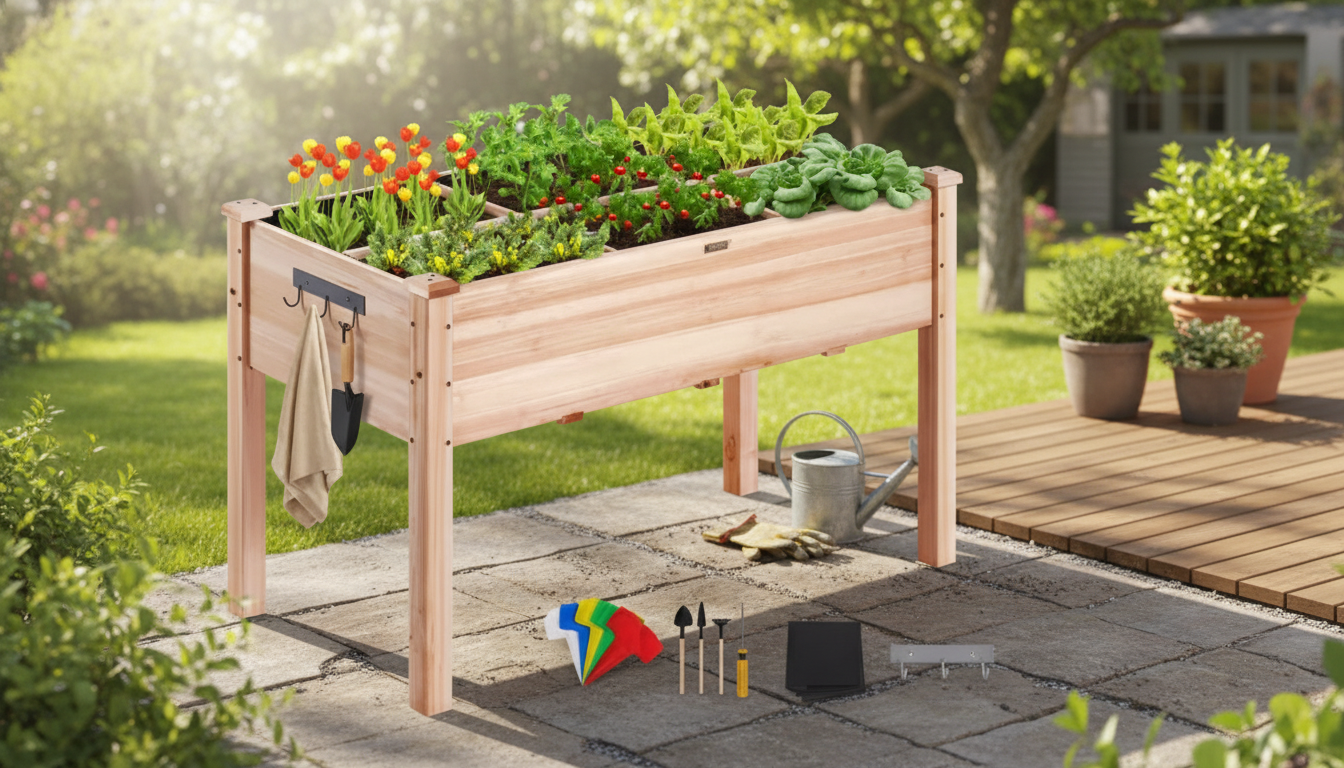
An elevated wooden planter box creates a comfortable, tidy growing space for patios, decks, balconies, and small yards. With the right placement, soil blend, and planting plan, an above-ground bed can deliver strong harvests while reducing bending and helping keep weeds and some pests in check.

If you’re ready to set up a sturdy, space-smart growing station, see the Raised Garden Bed with Elevated Wooden Planter Box for Outdoor Planting for a practical option designed for outdoor use.

Why an Elevated Wooden Planter Box Works So Well Outdoors

  • More comfortable gardening height for planting, pruning, and harvesting with less kneeling and bending
  • Cleaner growing area on patios and decks; contained soil stays where it belongs
  • Better control over soil quality, drainage, and fertility than many in-ground spots
  • Helps reduce weed pressure compared with open ground; easier to spot and remove seedlings early
  • Useful in challenging sites (poor native soil, heavy clay, compacted ground) where traditional beds struggle

Because the growing medium is fully “yours,” it’s easier to start with a consistent texture and fertility level—especially helpful when native soil is sticky clay, sandy, or full of rubble. The contained footprint also makes it simpler to keep pathways clean and avoid tracking soil onto decking.

Choosing the Best Location: Sun, Wind, and Drainage

  • Aim for 6–8+ hours of direct sun for most vegetables; leafy greens can tolerate partial sun
  • Position to avoid constant strong wind that dries soil quickly; use a windbreak if needed
  • Keep close to a water source to make consistent watering easier (key for containers and elevated beds)
  • Set on a level surface for stability; use shims or leveling feet if the patio/deck slopes
  • Confirm water can drain freely from the planter; avoid blocking drainage holes against a solid surface

On balconies and rooftops, double-check weight limits before filling any elevated bed. Moist soil is heavy, and adding plants, trellises, and water can push loads higher than expected.

Soil Blend That Stays Fluffy and Productive

  • Use a lightweight, well-draining mix rather than dense garden soil that can compact in a planter box
  • A simple starting blend: quality potting mix as the base, plus compost for nutrients, plus an aeration component (perlite, pumice, or pine bark fines) for root oxygen
  • Avoid filling with pure compost; it can shrink and hold too much moisture in some conditions
  • Top-dress with 1–2 inches of compost during the growing season to refresh nutrients
  • Mulch the surface (straw, shredded leaves, or bark) to slow evaporation and reduce soil splash onto leaves

Compost quality matters: aim for finished compost that smells earthy and is fully broken down. For compost basics and safe home practices, the EPA’s composting at home guide is a reliable reference.

Reliable Soil Mix Options for an Elevated Planter

Goal Mix Approach Notes
Fast, easy start High-quality potting mix + 20–30% compost Good for most herbs and greens; monitor fertility after 4–6 weeks
High-yield vegetables Potting mix + compost + perlite/pumice Improves drainage and root growth; ideal for tomatoes/peppers (with support)
Water-wise in hot climates Potting mix + compost + pine bark fines Holds moisture while keeping air pockets; mulch heavily

For a deeper dive into raised-bed fundamentals (including soil and siting), the University of Minnesota Extension raised bed gardening guide is another strong resource.

What to Plant: Space-Smart Crops for Elevated Beds

  • Best matches for many elevated planter boxes: lettuce, spinach, arugula, kale, radishes, green onions, basil, cilantro, parsley, thyme, and strawberries
  • Compact fruiting options: bush beans, patio peppers, compact eggplant varieties, and determinate tomatoes (with a sturdy cage/trellis if the planter supports it)
  • Avoid overcrowding; fewer plants with better airflow often outproduce a tightly packed box
  • Stagger planting every 2–3 weeks for salads (succession sowing) to keep harvests steady
  • Pair crops thoughtfully: quick growers (radishes) alongside slower crops (kale) to maximize space early

A simple space-maximizing pattern is to keep taller plants to the north or back side (relative to your sun exposure) so they don’t shade shorter greens. If your elevated bed is on a wall-facing balcony, rotate containers or planters seasonally as the sun angle changes.

Watering, Feeding, and Seasonal Care

Simple Setup Checklist Before the First Planting

Elevated vs Ground-Level Raised Beds: Which Fits the Space?

Quick Comparison

Feature Elevated Wooden Planter Box Ground-Level Raised Bed
Comfort Higher working height; less bending More bending unless the bed is tall
Water use Often dries faster; frequent checks Usually more stable moisture
Weeds Typically fewer and easier to manage More exposure to windblown seeds
Root room Limited by planter depth Can be built deeper; roots can extend into native soil

Featured Items Available Now

FAQ

What vegetables grow best in an elevated wooden planter box?

Focus on shallow-to-medium rooted crops and compact varieties: salad greens, herbs, radishes, green onions, strawberries, and patio peppers. Use cages or trellises for compact tomatoes or beans if the planter is stable.

Should an elevated wooden planter be lined?

Use a liner only if it’s designed to protect the wood while still allowing drainage. Avoid blocking drainage holes; roots need air and excess water must escape.

How often should an elevated planter box be watered?

Check more frequently than in-ground beds and water deeply when the top inch of soil is dry. In hot or windy weather that may be daily, while cooler periods may need watering every few days.

Was this article helpful?

Yes No
Leave a comment
Top

Yay! 10% Off Just for You!

Join our community and enjoy 10% off your first order. Subscribe for exclusive deals!

Shopping cart

×