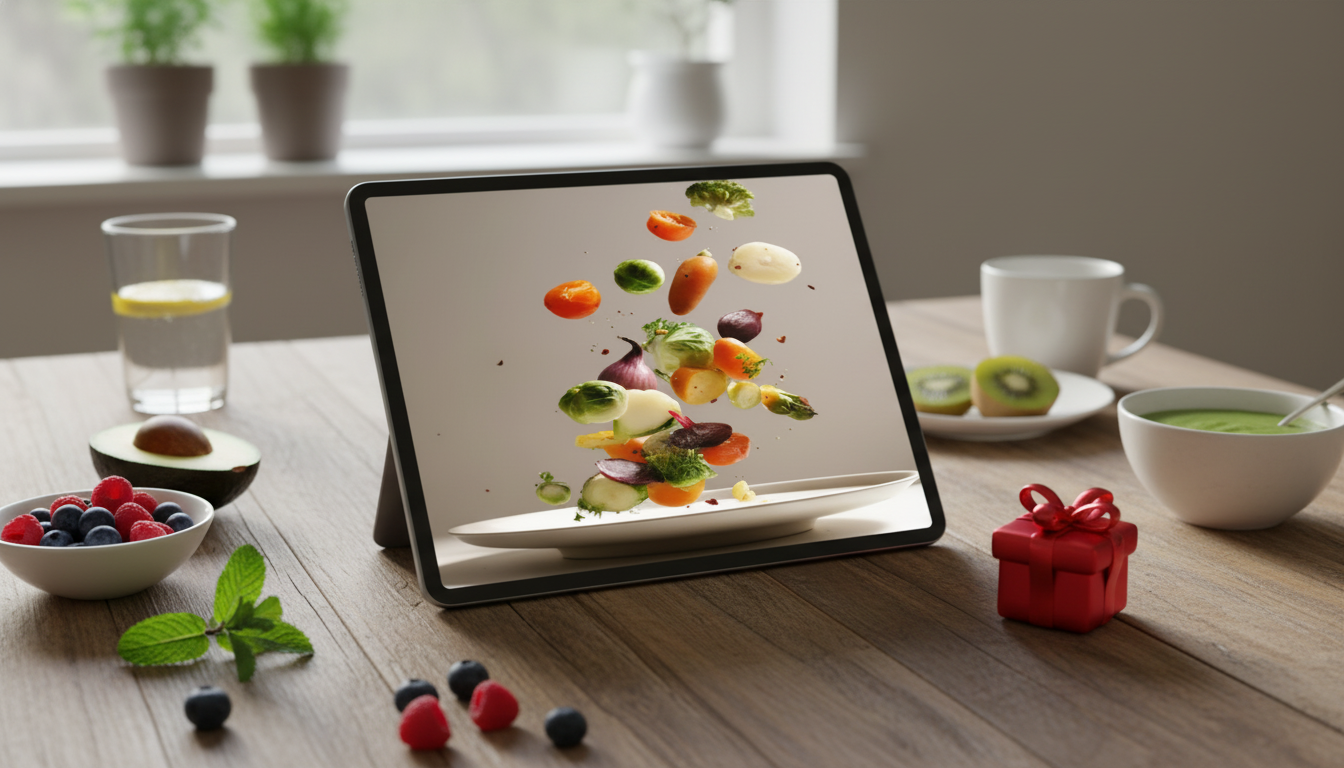
“Glowing” skin usually isn’t about one magic ingredient. It’s the visible result of steady inputs that support the skin’s barrier strength, hydration, inflammation balance, and nutrient availability over time. When those basics are supported, skin tends to look calmer, more even, and naturally brighter.
Food can influence the look of sebum balance, redness, dullness, and texture because it affects blood sugar stability, fatty acid intake, and micronutrient status. The most noticeable changes typically come from consistency: repeatable meals and snacks that deliver key nutrients most days, rather than chasing a different “superfood” each week.
Many skin-supportive nutrients work as a team: antioxidants help neutralize daily oxidative stress, fats support the barrier’s lipid layer, and protein supplies amino acids for structure and repair. A well-rounded approach also tends to be easier to maintain than restrictive routines.
| Nutrient focus | Food sources | Simple way to eat it |
|---|---|---|
| Vitamin C | Berries, citrus, bell peppers | Greek yogurt + berries; bell pepper slices with hummus |
| Carotenoids | Carrots, sweet potato, spinach | Roasted sweet potato; spinach blended into smoothies |
| Vitamin E | Almonds, sunflower seeds, avocado | Avocado toast; sprinkle seeds on salads |
| Omega-3s | Salmon, sardines, chia, flax | Salmon bowl; chia pudding; flax in oatmeal |
| Zinc | Pumpkin seeds, beans, seafood | Bean chili; pumpkin seeds on soups or salads |
| Polyphenols | Green tea, cocoa, colorful plants | Unsweetened cocoa in oats; green tea mid-morning |
A “glow plate” is a practical framework you can repeat with different cuisines, budgets, and schedules. Aim to build most meals with these elements:
For fat guidance and why it matters for overall health, the Harvard T.H. Chan School of Public Health offers a clear overview.
Different bodies react differently, so this isn’t about strict rules. It’s about noticing patterns: when certain foods dominate the day, skin can look more congested, puffy, or uneven for some people.
| If cravings hit for… | Try instead | Why it helps |
|---|---|---|
| Sugary snack | Greek yogurt + berries; apple + nut butter | Protein and fiber support steadier energy |
| Chips | Roasted chickpeas; popcorn + olive oil | More fiber and better fats |
| Sweet coffee drinks | Cold brew with milk; cinnamon latte with less syrup | Less added sugar, similar satisfaction |
| Late-night dessert | Cocoa oats; chia pudding | Nutrients + slower digestion |
Hydration can support a plumper look, but water alone doesn’t replace what the barrier needs. Barrier-friendly fats (like olive oil, avocado, and omega-3 sources) and adequate protein help skin hold onto moisture more effectively.
Use this as a flexible template. Repeating the same breakfast is allowed (often helpful), while rotating proteins and produce keeps nutrients broad. When possible, aim for 25–35g of fiber per day from fruits, vegetables, beans, and whole grains.
| Meal | Choose 1 protein | Add 2 colors | Add 1 healthy fat | Optional add-on |
|---|---|---|---|---|
| Breakfast | Eggs, Greek yogurt, tofu | Berries + spinach | Chia/flax or walnuts | Cinnamon; cocoa; green tea |
| Lunch | Salmon, tuna, beans, chicken | Leafy greens + tomatoes | Olive oil or avocado | Whole grain or sweet potato |
| Dinner | Lentils, tempeh, fish, turkey | Broccoli + peppers | Tahini or olive oil | Fermented side (yogurt/kefir) |
| Snack | Cottage cheese, hummus, edamame | Fruit or crunchy veg | Pumpkin seeds | Herbal tea + water |
Build a daily pattern that includes protein at each meal, colorful fruits and vegetables for antioxidants (especially vitamin C and carotenoids), omega-3 fats, zinc-rich foods, and consistent hydration. Simple go-tos include yogurt with berries, salmon (or tofu) with leafy greens, and beans with an olive-oil-based dressing.






Leave a comment