
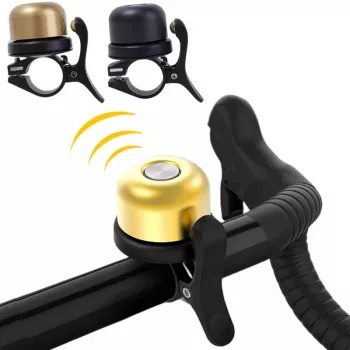
A bike bell that also conceals an Apple AirTag blends everyday safety with discreet location tracking. The bell looks and functions like a normal handlebar accessory while hiding the tracker in a spot thieves are less likely to check. This guide explains how the bell-and-tracker setup works, how to install it correctly, what to consider when choosing a model, and the real-world habits that improve recovery odds if your bike disappears.
This accessory solves two common needs with one clean cockpit addition: signaling and stealthy tracking.
Because it looks like a standard bell, it often blends in among lights, computers, and other handlebar gear. That “normal accessory” look can buy time compared with obvious tracker mounts that invite immediate tampering.
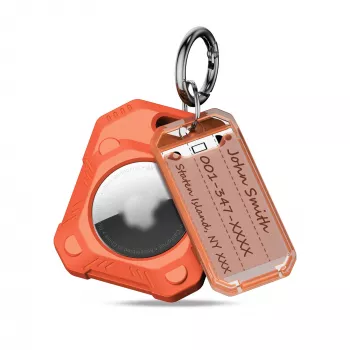
An AirTag does not have its own GPS chip or cellular plan. Instead, it broadcasts a secure Bluetooth signal that nearby Apple devices can detect and anonymously relay to the Find My network, updating the AirTag’s location in your Find My app. Apple provides overviews and usage details via Apple Support: About AirTag and Find My and the step-by-step guide to track an item with Find My.
Think of AirTag tracking as a crowd-assisted recovery signal. It can be extremely helpful after a theft, but it’s not the same as a dedicated GPS tracker that pings continuously over cellular.
A careful setup reduces false confidence and makes sure the bell still feels natural to use.
After the first ride, re-check tightness. New mounts can settle slightly once they’ve absorbed vibration and bar tape compression.
There’s no perfect location for every bike; each option trades concealment for convenience, battery access, and how easily the mount can be removed.
| Mount location | Concealment | Ease of removal for a thief | Battery access | Best for |
|---|---|---|---|---|
| Bell with hidden holder | High | Medium | Medium | Commuters and shared parking areas |
| Under-seat mount | Medium | Medium | Medium | Road and gravel bikes with minimal accessories |
| Bottle-cage mount | Low–Medium | High | Easy | Riders who prioritize quick access |
| Inside frame bag | Medium | Low–Medium | Easy | Touring and longer rides with gear |
A bell-based hiding spot is especially appealing because bells are common, small, and not usually the first thing someone checks during a quick grab-and-go theft. By contrast, bottle-cage mounts are practical but often obvious once someone scans the frame.
With no two bells designed exactly alike, focus on the details that determine whether you’ll actually use it every day—and whether it stays put.
If you ever find a tracker that isn’t yours (or you’re helping someone else), Apple’s guidance on safe handling is available at If you find an AirTag or other Find My item.
No. AirTag doesn’t have built-in GPS or cellular service; it relies on the Find My network and nearby Apple devices for location updates, so update frequency can vary widely by area.
It can help against quick searches because the tracker is disguised as a normal bell, but it’s not foolproof. Pair concealment with strong locks and secure hardware because a determined thief may still find and remove it.
Yes, in a well-designed bell the AirTag sits in a separate compartment and shouldn’t interfere with the striker. After installation, test the tone and make sure you can trigger it easily from your normal hand position.




Leave a comment