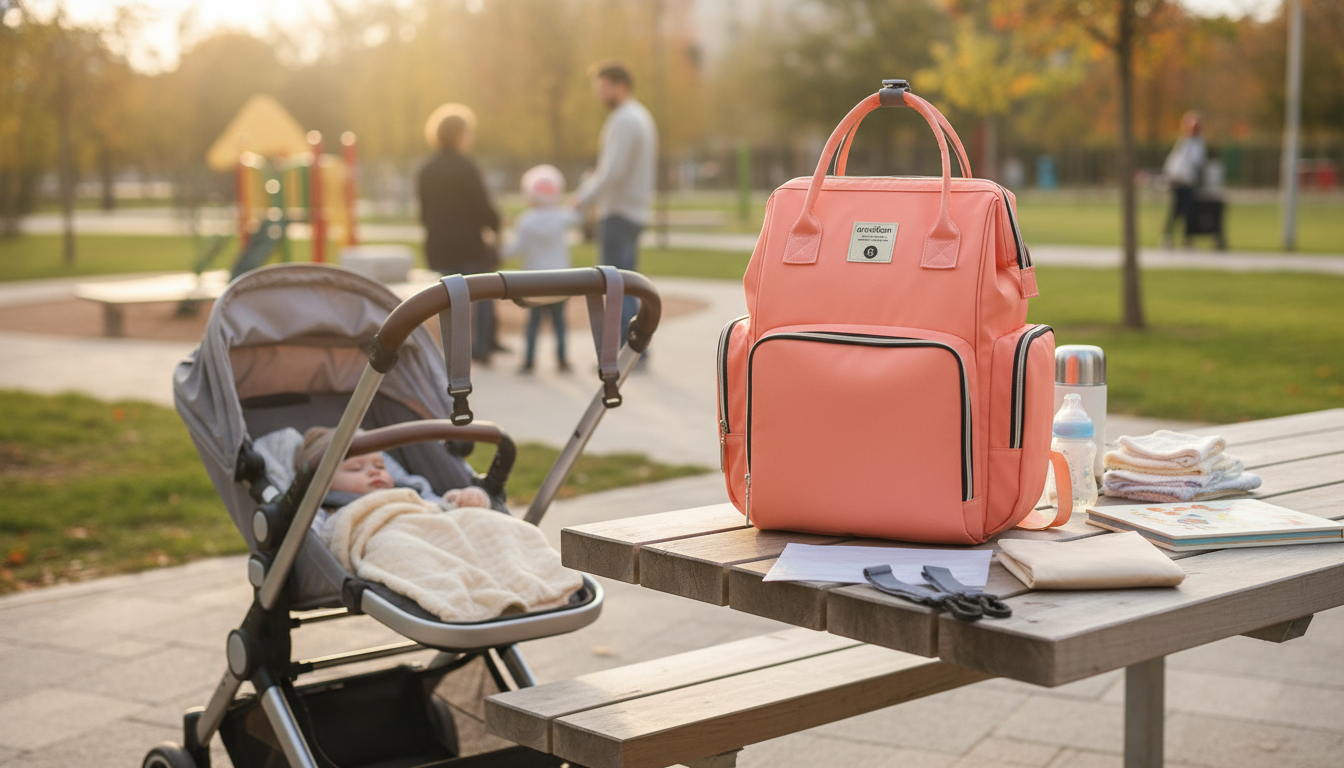
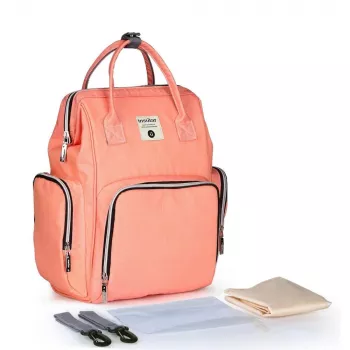
A roomy diaper bag backpack with stroller straps can simplify outings by keeping feeding, changing, and comfort items organized and easy to reach—whether walking, shopping, or traveling. The right layout helps prevent last-minute digging, supports quick diaper changes, and keeps weight balanced for longer wear.
A diaper backpack earns its keep when it supports the real rhythm of parenting: short errands, longer walks, quick changes in the car, and surprise spills. A backpack carry keeps your hands free for holding a baby, pushing a stroller, or juggling a car seat. Compared with a shoulder tote, the weight is distributed more evenly, which matters when you’re carrying diapers, wipes, and extra clothing.
Stroller straps add flexibility during longer walks by shifting load off your shoulders and keeping the bag accessible. A large main compartment makes it easier to pack bulky items like a change of clothes, swaddles, and a light blanket without cramming. Multiple pockets help separate clean from messy—keeping bottles away from wipes and creams can reduce cross-contamination and make cleanup less stressful.
Finally, easy-clean surfaces and wipeable linings are not a luxury; they’re a time-saver. Spills, leaks, and crushed snacks happen. A quick wipe-down and air-dry can keep the bag fresh between outings.
Stroller straps are most useful when they’re secure, adjustable, and easy to clip on and off. Look for sturdy clips and enough length to fit different handlebar shapes. To keep the bag from swinging, attach the straps evenly on both sides—an uneven hang can tug the handle and make the stroller feel off-balance.
It’s also important not to overload the handlebar. Heavy loads on the handle can increase tip risk, especially on curbs or uneven sidewalks. When possible, keep heavier items lower in the stroller basket and use the handle-hanging option for lighter gear. If you’re stopped on slopes, near curbs, or loading the stroller into a car, remove the bag from the handle to reduce tipping. For additional safety guidance, the U.S. Consumer Product Safety Commission provides stroller safety information at CPSC stroller safety.
In crowded areas (malls, airports, festivals), use the backpack straps as the primary carry method. Keeping the bag close to your body helps prevent bumping others and makes it harder for small items to fall out unnoticed.
A smart layout is what turns “large capacity” into actual convenience. A quick-access front pocket is ideal for wipes, diaper cream, and a small roll of trash bags—items you’ll want one-handed during a change. If the backpack includes an insulated section for bottles or snacks, it helps keep food items separated from clothing and textiles (and makes it easier to pull just the feeding supplies without disturbing the rest of the packing).
Side pockets are often the fastest-grab storage for a water bottle, sanitizer, or a compact umbrella. Inside the main compartment, smaller sections can hold diapers, a spare outfit, burp cloths, and a compact changing pad without becoming a single messy pile. A key leash or small zip pocket is useful for essentials you don’t want floating around—cards, pacifiers, hair ties, and lip balm.
| Item | Best pocket/placement | Why it helps |
|---|---|---|
| Diapers (6–10) | Main compartment in a pouch | Fast grab and easy counting |
| Wipes | Front quick-access pocket | One-hand access during changes |
| Diaper cream + small spatula | Small zip pocket | Prevents mess on other items |
| Change of clothes (1–2 sets) | Main compartment, folded in a wet/dry bag | Separates clean and soiled items |
| Wet/dry bag | Side or interior pocket | Contains odors and leaks |
| Bottles/snacks | Insulated or separate pocket | Helps keep food items apart |
| Changing pad | Back panel sleeve or flat area | Creates a stable changing surface |
| Hand sanitizer + tissues | Side pocket | Quick hygiene access |
| Phone/keys/wallet | Rear zip pocket | More secure while wearing |
A simple spot-clean routine keeps the bag usable longer: empty crumbs, wipe pockets, and let everything air-dry fully to prevent odors. For hygiene basics on the go, it helps to follow the CDC’s guidance on when and how to wash hands after diapering and before feeding.
Day-trip families benefit from the extra room for layers, small toys, and feeding supplies, while travelers often prefer a single bag that can function as a personal item plus baby-essentials storage. Anyone who values an organized layout—especially for quick diaper changes—will appreciate pockets designed to reduce time spent searching. If skin irritation is a concern, it can also help to keep diapering items tidy and easy to access; the American Academy of Pediatrics offers practical diaper rash guidance at HealthyChildren.org.
It depends on the brand’s sizing and your baby’s shape. Many newborn diapers fit up to around 10 pounds, but check the weight range on the box and watch for leg/waist gaps or red marks; frequent leaks or tightness are signs it may be time to size up.
A typical range is roughly 5,000–7,000 diapers over about 2–3 years, with newborns using the most per day. The total varies based on potty-training timing, daycare routines, and whether overnight diapers are used longer.




Leave a comment