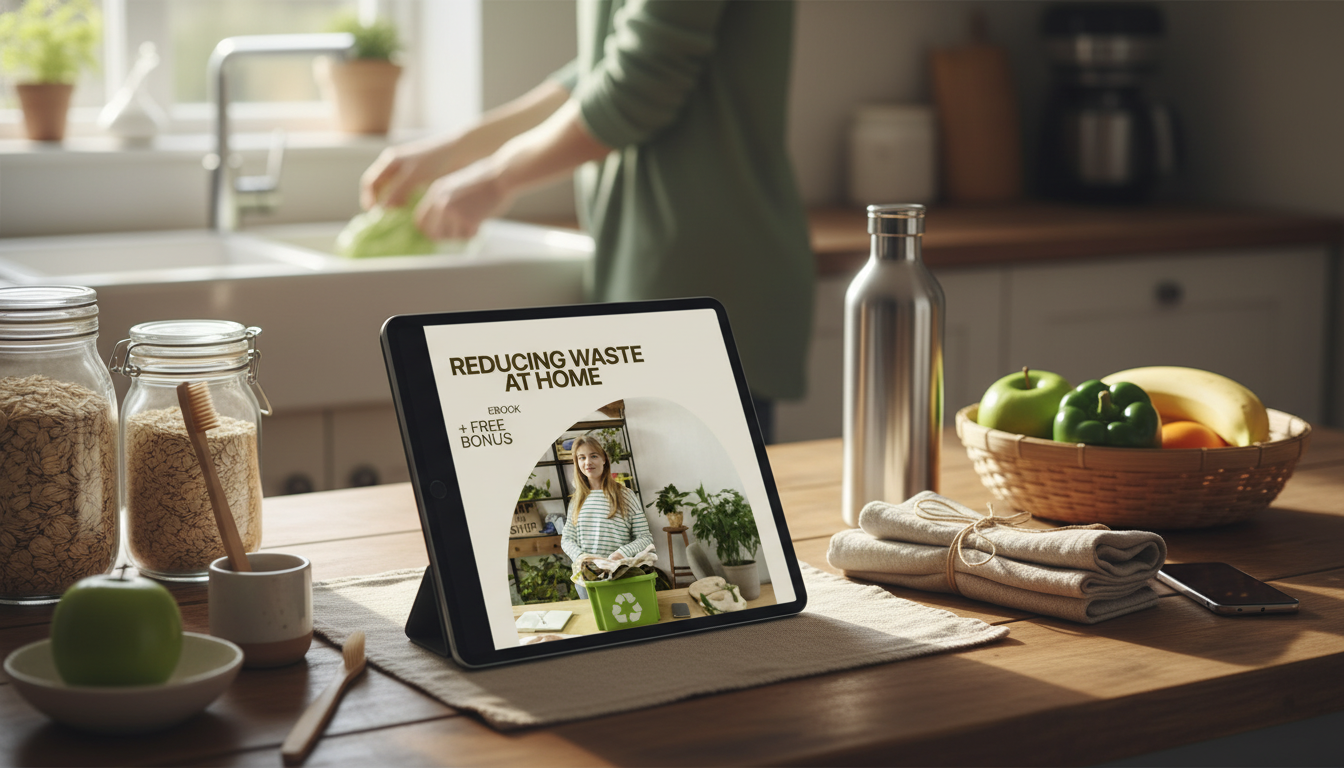
Reducing household waste starts with a few repeatable habits: buying less, using what is already on hand, choosing reusables, and setting up simple systems for food, packaging, and discards. The goal is steady progress that fits real schedules, budgets, and living spaces—while keeping the home cleaner, calmer, and easier to manage.
Reducing waste is the practice of preventing trash from being created in the first place, then reusing and recycling what remains. A low-waste home focuses on fewer single-use items, less overbuying, and better use of food and household goods.
Waste reduction includes physical trash, food waste, and “hidden waste” like unused purchases and wasted energy or water. Small changes compound: switching just a few daily items (bags, bottles, paper towels) can noticeably lower weekly trash volume.
| Priority | Best action | Common home examples |
|---|---|---|
| 1 | Refuse | Decline freebies, single-use cutlery, extra packaging, unwanted mail |
| 2 | Reduce | Buy only what will be used, choose concentrates, avoid duplicates |
| 3 | Reuse | Refill bottles, repair items, repurpose jars, use cloth towels |
| 4 | Recycle | Sort accepted materials correctly, keep recyclables clean and dry |
| 5 | Compost (when possible) | Compost food scraps and yard waste to reduce landfill methane |
Fast wins come from removing friction. Set up a small “reusables station” near the exit: tote bags, a water bottle, a travel mug, and a small container for leftovers. When these items live by the door, they’re far more likely to leave the house with you.
Swap one disposable category at a time. Paper towels to cloths is a classic because it reduces both waste and store runs. Plastic wrap is another easy target—use containers, a plate as a cover, or a reusable wrap. In laundry, skip dryer sheets and switch to wool dryer balls.
For bathroom counters, bar soap or refillable hand soap steadily reduces plastic bottles without adding steps. Also, unsubscribe from paper catalogs and opt out of junk mail where available; it’s a low-effort way to shrink the “paper pile” that quickly turns into trash.
Finally, keep a donation box accessible. A visible, always-ready spot prevents “maybe later” clutter from becoming landfill waste during rushed cleanouts.
For many households, the kitchen is where the most waste (and money) leaks out. Start with a flexible plan: choose 3–5 meals for the week that share ingredients, then shop from a list. This reduces forgotten produce and half-used specialty items.
Create an “eat-first” bin in the fridge and place it at eye level. Put items nearing expiration there—leftover rice, a half carton of berries, open hummus—so they don’t disappear behind taller containers.
Freeze extras with intention. Label containers with the item name and date, and portion soups, sauces, and cooked grains into meal-sized amounts. This turns “too much” into fast weekday food instead of a mystery container that gets tossed later.
Produce storage matters more than most people expect. Keep greens in a breathable container with a paper towel to manage moisture, treat herbs like flowers in a jar of water, and separate ethylene producers (like apples) from sensitive produce when needed.
Turn scraps into value: save vegetable ends for stock, revive stale bread as croutons, and use citrus peels to infuse vinegar for a simple cleaner. If composting is available, collect scraps in a lidded container to reduce odor and fruit flies. For broader guidance on food waste, the UNEP Food Waste Index highlights how common household food loss is—and why prevention is the best first step.
Low-waste bathroom changes work best when they don’t complicate mornings. Replace single-use wipes with washable cloths and keep a small laundry bin nearby so they don’t end up in a “later” pile. For frequently purchased items, refill packs, concentrates, or powders can cut packaging and shipping weight, especially for soap and cleaning staples.
In laundry, reduce microfiber shedding from synthetics by running full loads, choosing gentler cycles, and using microfiber-catching strategies like filters or wash bags. These steps won’t be perfect, but they lower the amount of tiny fibers leaving the home through wastewater.
Avoid “just-in-case” bulk buying that leads to expired products. A simple rule helps: check what’s already open before purchasing a backup. Over time, prioritizing durable basics—like refillable cases and sturdy storage—reduces both waste and clutter.
If compost service is unavailable, look for community drop-offs or start small with countertop scrap collection until a solution is found. For U.S. basics on handling materials and reducing waste upstream, the EPA’s Reduce, Reuse, Recycle resources are a reliable reference.
Reducing waste means preventing trash at the source by refusing and reducing what you bring home, then reusing items as long as possible, recycling correctly, and composting when available. The practical outcome is sending less material to landfills or incinerators.
Examples include meal planning to prevent food spoilage, keeping a reusable bottle and bags ready by the door, switching from paper towels to washable cloths, opting out of junk mail, repairing items instead of replacing them, and using reusables for shopping and takeout.
Common alternatives include “cut waste,” “minimize waste,” “prevent waste,” “reduce trash,” or “lower household waste.” “Prevent waste” emphasizes stopping it before it’s created, while “reduce trash” focuses on what ends up in the bin.






Leave a comment