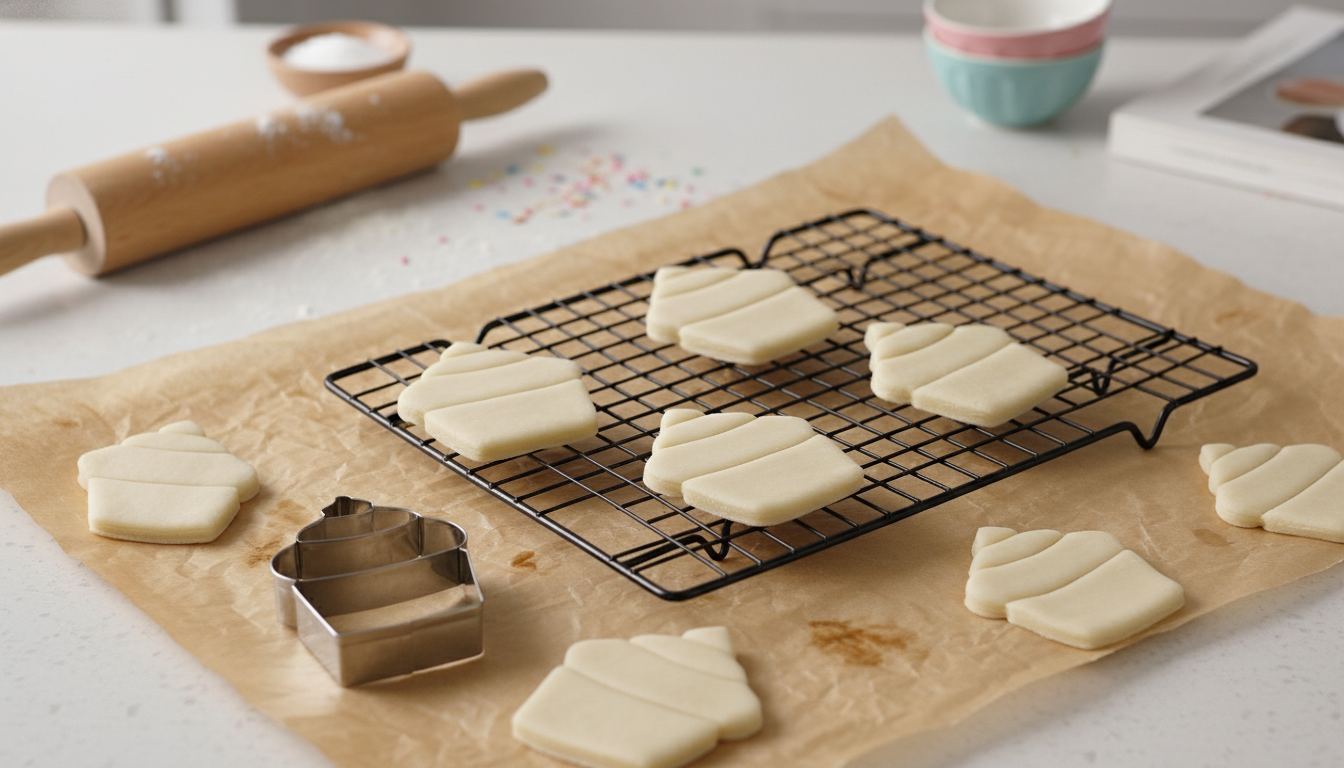
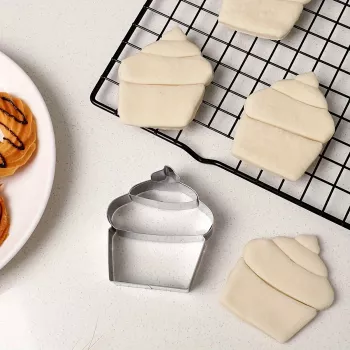
A stainless steel mold set can turn everyday dough, brownie bars, fruit slices, and ice cream into clean, festive shapes with crisp edges and consistent sizing. Whether you’re building holiday cookie boxes, prepping a themed dessert tray, or assembling neat ice cream sandwiches that look store-bought, the right cutter makes the work faster and the results more polished. Below is a practical guide to what this type of set excels at, how to use it for both baked and frozen treats, and how to keep the edges cutting cleanly batch after batch. For more guidance, see [PDF] STUDY GUIDE: HOUSEWARES.
Uniform sizing is the quiet upgrade that makes a tray look intentional: cookies bake more evenly, bar portions stack neatly, and ice cream sandwiches line up cleanly when top and bottom layers match. For further reading, see 12 Pieces Christmas Cookie Cutters Set, Stainless Steel Holiday ….
For food-contact materials and best practices, it helps to stick with established guidance and standards. The U.S. Food & Drug Administration’s overview of food contact substances provides helpful context on what’s considered appropriate for food contact, and NSF resources outline how food equipment standards and certification work in commercial settings.
| Material | Edge definition | Durability | Best use |
|---|---|---|---|
| Stainless steel | Crisp, consistent | High | Cookies, bars, layered desserts |
| Plastic | Moderate | Medium | Occasional baking, simple shapes |
| Silicone | Soft/less crisp | Medium | Gentle pressing, flexible handling |
If you care most about sharp corners, defined cutouts, and repeatable shapes across multiple trays, rigid cutters generally maintain definition better than flexible materials. For more background on stainless steel as a material, the American Iron and Steel Institute provides a clear overview of how stainless steel is designed to resist corrosion and hold up in everyday use.
One small workflow tweak makes a big difference: cut on a cool surface (a chilled baking mat or a sheet of parchment on a metal pan). The dough stays colder longer, which helps detailed shapes keep their edges and reduces distortion when you lift pieces to the baking sheet.
For the cleanest results, think in layers: chilled slab, quick cut, fast assembly, then back to the freezer. If the slab warms up, edges can crumble or drag. If the cutter gets wet from condensation, it can smear soft surfaces, so keep a towel nearby and wipe the metal dry between batches.
Yes. Rigid stainless steel cutters help create clean, defined edges, especially when you cut chilled dough, and they tend to stay true to shape across repeated batches.
Stainless steel is widely used for food-contact cookware and bakeware. For peace of mind, choose food-grade stainless steel, clean it normally, and replace items that are deeply scratched or damaged.
Often, yes, but results depend on the pan’s thickness and how it conducts heat. Lining with parchment and watching for browning helps you dial in time and temperature.





Leave a comment