HomeBlogBlogStainless Steel Pruning Shears: Choose, Use, Maintain

Stainless Steel Pruning Shears: Choose, Use, Maintain

Stainless Steel Pruning Shears: Choose, Use, Maintain

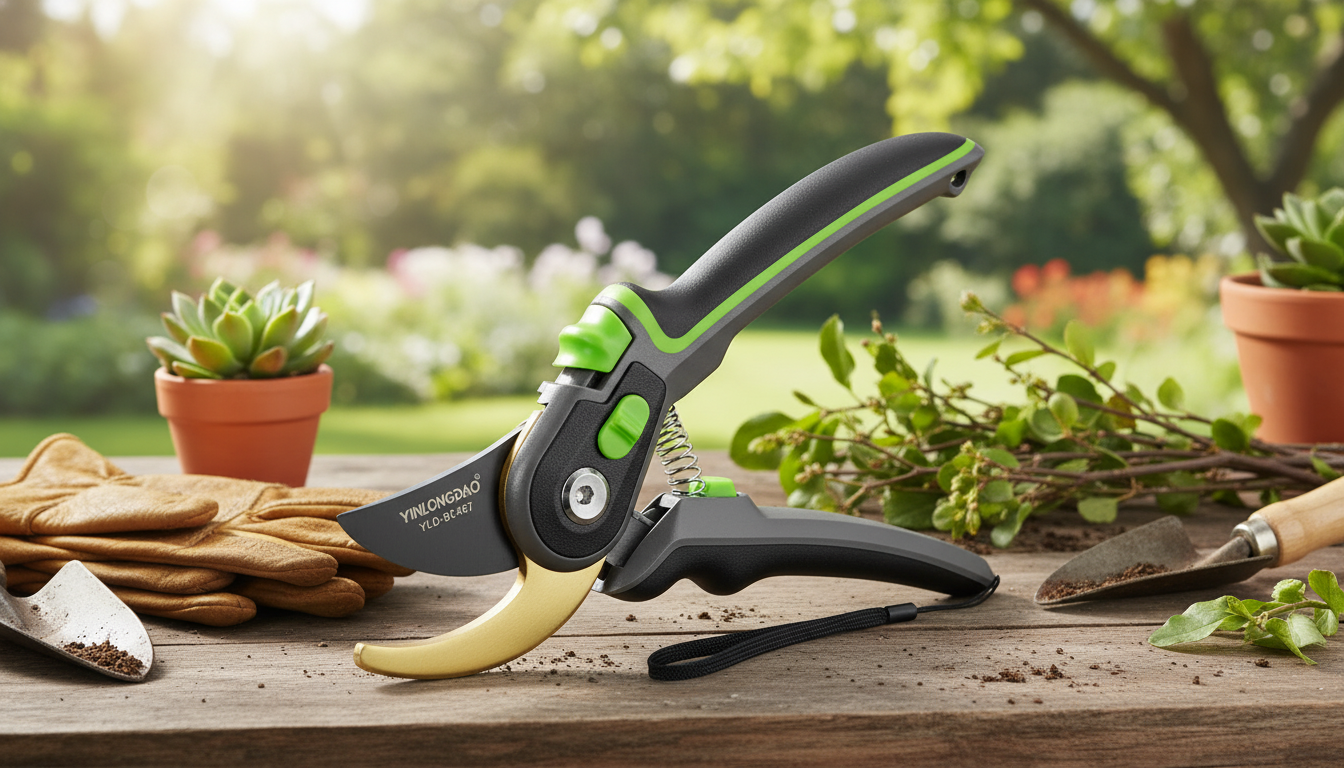
Stainless steel garden pruning shears are built for precise, plant-friendly cuts while standing up to moisture, sap, and frequent cleaning. The right pair should feel secure in the hand, slice smoothly without crushing stems, and stay easy to maintain across a season of pruning, deadheading, and harvesting.

What Stainless Steel Pruning Shears Are Best At

For day-to-day garden work, stainless steel pruning shears shine when reliability and easy cleanup matter as much as sharpness. They’re a practical choice for gardeners who prune in damp mornings, rinse tools often, or sanitize between plants.

  • Making clean, controlled cuts on small stems and branches, reducing tearing and bruising
  • Handling damp garden conditions with less risk of rust compared with many carbon-steel tools
  • Frequent wipe-downs and sanitation between plants (useful for disease prevention)
  • Everyday tasks: deadheading flowers, trimming herbs, harvesting produce, light shaping of shrubs

Clean cuts support faster healing and reduce entry points for pests and pathogens. For plant-specific pruning timing and technique, consult guidance from the Royal Horticultural Society (RHS) or the University of Minnesota Extension.

Key Features That Matter Most

Stainless steel is a material advantage, but real performance comes from design details that keep the blades aligned, sharp, and comfortable to use for hundreds of cuts.

  • Blade design: Bypass blades are preferred for live growth; anvil styles can be better for dry or dead wood but may crush soft green stems.
  • Blade quality: Corrosion resistance helps, yet a sharp, well-ground edge and solid heat treatment matter more than a mirror finish.
  • Lock and safety: A reliable one-hand lock prevents accidental opening in pockets, aprons, or tool belts.
  • Spring action: Smooth spring return reduces hand fatigue during repetitive snips.
  • Grip and ergonomics: Non-slip handles and a shape that matches hand size improve control and comfort.
  • Sap management: A blade coating or easy-clean surface helps when cutting resinous plants like evergreens, roses, or sticky ornamentals.

If the pivot loosens or the blades flex under pressure, even premium steel can produce ragged cuts. A stable joint and tight blade alignment are often the difference between “sharp enough” and truly clean pruning.

Hedge Shears vs. Pruning Shears: When to Use Each

Both tools are “garden shears,” but they’re designed for different jobs. Pruning shears are for precision at the stem; hedge shears are for speed across many small shoots.

  • Pruning shears are for precision cuts on individual stems and small branches; hedge shears are for shaping many small twigs and leaves at once.
  • Pruning shears work close to the stem collar for healthier pruning; hedge shears are less precise and can leave more torn foliage on woody plants.
  • For shrubs and hedges: use pruning shears to remove thick or structural stems first, then finish with hedge shears if shaping is needed.
Quick Tool Comparison

Tool Best for Typical cut size Cut quality
Bypass pruning shears Live stems, flowers, softwood shrubs Small branches and stems Very clean when sharp
Anvil pruning shears Dead/dry stems, tougher cleanup work Small branches and stems Can compress green stems
Hedge shears Shaping hedges and soft new growth Thin twigs and leaves Less precise; can tear if dull

How to Choose the Right Pair

Choosing pruning shears is mostly about matching the blade style and ergonomics to the work already happening in the yard.

  • Match the blade type to the work: Bypass suits most garden pruning; consider anvil only if deadwood cleanup is common.
  • Check hand fit: The handle span should allow a full squeeze without straining; smaller hands often benefit from compact models.
  • Look for a stable pivot and minimal wobble: Play in the joint can lead to ragged cuts and faster edge wear.
  • Prioritize an easy-to-use lock: It should engage positively and not pinch fingers.
  • Consider maintenance needs: Accessible pivot screws and replaceable parts can extend tool life.
  • Aim for practical cutting capacity: Forcing thick branches can damage both plant tissue and blades; use loppers for larger wood.

A quick test before buying: open and close the shears a few times. The motion should feel smooth (not gritty), the blades should meet cleanly at the tip, and the lock should be easy to operate with the same hand that’s holding the tool.

Using Pruning Shears for Cleaner, Healthier Cuts

Even excellent shears won’t help plants if cuts are placed poorly or made with a twisting motion. Focus on accuracy and control.

  • Cut at the right spot: For shrubs and woody plants, prune just outside the branch collar; for flowers, cut above a node where appropriate.
  • Use a smooth, single motion: Avoid twisting, which can crush stems and slow healing.
  • Support the stem: Stabilize the piece being cut to prevent bark tearing on larger stems.
  • Work in good light: Precision improves when the cut location is clearly visible.
  • Switch tools when needed: For branches beyond your shears’ capacity, use loppers or a pruning saw.

When pruning woody plants, positioning matters: align bypass blades so the sharp cutting blade is on the “keep” side of the cut (the part staying on the plant). This helps reduce crushing at the finished surface.

Cleaning, Disinfecting, and Sharpening Stainless Steel Blades

For safe handling and general disinfecting best practices, refer to the CDC’s cleaning and disinfecting guidance and always follow product labels—especially around contact time and ventilation.

Common Mistakes to Avoid

FAQ

Are stainless steel scissors better?

Stainless steel typically resists corrosion and is easier to clean, which is helpful for garden use. Cutting performance still depends heavily on blade geometry, sharpness, heat treatment, and a stable pivot; some high-carbon steels can hold an edge longer but need more rust prevention.

What is the difference between hedge shears and pruning shears?

Pruning shears are designed for precise cuts on individual stems and small branches (often bypass for live growth). Hedge shears have long blades meant to trim and shape many small shoots at once, which is faster but less precise on woody plants.

Was this article helpful?

Yes No
Leave a comment
Top

Yay! 10% Off Just for You!

Join our community and enjoy 10% off your first order. Subscribe for exclusive deals!

Shopping cart

×