
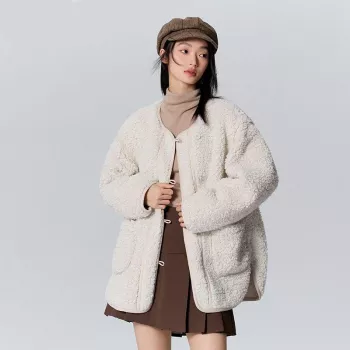
A mid-length plush jacket balances cozy insulation with an easy, flattering silhouette—long enough to add coverage, short enough to move freely. The soft pile texture delivers that “wrapped-in-comfort” feeling, while the mid-thigh range helps reduce drafts around the hips compared with cropped layers. Below is a practical guide to choosing the right length, comparing warmth details that matter, and styling a plush outer layer so it looks intentional (not bulky) all season. For more guidance, see Womens Jacket Teddy Fur Coat H&m Women’s Dark Brown Teddy ….
Plush jackets stand out because the raised pile traps warm air close to the body, creating a cozy feel without needing the weight of heavy fabrics. Mid-length designs add coverage where chill often sneaks in—around the hips and upper thighs—while staying mobile for daily wear. The texture reads casual by nature, but clean seams, minimal hardware, and neutral colors can look polished enough for errands, travel days, and casual office environments.
Plush is typically best for dry-to-cool conditions. In wetter climates or slushy winters, prioritize a jacket with a water-resistant shell, or plan to layer a rain layer over your plush piece. For more context on how insulation and fabric choices affect warmth, REI’s overview of insulation is a helpful baseline: Down and Synthetic Insulation in Outdoor Clothing.
Hem placement is the quiet hero of a flattering mid-length jacket. A hem that lands at a narrower part of the thigh often creates a cleaner visual line than one that cuts across the widest point of the hips or upper thigh. Beyond length, subtle shaping (like a defined waist, vertical seams, or a structured collar) can make plush look streamlined rather than boxy.
| Body proportion | Hem sweet spot | Details that help |
|---|---|---|
| Petite | Upper thigh | Slight taper, higher collar, minimal bulk at pockets |
| Average height | Mid thigh | Balanced volume, clean front, adjustable cuffs |
| Tall | Lower thigh | Longer lines, structured shoulders, deeper side slits if needed |
| Curvy/hip-forward | Mid to lower thigh | Vertical seams, roomy hip area, two-way closure if available |
Not all plush jackets perform the same. Two jackets can feel equally soft on a hanger but differ dramatically once wind, layering, and real temperatures enter the picture.
If you’re browsing online and want to avoid returns, focus on a few spec-and-design checkpoints that translate well across brands:
The easiest way to style plush is to keep the rest of the outfit clean and proportion-aware. Let the jacket provide the texture, then balance it with streamlined basics.
Plush looks best when the pile stays lifted. The biggest risks are heat, heavy agitation, and long-term compression. For more detailed laundering best practices, Wirecutter’s outerwear care guide offers useful general principles: How to Wash and Care for Outerwear.
The most flattering hem usually avoids cutting across the widest part of the hips or thighs. Many petites do well with an upper-to-mid thigh length, average heights often suit mid thigh, and tall frames can carry a lower-thigh mid-length—especially with waist shaping or vertical seams for a longer line.
Warmth depends on insulation plus wind and water protection, but insulated parkas (down or high-loft synthetic) are typically the warmest for cold, windy conditions. Plush jackets feel very cozy, yet they often perform best with smart layering or an added wind-resistant shell when weather turns harsh.



Leave a comment