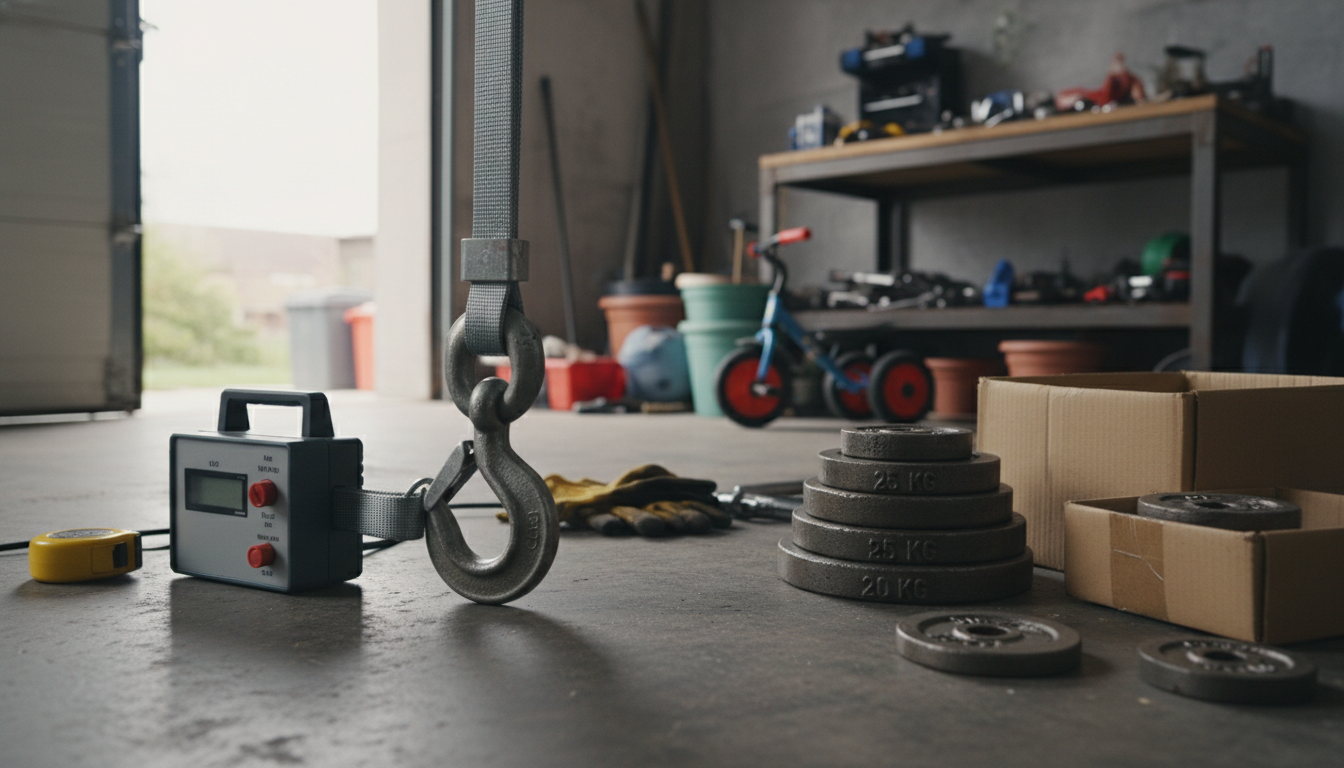
A metal strap’s capacity depends far less on the word “metal” and far more on the exact strap type, dimensions, and hardware. In most real-world uses, the weight a metal strap can safely hold is based on its working load (a reduced value that includes a safety factor), not its maximum “break strength.”
As a broad reference, common steel banding used for bundling and securing loads can range from roughly hundreds of pounds to several thousand pounds of break strength. For example, lighter steel strapping (narrower/thinner) may break around 600–1,200 lb, while heavier-duty sizes can exceed 3,000 lb+. However, the safe working load is often only 20%–33% of the break strength (depending on the manufacturer and application), meaning a 3,000 lb break rating might be treated as 600–1,000 lb for actual use.
Even if the strap itself is strong, the system can fail at weaker points. Common limiting factors include:
1) Strap width and thickness: Wider/thicker straps generally hold more because they have more cross-sectional area.
2) Material and grade: Stainless, galvanized, and high-tensile steel behave differently, especially under shock loads and in corrosive environments.
3) Seal, buckle, or fastener strength: Clips, crimp seals, buckles, and screws often determine the real limit. A strong strap with a weak buckle won’t hold much.
4) Installation quality: Under-tensioning, over-tensioning, poor crimping, or misaligned hardware can dramatically reduce capacity.
5) Load type: Static hanging weight is different from shifting cargo, vibration, wind, or repeated cycling, which can require much higher safety margins.
Start with the heaviest expected load and apply a conservative safety factor, especially for overhead, moving, or critical applications. For more detailed guidance and examples, see the full breakdown here: https://splendona.com/how-much-weight-can-a-metal-strap-hold/.
Corrosion, sharp bends, abrasion, improper tensioning, and weak or mismatched buckles/seals can all reduce working load. Dynamic forces like vibration or sudden impacts also lower the safe amount a strap should be asked to hold.





Leave a comment