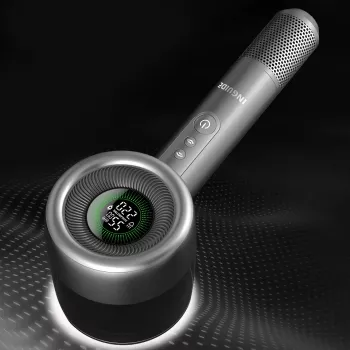
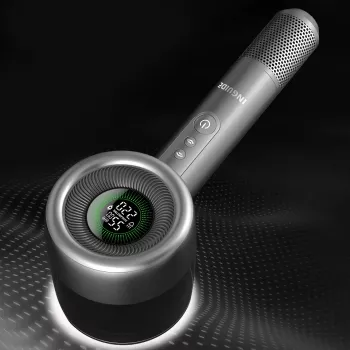
An electric lint shaver (also called a fabric shaver) quickly removes pills, fuzz, and lint from sweaters, coats, upholstery, and more. The best results come from using the right speed, keeping the fabric flat, and cleaning the shaver as you go.
Start with a clean, dry garment. Lay it on a firm, flat surface and gently stretch the area so the knit is smooth. Make sure the lint shaver is charged (or has fresh batteries) and that the blade cover/guard is properly locked in place.
If your shaver has multiple speeds, begin on a lower speed for delicate knits (cashmere, fine wool) and move up for thicker fabrics (hoodies, coats). If your model includes an LED light or display, turn it on to better spot pills and track speed or battery level.
Hold the shaver flush against the fabric—don’t tilt it. Use gentle pressure and glide in short strokes, overlapping passes slightly. Let the blades do the work; pressing hard can snag threads or stress the motor. For seams, collars, or raised stitching, slow down and skim the area carefully.
Stop when the lint bin is about half full and empty it. A packed container reduces suction/collection and can leave fuzz behind. After emptying, brush the screen and cutter area (with the included brush, if provided) to keep performance consistent.
Turn the device off, clean the shaving head, and store it with the protective cap on. For more detailed tips—especially for models with 5 speeds, LED lighting, and an LCD display—follow the full guide here: https://splendona.com/guide-4000mah-electric-lint-remover-led-lcd-5-speed-guide/.
Yes—use the lowest speed, keep the fabric tightly flat, and make very light passes. Test a small, hidden area first, and avoid hovering over one spot to reduce the chance of thinning the fibers.




Leave a comment