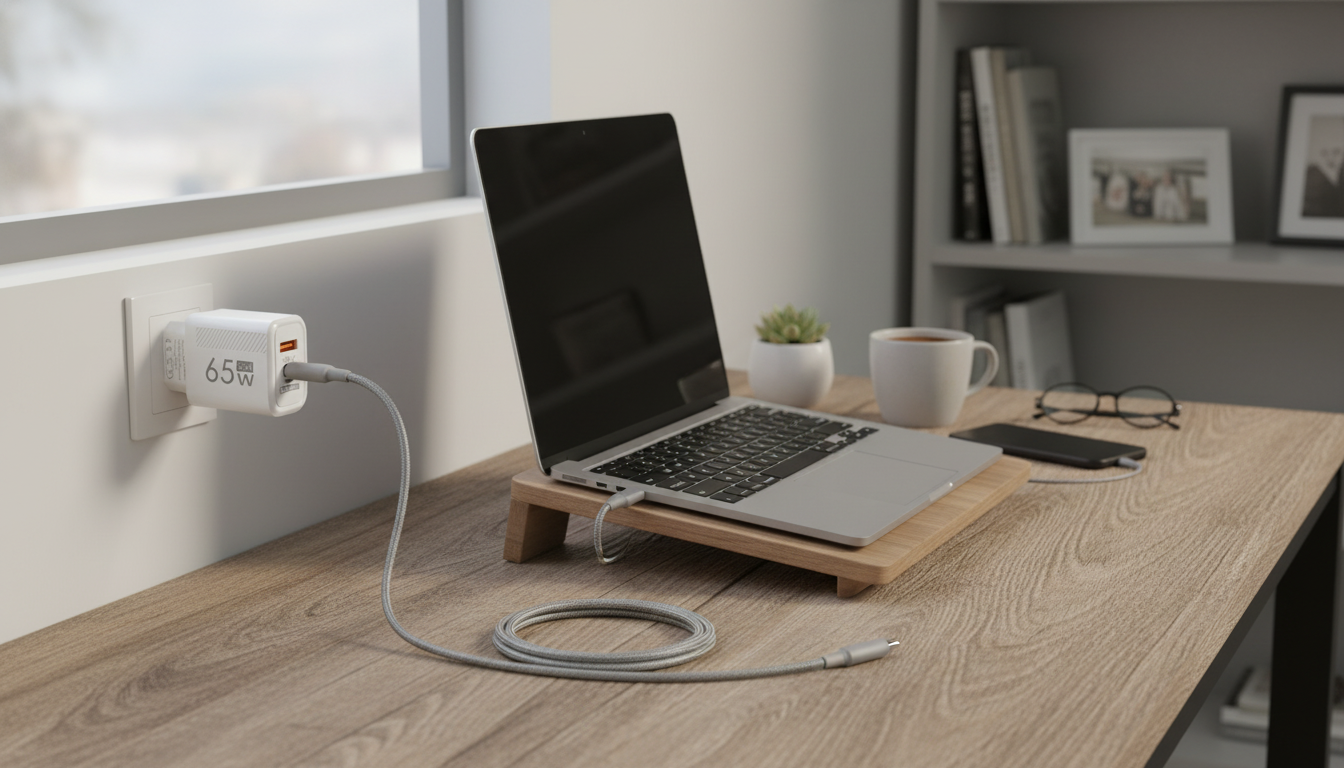
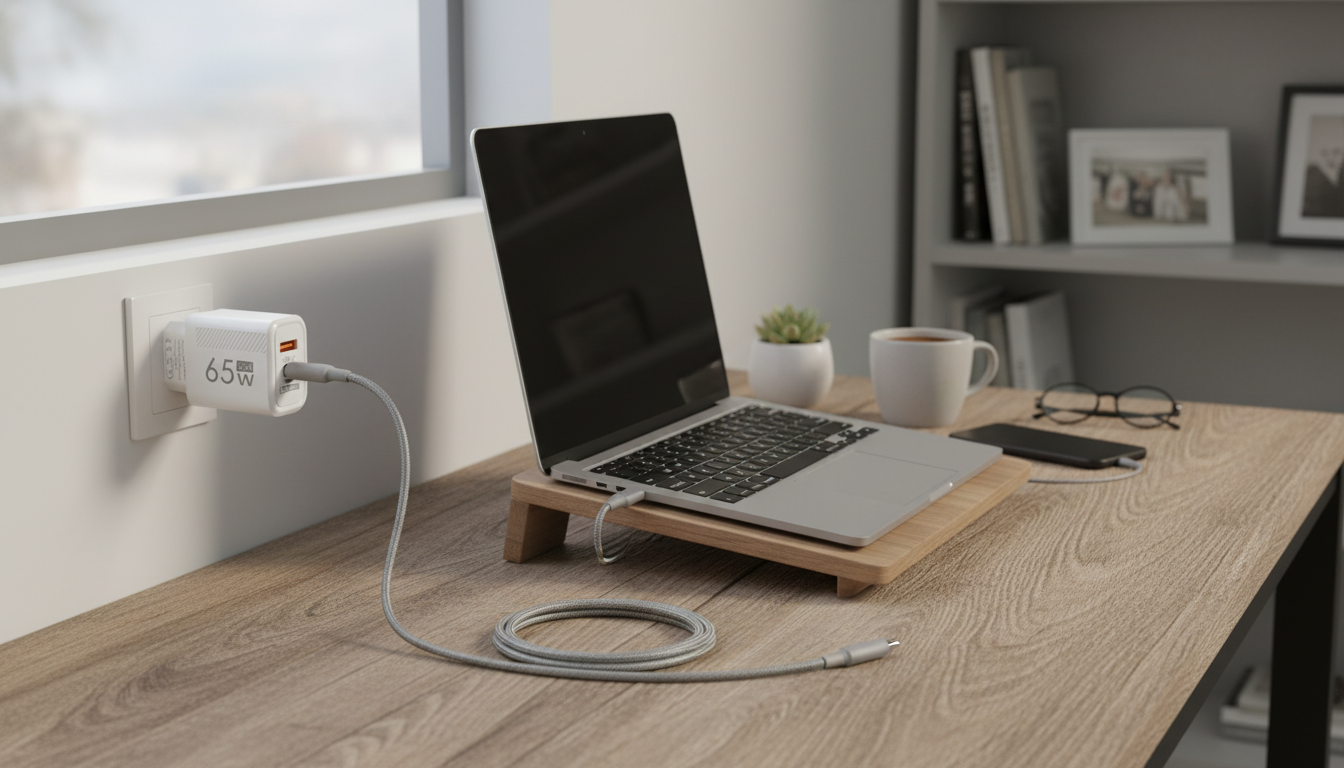
Neither wattage is universally “better”—the better choice is the one that matches how you charge and what devices you carry. A 45W USB-C charger is often the sweet spot for phones, tablets, handheld consoles, and many lightweight laptops. A 65W charger gives you more headroom for faster laptop charging, heavier multitasking while plugged in, and for charging multiple devices from a single adapter without slowing down as much.
If your daily lineup is a phone plus earbuds or a tablet, 45W typically has plenty of power, and many devices won’t draw more than they’re designed to take anyway. You’ll still get fast charging as long as the charger supports USB-C Power Delivery (PD) and you use a quality USB-C cable.
45W models are commonly smaller and run cooler under lighter loads, making them easy to toss in a pocket or a small tech pouch. For commuting, flights, and coffee-shop charging, 45W is a clean, minimal option.
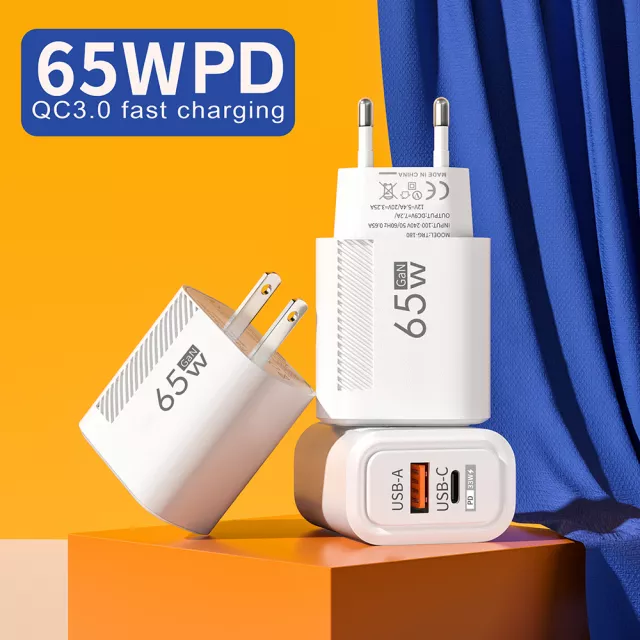
Many modern laptops charge best at 60–65W over USB-C PD. A 65W charger is also a strong “one-and-done” option when you want a single brick that can handle your laptop and still top off a phone quickly.
If you use a multi-port wall charger, total wattage matters. With 65W available, there’s more power to share across ports, so your phone doesn’t crawl when you plug in a tablet or laptop at the same time.
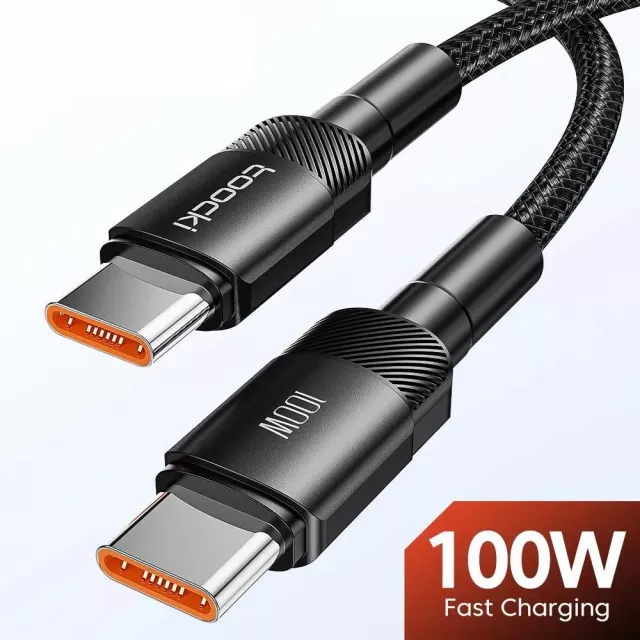
Start with your most power-hungry device: if it’s a laptop that requests around 60–65W, go 65W. If your biggest device is a tablet or a compact laptop that accepts 45W, 45W is usually enough. Also match the charger to the cable: to reliably reach 60–65W, use a USB-C cable rated for 60W or 100W.
Our team put together a deeper walkthrough of 65W GaN options, charging speeds, and what features matter most here: 65W GaN USB-C wall charger quick-charge guide.
No—when you use a reputable USB-C PD charger, your phone only pulls the power it’s designed to accept. A higher watt rating mainly means the charger has more capacity available if your device can use it.





Leave a comment