
An aroma diffuser can be good for your lungs in certain situations, but it depends on what you’re diffusing, how strong it is, and how sensitive your airways are. If you use it gently and keep the room well-ventilated, many people find diffusion more comfortable than candles or incense because there’s no flame, soot, or smoke.
If the air in your home feels dry, a small humidifier-style diffuser can add light moisture that may reduce throat irritation and make breathing feel easier, especially during winter or in air-conditioned spaces. Mild, clean scents can also encourage slower breathing and relaxation, which can feel “lung friendly” even though it’s more about comfort than treatment.
Diffusers can bother the lungs when the aroma is too concentrated or when certain essential oils trigger irritation. Strong diffusion can cause coughing, throat scratchiness, headaches, or tightness in the chest in sensitive people. This is more likely in small rooms, with long run times, or when using oils known to be more pungent.
Start with the lowest intensity and run it for short intervals (for example, 15–30 minutes) rather than all day. Use only a few drops of essential oil, keep the diffuser away from your face while sleeping, and open a door or window occasionally to refresh the air. If anyone in the home has asthma, allergies, COPD, or is recovering from a respiratory infection, pause use and consult a clinician if symptoms flare.
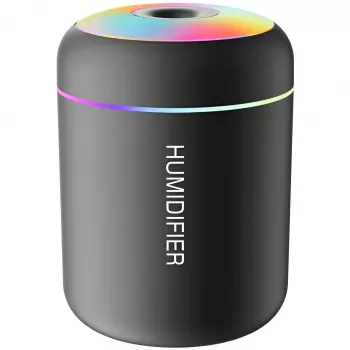
Ultrasonic models often combine a fine mist with fragrance, while passive diffusers rely on evaporation and usually produce a subtler effect. If you’re considering a compact unit for a desk or bedside, see this helpful overview: mini USB aroma humidifier oil diffuser guide.
Many people tolerate gentle options like lavender or chamomile better than sharp, mentholated oils, but reactions vary widely. Use minimal drops, diffuse briefly, and stop immediately if you notice coughing, wheezing, or throat irritation.




Leave a comment