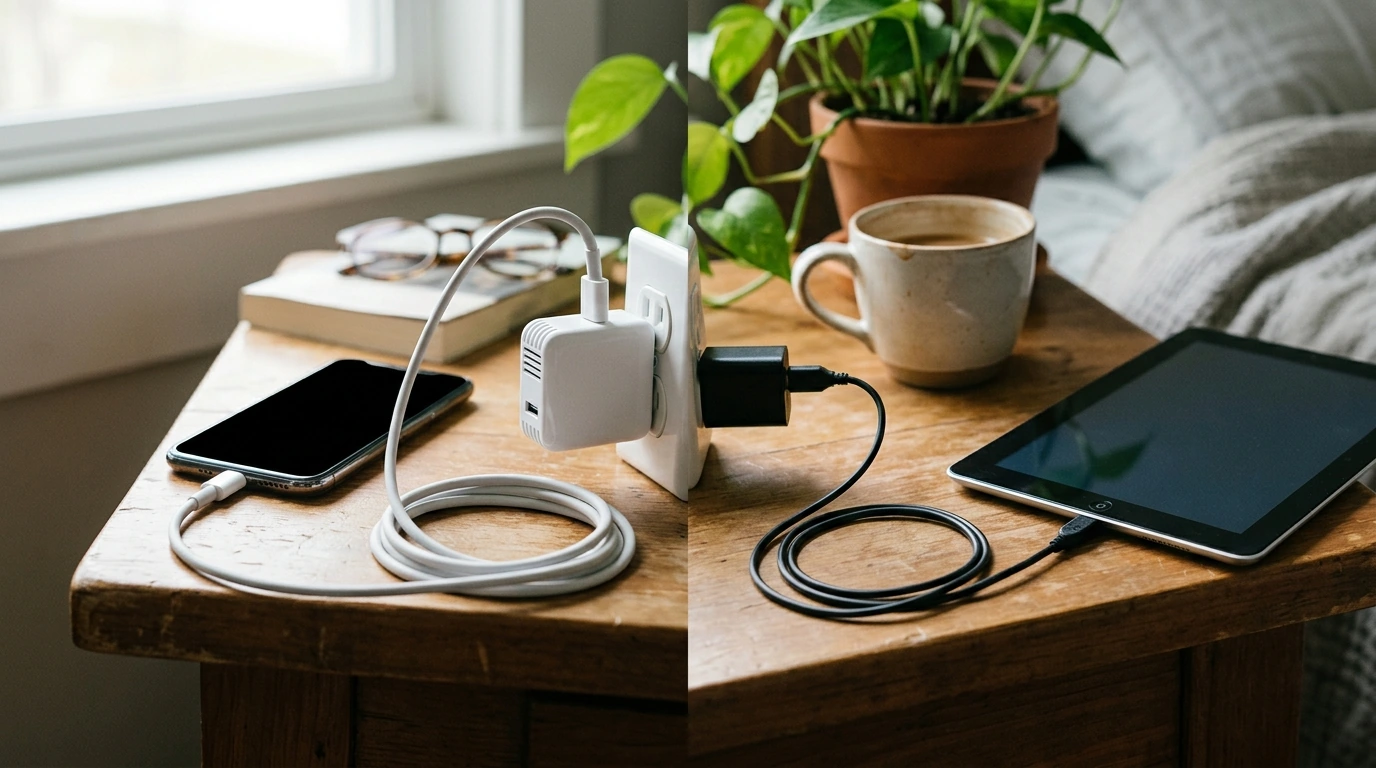
Neither is universally “better”—the best choice depends on your timeline, your device, and how warm your battery gets while charging. Our team generally recommends fast charging when you need quick top-ups and slow charging when you have plenty of time, because heat and time at high battery levels are the main factors that influence long-term battery wear.
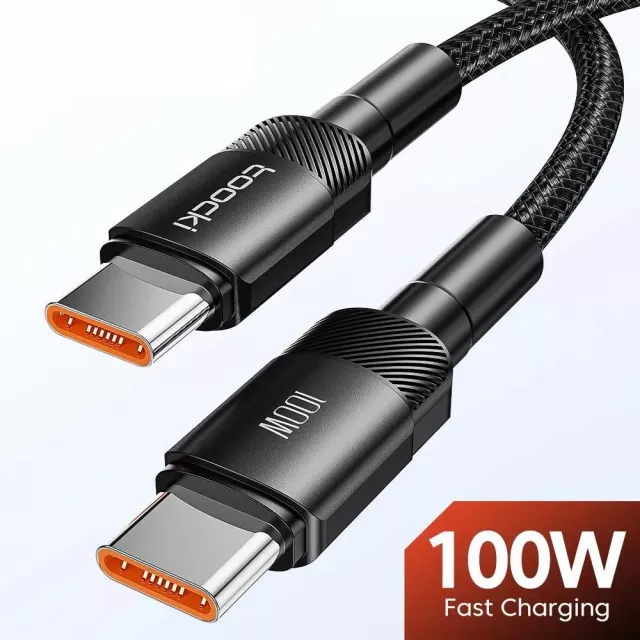
Fast charging is ideal for short sessions: grabbing 20–60% before you head out, topping up between meetings, or powering a tablet/laptop enough to keep working. Modern phones and USB-C devices are designed to negotiate safe power levels, and they typically slow down automatically as the battery fills. Pairing a quality USB-C PD or Quick Charge adapter with a good cable helps ensure charging stays stable and efficient.
Slow charging is a great default when speed doesn’t matter—like charging at your desk for a few hours. Lower power usually means less heat, which can be gentler on the battery over time. If your device tends to warm up while charging (especially in a case), dropping to a lower-watt charger or a standard USB port can reduce temperature and stress.
If fast charging makes your phone noticeably hot, slow down. Heat is the biggest reason to choose a lower wattage option. Also, sitting at 100% for long stretches can add wear, so if you routinely charge overnight, features like optimized charging or charging limits (when available) can help more than obsessing over fast vs. slow.
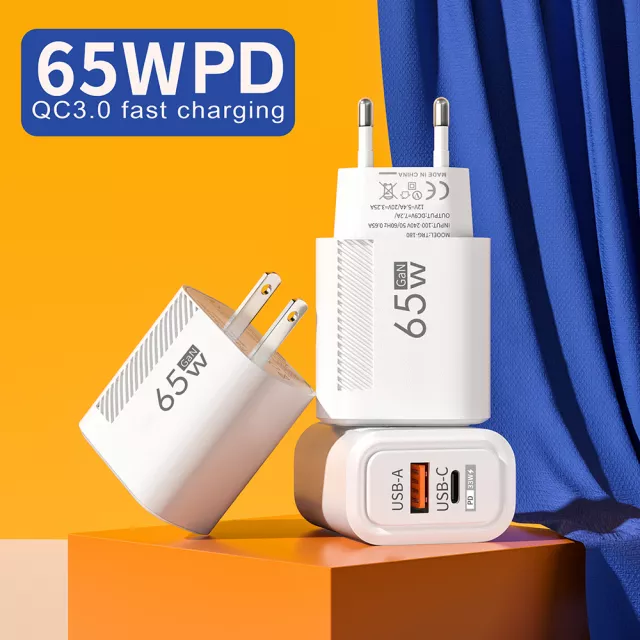
If you want one charger that can handle both quick boosts and everyday charging, a modern GaN USB-C charger with Power Delivery is a solid choice—your device will draw only what it needs. For a deeper walkthrough on wattage, USB-C PD, and what “quick charge” really means, see our guide here: https://splendona.com/guide-65w-gan-usb-c-wall-charger-quick-charge/.
It’s usually safe, but it can increase battery wear if the phone stays at 100% for hours, especially if it runs warm. Using optimized charging/charging limits (if your device offers them) and keeping the phone cool helps reduce long-term stress.




Leave a comment