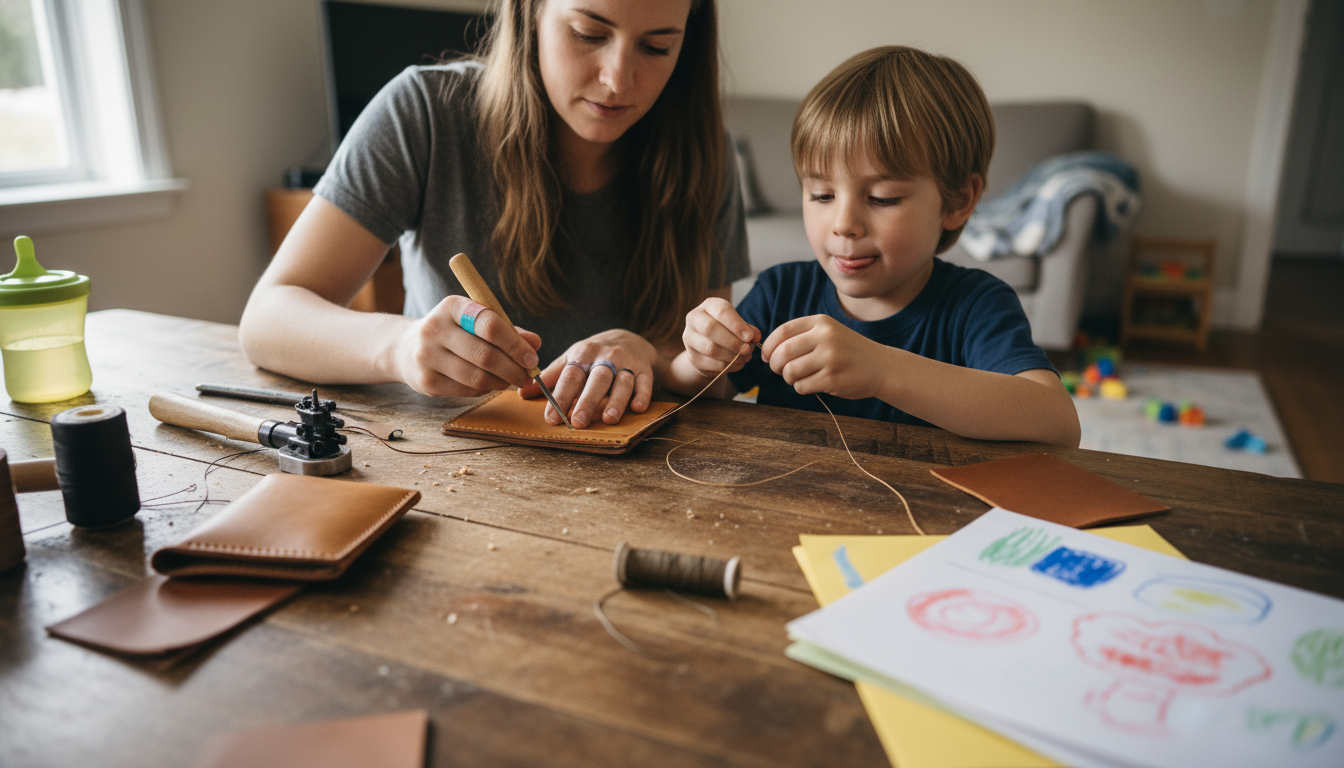
Leather stitching isn’t inherently difficult to learn, but it is less forgiving than sewing fabric. Leather doesn’t “heal” from needle holes, so accuracy matters from the start. The good news: the core techniques are straightforward, and most beginners can produce strong, good-looking stitches with a little practice and the right setup.
The learning curve usually comes from three areas: keeping stitch spacing consistent, pulling thread to an even tension, and working with thicker materials that resist the needle. If you’re hand stitching leather, you’ll typically use a pre-punched hole pattern (often made with an awl or stitching chisels) and then sew with two needles in a saddle stitch. That method is popular because it’s strong, neat, and easier to control than trying to push a standard needle through leather without guiding holes.
Beginners tend to improve quickly once they focus on a few habits. First, mark and punch holes evenly before threading any needles—this single step determines how professional the seam will look. Second, pull the thread snug, not aggressive; over-tightening can pucker the edge or distort the holes. Third, keep the angle consistent so the stitch slants the same way from start to finish. On thicker projects like belts, canvas-and-leather repairs, or heavy-duty straps, using waxed thread and a sturdy needle makes the process smoother and helps prevent fraying.
If the goal is clean, durable results (not speed), most people can get comfortable with basic leather hand stitching in a weekend of short practice sessions. More advanced skills—tight corners, decorative lacing, perfectly matched stitch lines—take longer, but they’re incremental upgrades, not a barrier to getting started.
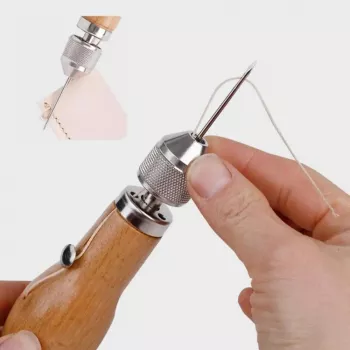
For a practical walkthrough on tools, setup, and heavy-duty hand sewing techniques, see the guide here: heavy-duty leather and canvas hand sewing kit guide.
A beginner-friendly setup includes stitching chisels or an awl to make holes, two harness needles, waxed thread, and a way to hold the work steady (like a stitching pony or clamps). A sharp knife or scissors and a lighter for sealing synthetic thread ends are also helpful.



Leave a comment