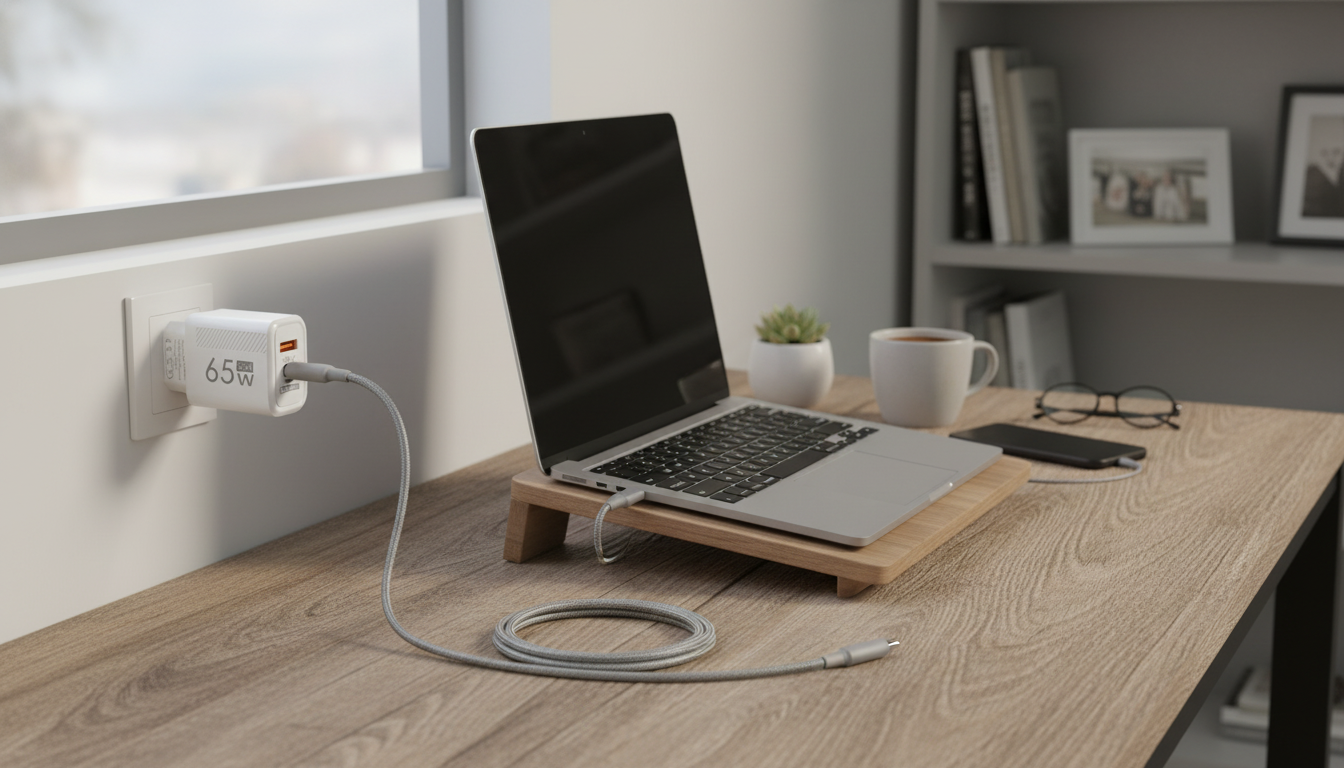
Yes—when you pick the right wattage and ports for your devices, a GaN (gallium nitride) charger is a genuinely good upgrade. Our team recommends GaN chargers because they can deliver strong power in a compact build, which makes them easier to carry and more practical for desks, nightstands, and travel bags. The real value shows up when you’re charging newer phones, tablets, and USB-C laptops that can benefit from faster USB-C Power Delivery (PD) output.
GaN technology helps chargers run efficiently while staying smaller than many older silicon-based designs at the same power level. For you, that usually means less bulk in the wall outlet and fewer compromises when you want one charger to cover multiple devices. Many GaN models also support modern fast-charging standards (like USB-C PD), so you get more consistent charging across different brands and product lines.
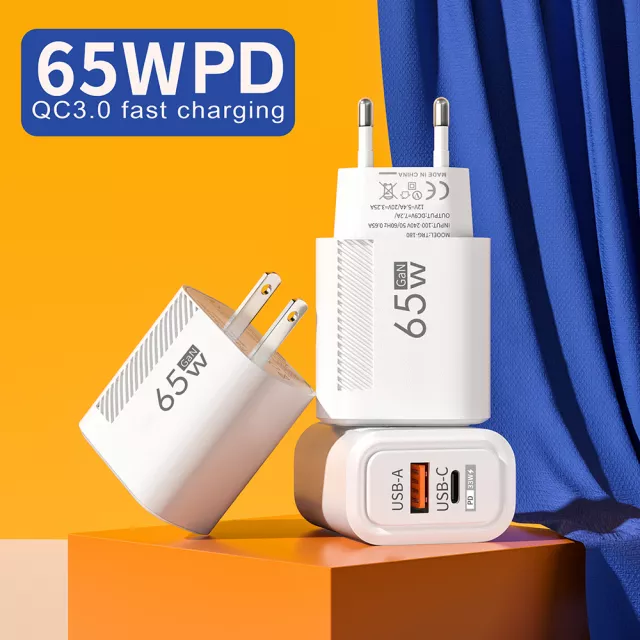
A GaN charger is only “really good” if it matches your charging needs. If you charge a phone and earbuds, a lower-watt option may be perfect. If you charge a laptop, aim for enough headroom—65W is a common sweet spot for many USB-C laptops and is also strong for fast-charging phones and tablets.
Also pay attention to the port layout and how the charger splits power when multiple devices are plugged in. Some models reduce output per port when you add a second device, which is normal behavior—but it matters if you expect laptop-speed charging while also topping off a phone.
Start with your highest-demand device (often a laptop), then choose a GaN charger that can meet that requirement on a single USB-C port. Next, decide whether you need a second USB-C port or a USB-A port for legacy cables. If you travel, a compact 65W GaN wall charger can replace multiple bricks and keep your bag lighter.
For a practical walkthrough on picking a 65W option, see our guide: https://splendona.com/guide-65w-gan-usb-c-wall-charger-quick-charge/
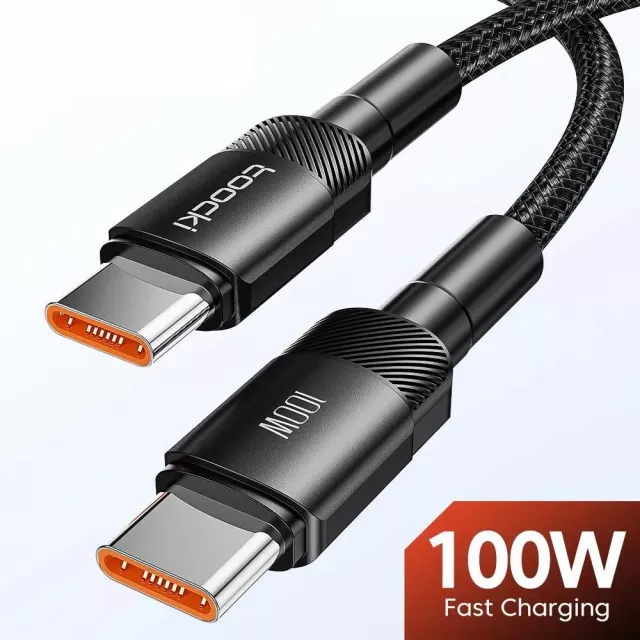
When you use a quality USB-C PD charger with a proper cable, your phone or laptop negotiates the power it needs, so it won’t be “forced” to take too much. Avoid damaged cables and don’t use chargers that run excessively hot or have loose ports.





Leave a comment