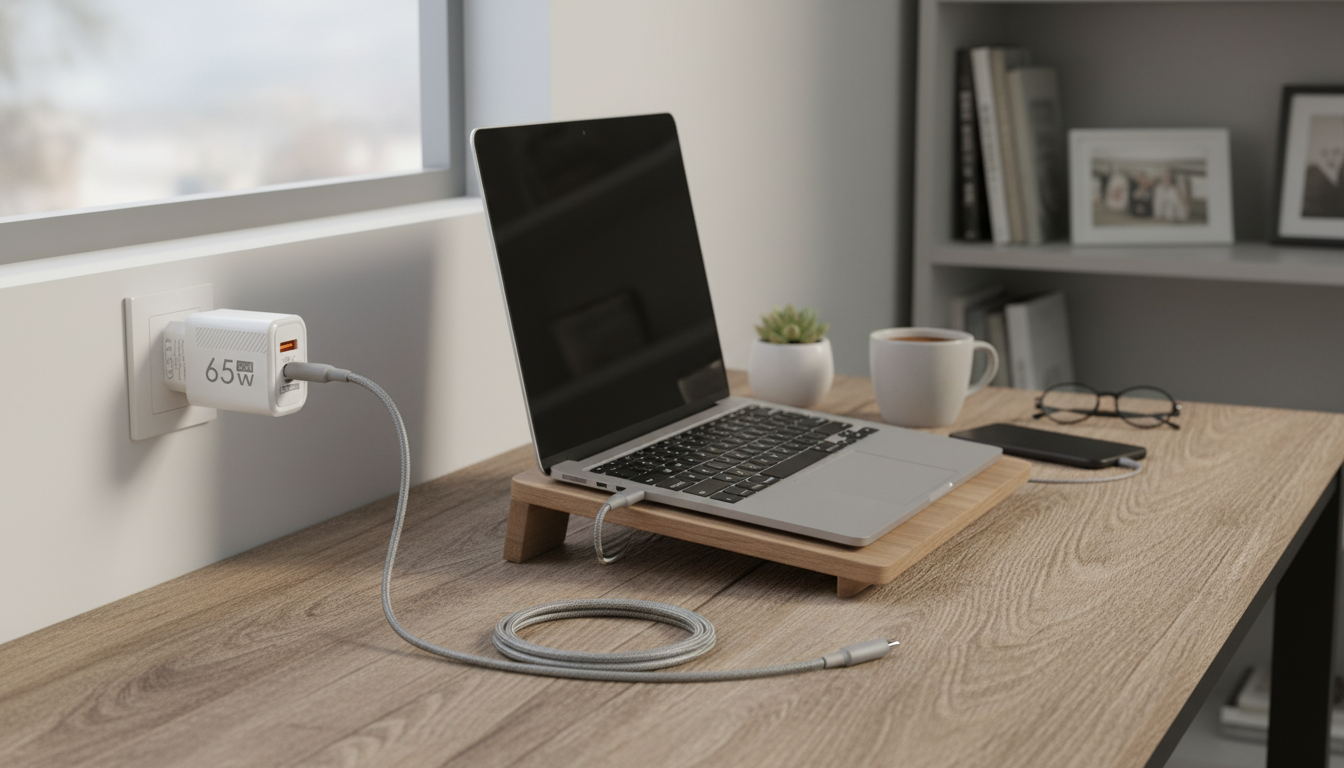
In most cases, no. Using a 100W charger is typically safe for your phone because your phone—not the charger—decides how much power it will accept. A higher-watt charger simply means it has more capacity available for devices that can use it (like tablets and laptops), while a phone will usually draw far less.
Modern USB-C charging relies on negotiation between the charger and your device (often via USB Power Delivery). Our team recommends using a quality USB-C charger and cable so that your phone requests only the voltage/current it supports. If your phone tops out at 20–30W, it will generally charge at that level even if the charger can deliver 100W.
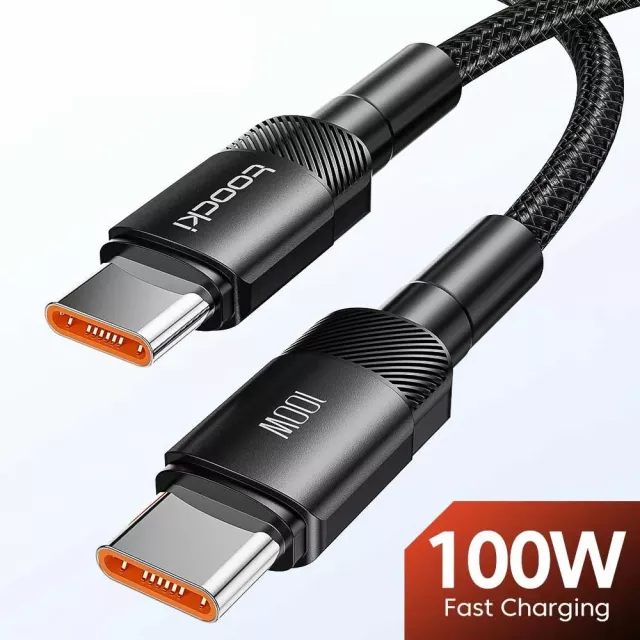
Problems are less about the wattage number and more about mismatched standards or poor-quality accessories. A low-quality charger or cable can run hot, behave inconsistently, or fail safety protections. Also, some older phones and proprietary fast-charge systems may not fast-charge at all on a high-watt PD charger (they may fall back to slower charging), but that’s an inconvenience—not usually damage.
Charging speed, case thickness, and warm environments can raise temperature. If your phone feels noticeably hot while charging, unplug it, let it cool, and try a lower-power mode (or avoid heavy use like gaming or navigation while plugged in). For everyday longevity, steady, cooler charging tends to be kinder to the battery than frequent high-heat sessions.
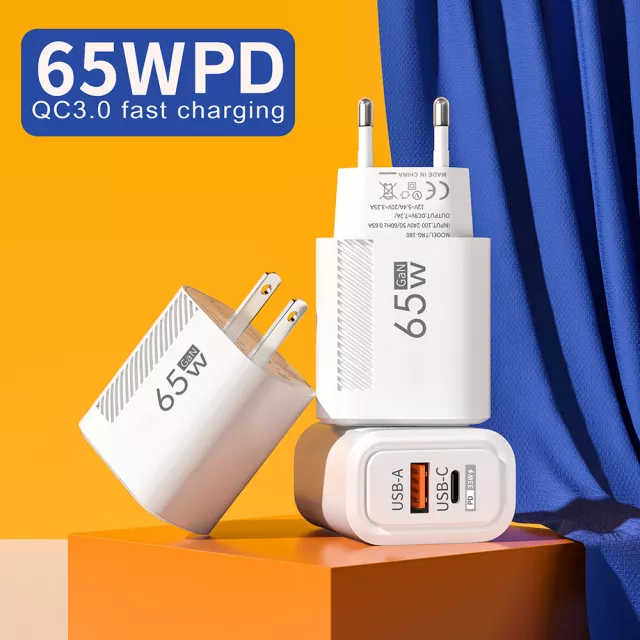
A single high-quality USB-C PD charger can simplify your setup for phone, tablet, and laptop. If you want guidance on picking the right output profiles, ports, and GaN benefits, our team put together a detailed resource here: https://splendona.com/guide-65w-gan-usb-c-wall-charger-quick-charge/.
Only if your phone supports a charging speed that high and the charger/cable match the needed standard. Otherwise, your phone will charge at its own maximum rate even if the charger is rated for more.


Leave a comment