
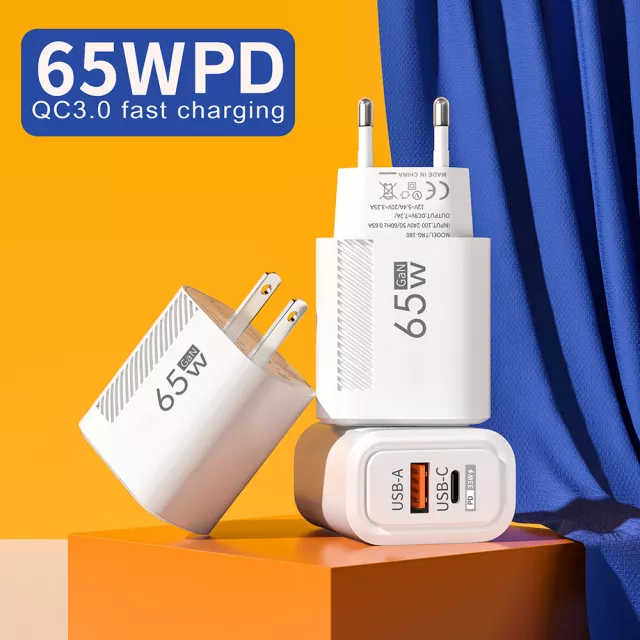
The right wattage depends on what you charge, how fast you want it, and whether you’ll power more than one device at once. Our team generally recommends a 60W charger for everyday phone-and-tablet use and many lightweight laptops, while a 100W charger is the better fit for larger laptops, demanding workloads, or shared charging. If you want a deeper dive on modern fast-charging basics, visit our guide here: 65W GaN USB-C wall charger quick charge guide.
Choose 60W if you mainly charge a phone, earbuds, handhelds, or a tablet, and you occasionally top off a USB-C laptop that’s designed around 45–65W charging. A 60W class charger is also great for travel: smaller bricks are easier to pack, and you’re less likely to carry unused capacity. If you plug in one primary device at a time and don’t need peak laptop charging speed, 60W typically covers you without overspending.
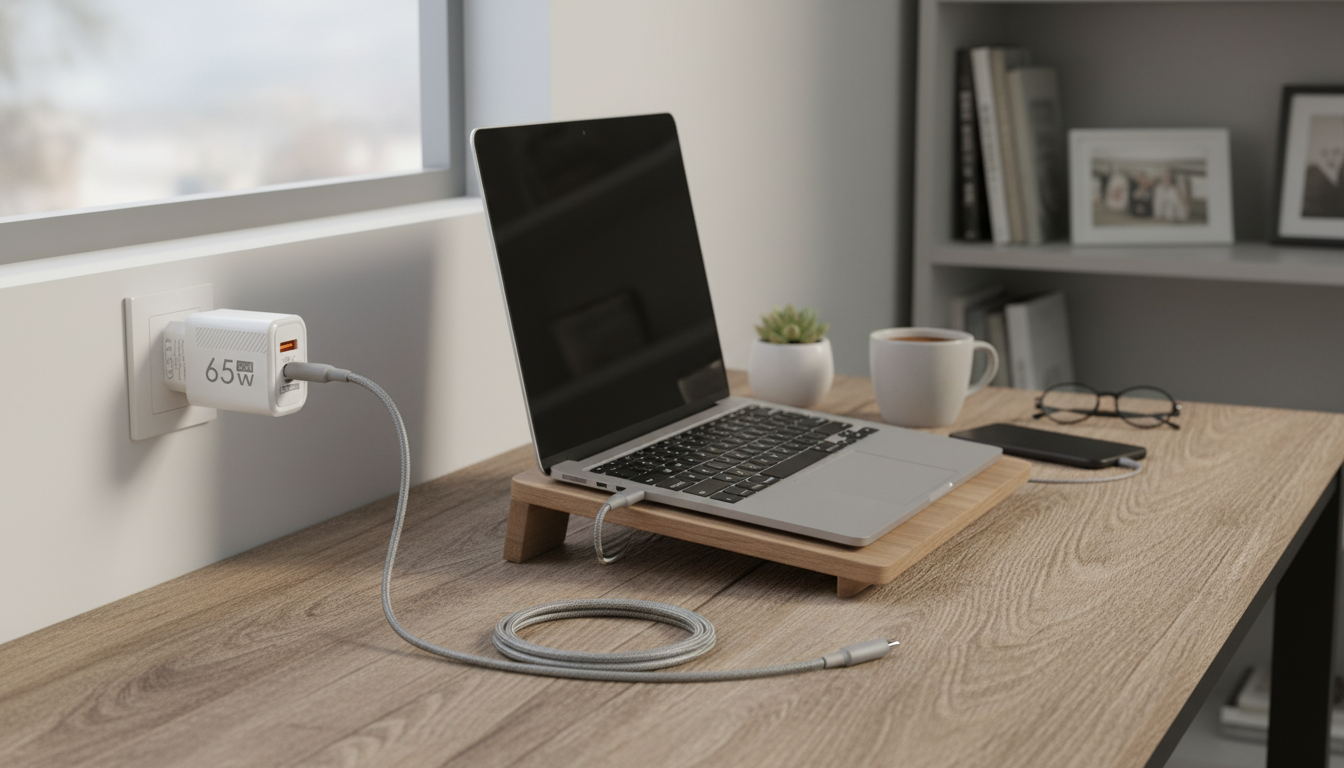
Go with 100W if your laptop expects higher power (common with 15–16 inch models), if you use performance modes, or if you want faster recovery from low battery while working. It’s also the safer choice for multi-device charging: many multi-port chargers split power across ports, so starting with 100W helps ensure your laptop still receives a strong share when you’re also charging a phone or tablet.
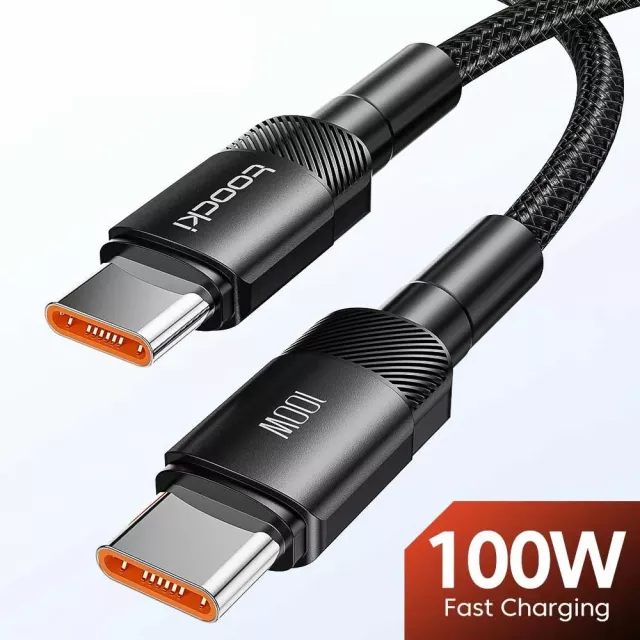
USB-C charging uses USB Power Delivery (PD) negotiation. Your device will draw only what it needs, so a 100W PD charger won’t “force” 100W into a phone. What you do need to match is the cable: for charging above 60W, use a USB-C cable rated for 100W (often labeled 5A). With the wrong cable, charging may throttle or fail to reach higher speeds.
If you want one charger to cover a bigger laptop, future upgrades, and multi-device charging, 100W is the flexible option. If you want a compact daily charger for a phone, tablet, and occasional laptop use, 60W is usually the sweet spot.
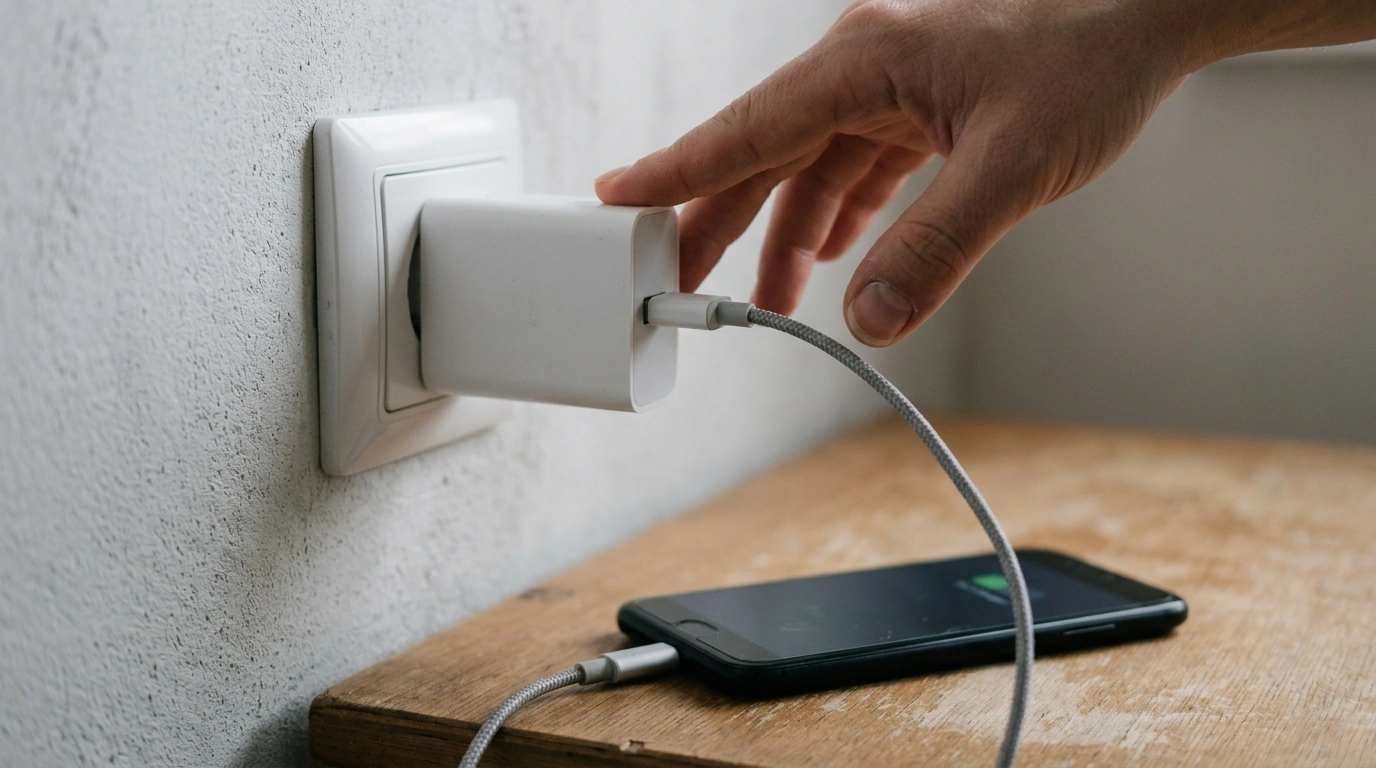
No. With USB-C PD, your phone negotiates the power it can accept and will only draw what it supports, even if the charger is rated for more.



Leave a comment