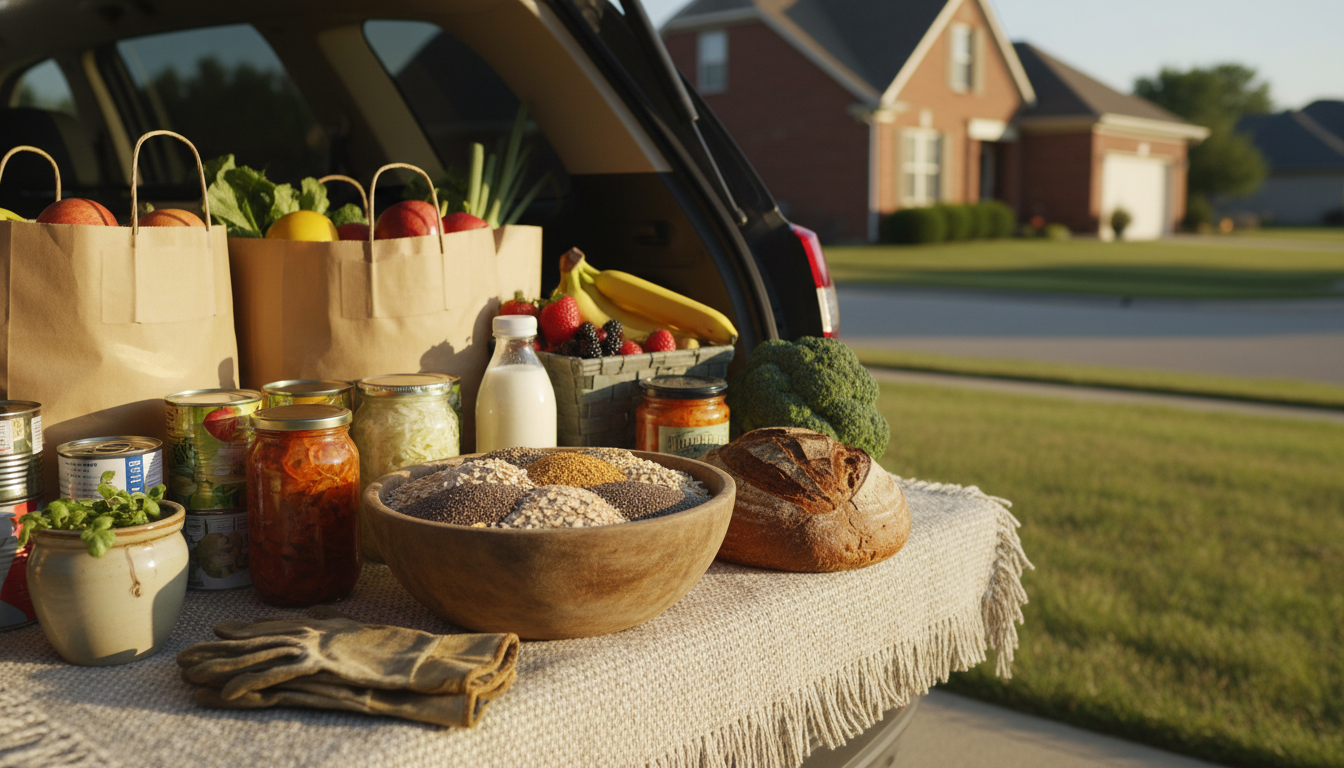
Five standout foods can support a healthier gut by feeding beneficial microbes, strengthening the gut barrier, and promoting regularity: beans and lentils, oats, yogurt with live cultures, fermented vegetables, and berries. The most reliable results come from eating them consistently and rotating options so your microbiome gets a wider range of fibers and plant compounds.
Legumes are packed with prebiotic fiber and resistant starch—fuel for helpful gut bacteria. Add black beans to salads, lentils to soups, or chickpeas to grain bowls. If you’re sensitive, start with smaller portions and rinse canned beans to improve tolerance.
Oats provide beta-glucan, a soluble fiber linked to improved stool consistency and a more favorable gut environment. Try steel-cut or rolled oats, or use overnight oats for an easy breakfast. Pair with fruit and nuts for extra fiber variety.
Yogurt can deliver beneficial bacteria (probiotics) that support microbial balance. Choose plain, unsweetened yogurt labeled with “live and active cultures,” and add your own toppings like berries or cinnamon. If dairy doesn’t work, look for cultured, non-dairy alternatives that also list live cultures.
Fermented veggies combine probiotics with plant fibers that help them thrive. Use a forkful as a side, on sandwiches, or in rice bowls. Aim for refrigerated varieties with live cultures rather than shelf-stable products that are often pasteurized.
Berries offer fiber plus polyphenols that can support beneficial microbes and gut lining health. Blueberries, raspberries, and blackberries are great in oatmeal, yogurt, or smoothies. Frozen berries work just as well as fresh.
For a simple way to put these foods into practice across the week, follow this checklist-style guide: 7-Day Gut Health Checklist: Fiber, Ferments & Habits.
Increase fiber gradually, add one fermented food daily, and prioritize hydration and regular meals. Many people notice better regularity within days, while deeper changes typically take a few weeks of consistent habits.







Leave a comment