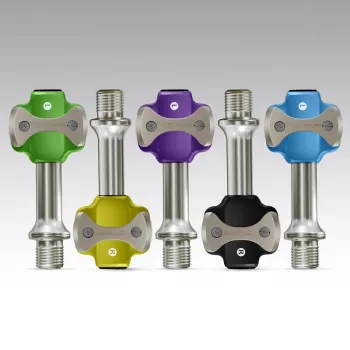
Common aluminum alloy compositions are grouped by “series” numbers (like 6000 or 7000), which indicate the primary alloying elements blended into aluminum to change strength, corrosion resistance, machinability, and overall performance. In consumer products and outdoor gear, these alloys are chosen to balance weight with durability—similar to how lightweight bike components prioritize stiffness and reliability without adding bulk.
6000-series alloys combine magnesium (Mg) and silicon (Si). Popular grades include 6061 and 6063. They’re widely used because they’re corrosion-resistant, readily extruded into complex shapes, and can be heat-treated for stronger temper conditions (like T6). This family is common in frames, brackets, and many machined parts where a dependable strength-to-weight ratio matters.
7000-series alloys use zinc (Zn) as the main alloying element, typically with magnesium and sometimes copper (Cu). Grades like 7075 are known for very high strength, making them a go-to for premium, highly stressed components. The tradeoff is typically higher cost and, in some conditions, lower corrosion resistance than 6000 series unless properly protected.
5000-series alloys are primarily aluminum-magnesium, such as 5052. They’re not usually heat-treated for strength the way 6061 or 7075 are, but they excel in corrosion resistance—especially in marine or salty environments—and they form well for sheet metal parts.
2000-series alloys (like 2024) are aluminum-copper. They can be very strong and fatigue-resistant, but generally need more attention to corrosion protection. They’re common in aerospace and some performance applications where strength is prioritized.
If you’re comparing materials for lightweight, high-contact parts, it helps to also consider design and surface finish. For a practical example of balancing grip, weight, and durability in cycling hardware, see this guide to ultralight locking bike pedals.
“6061” is the alloy family (Al-Mg-Si), and “T6” is a heat-treatment temper that increases strength and hardness. It’s a common choice for parts that need a reliable mix of durability, corrosion resistance, and machinability.
Common aluminum alloy compositions are grouped by “series” numbers (like 6000 or 7000), which indicate the primary alloying elements blended into aluminum to change strength, corrosion resistance, machinability, and overall performance. In consumer products and outdoor gear, these alloys are chosen to balance weight with durability—similar to how lightweight bike components prioritize stiffness and reliability without adding bulk.
6000-series alloys combine magnesium (Mg) and silicon (Si). Popular grades include 6061 and 6063. They’re widely used because they’re corrosion-resistant, readily extruded into complex shapes, and can be heat-treated for stronger temper conditions (like T6). This family is common in frames, brackets, and many machined parts where a dependable strength-to-weight ratio matters.
7000-series alloys use zinc (Zn) as the main alloying element, typically with magnesium and sometimes copper (Cu). Grades like 7075 are known for very high strength, making them a go-to for premium, highly stressed components. The tradeoff is typically higher cost and, in some conditions, lower corrosion resistance than 6000 series unless properly protected.
5000-series alloys are primarily aluminum-magnesium, such as 5052. They’re not usually heat-treated for strength the way 6061 or 7075 are, but they excel in corrosion resistance—especially in marine or salty environments—and they form well for sheet metal parts.
2000-series alloys (like 2024) are aluminum-copper. They can be very strong and fatigue-resistant, but generally need more attention to corrosion protection. They’re common in aerospace and some performance applications where strength is prioritized.
If you’re comparing materials for lightweight, high-contact parts, it helps to also consider design and surface finish. For a practical example of balancing grip, weight, and durability in cycling hardware, see this guide to ultralight locking bike pedals.
“6061” is the alloy family (Al-Mg-Si), and “T6” is a heat-treatment temper that increases strength and hardness. It’s a common choice for parts that need a reliable mix of durability, corrosion resistance, and machinability.






Leave a comment