PVC leather (often called “plastic leather” or “vinyl”) is popular because it’s inexpensive, water-resistant, and easy to wipe clean. The tradeoff is that it tends to fall short in comfort, longevity, and sustainability compared with genuine leather and some higher-end faux alternatives. Below are the most common downsides to consider before buying or restoring PVC leather items.
PVC leather is made by coating a fabric backing with polyvinyl chloride. With regular flexing—think seats, handbags, or jackets—the surface can dry out, stiffen, and eventually crack or peel. Once the top layer starts separating, the damage usually spreads rather than staying in one small spot.
Because PVC forms a non-porous film, it doesn’t “breathe” the way real leather does. That can make it feel sweaty or clammy against skin, especially on furniture and apparel. In warm environments, it may also feel sticky.
PVC leather can get uncomfortably hot in direct sun and may feel cold and rigid in low temperatures. Temperature swings can also speed up surface wear, especially on frequently used items like car seats.
The glossy finish can hide early wear, but scuffs and scratches often show as dull patches or exposed backing. Harsh cleaners, solvents, and even frequent friction from clothing can accelerate that worn look.
PVC production and disposal raise environmental red flags. It’s petroleum-based, not biodegradable, and can release harmful chemicals during manufacturing or when incinerated. If sustainability is a priority, PVC is typically considered one of the less eco-friendly faux leather options.
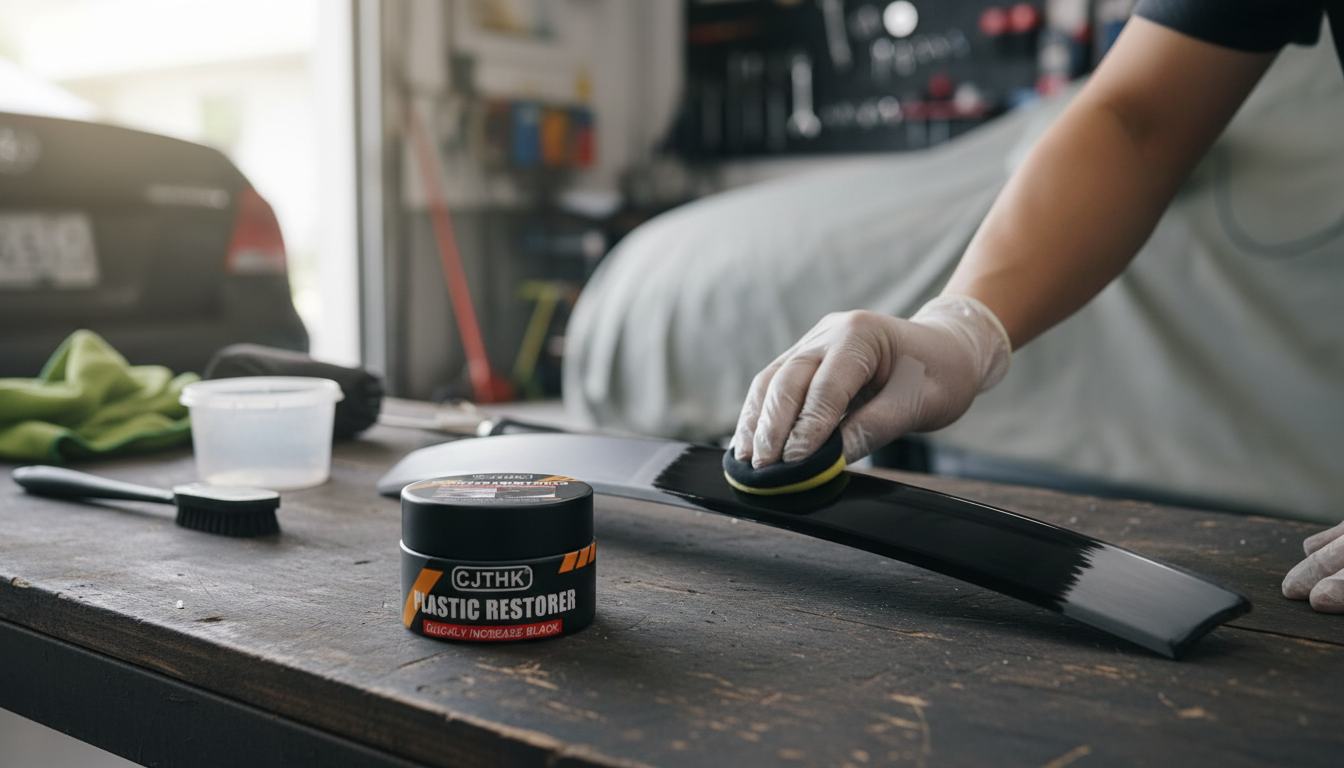
Unlike real leather, PVC leather can’t be conditioned back to health in the same way. Restoration often relies on specialized cleaners, coatings, or gloss products to improve appearance. For practical tips on reviving black plastic leather and restoring shine, see this guide to plastic leather restorer and gloss.
Keep it out of direct sun and heat, clean with mild soap and water, and avoid solvents or abrasive scrubbers. Reducing friction and wiping spills quickly can also slow cracking and peeling.





Leave a comment