
Christmas cactus (Schlumbergera) is generally considered non-toxic to cats, but nibbling the stems or leaves can still upset a cat’s stomach. Most reactions are mild and short-lived, but symptoms can vary depending on how much was eaten and whether your cat chewed the plant thoroughly.
If a cat eats Christmas cactus, the most common symptoms are gastrointestinal. You may notice vomiting, gagging, drooling, decreased appetite, or mild diarrhea. Some cats also paw at their mouth or lick their lips more than usual if the plant’s texture irritates their mouth or throat.
In some cases, cats may seem briefly lethargic or uncomfortable from nausea. If your cat ate a large amount, swallowed long pieces, or has a sensitive digestive system, the stomach upset may be more pronounced. Rarely, repeated vomiting or diarrhea can lead to dehydration (dry gums, hiding, weakness).
Remove plant pieces from your cat’s mouth if it’s safe, and take the plant out of reach to prevent more nibbling. Offer fresh water and monitor your cat for the next 12–24 hours. Avoid giving human medications or trying to induce vomiting unless a veterinarian specifically instructs you to do so.
Contact your veterinarian promptly if your cat can’t keep water down, vomits repeatedly, has persistent diarrhea, seems very lethargic, shows signs of dehydration, or you suspect your cat ate a different holiday plant (like lily, poinsettia, or mistletoe) along with the cactus. Also call if your cat may have chewed potting soil additives, fertilizers, or pesticides, which can cause more serious problems than the plant itself.
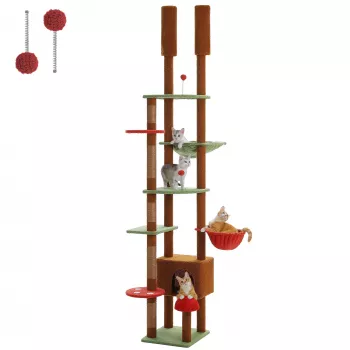
Cats often chew plants out of curiosity, stress, or boredom. If you’re looking for a practical way to redirect climbing and chewing behavior, a dedicated vertical space can help. For ideas on a stable, space-saving setup, see this guide to a cactus floor-to-ceiling cat tower.
It’s uncommon, but swallowing larger fibrous pieces (or chewing on other items like tinsel nearby) can irritate the gut and, in rare cases, contribute to an obstruction. Call your vet if there’s repeated vomiting, no stool, abdominal pain, or worsening lethargy.






Leave a comment