
In most everyday cases, nothing bad happens. When you plug a 65W USB-C charger into a device that normally uses a 45W charger, the device and charger “negotiate” the power level. Your device draws only what it’s designed to take, so a higher-watt charger typically just has extra capacity available rather than forcing more power into your phone, tablet, or laptop.
Sometimes. If your device is capable of accepting more than 45W (or if it can use higher voltage/current profiles), a 65W charger may unlock faster charging—especially for many laptops and some tablets. If your device is limited to 45W or less, the charging speed usually stays the same, but you may still see steadier charging under heavy use (like gaming or video calls) because the charger has more headroom.
Using a 65W charger is generally safe for modern USB-C devices because charging is controlled by the device’s internal power management and USB Power Delivery (PD) communication. Battery wear is more affected by heat and how often you keep a device at 100% than by having a charger with a higher maximum wattage.
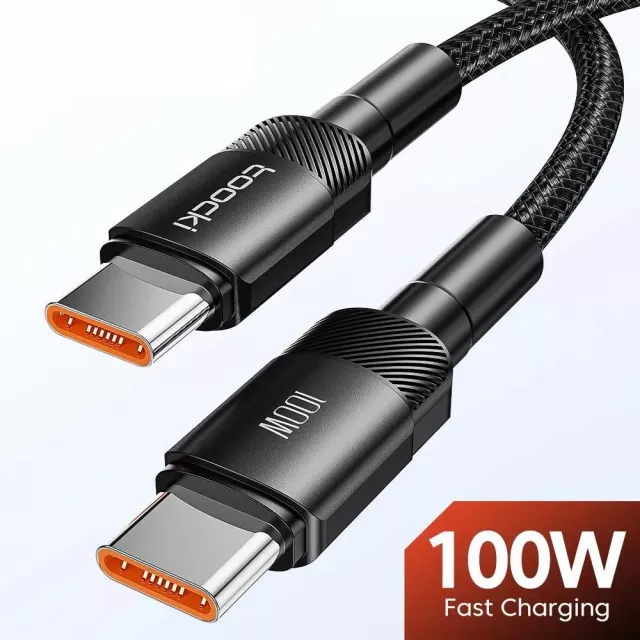
Issues are more likely when the charger isn’t reputable, doesn’t follow USB-C PD standards, or uses a poor-quality cable. For best results, our team recommends a certified USB-C PD charger and a USB-C cable rated for the power level you’re using (for example, a 100W-capable cable is a safe pick for 65W charging). Also note that some laptops may show “slow charger” warnings if a 45W charger is used during high performance tasks—moving to 65W can help avoid that.
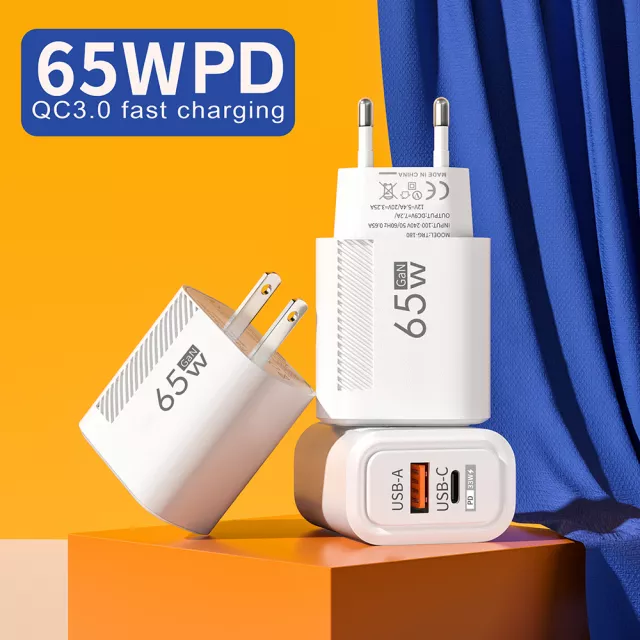
A 65W charger can be a convenient single-charger solution for many households: it can power laptops, tablets, and phones while automatically scaling down for smaller devices. If you want a deeper walkthrough on wattage, GaN benefits, and picking the right charger, visit our complete guide here: https://splendona.com/guide-65w-gan-usb-c-wall-charger-quick-charge/.
Normally, no. A phone will only draw the power it’s designed to accept when the charger and cable follow USB-C Power Delivery or the phone’s supported charging standard.





Leave a comment