
Another way to say “reduce waste” is “cut down on waste.” Other common options include “minimize waste,” “prevent waste,” “decrease waste,” and “waste less.” Each phrase points to the same goal: using fewer resources up front and keeping more materials out of the trash.
The best alternative depends on what you’re describing and how specific you want to be.
This is a friendly, everyday substitute that works well in conversation and general tips. Example: “Cut down on waste by bringing a reusable bottle.”
This sounds a bit more formal and is common in guides, policies, and product descriptions. Example: “Minimize waste by choosing refillable options.”
Use this when emphasizing stopping waste before it happens, like planning meals or buying only what you’ll use. Example: “Prevent waste by freezing leftovers before they spoil.”
These are concrete and easy to picture, especially for household habits. Example: “Create less trash by switching from paper towels to washable cloths.”
This phrase ties your action to a lifestyle approach and is helpful when talking about ongoing habits rather than one-time changes. Example: “Go low-waste with reusable bags and containers.”
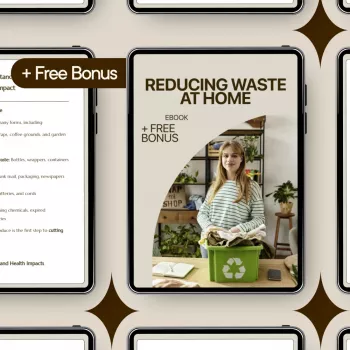
Language is useful when it points to action. Whether you say “minimize waste” or “cut down on waste,” the everyday steps are similar: buy less, reuse more, repair when possible, and choose products with less packaging. If you want practical ideas you can start today, see the simple habit-by-habit tips in this guide to reduce waste at home.
For Best Alternatives to “Reduce Waste” (With Examples), the best answer depends on fit, material, care instructions, and how the product will be used day to day.
Start with easy swaps like carrying reusable bags and bottles, using washable towels instead of disposables, and planning meals to avoid food spoilage. Small, consistent changes usually make the biggest difference over time.






Leave a comment