
Reducing waste in waste management means preventing trash from being created in the first place and shrinking the amount that needs to be collected, processed, landfilled, or burned. It focuses on using less, choosing longer-lasting products, and designing daily habits so fewer materials become “waste.” In the waste management hierarchy, reduction sits at the top because the most efficient waste is the waste that never exists.
Reduction happens before recycling or disposal. It can look like buying only what will be used, avoiding single-use packaging, and selecting items that can be repaired or refilled. It also includes planning—such as meal planning to prevent food spoilage—because food waste is a major contributor to landfill methane emissions.
At home, reducing waste often starts with small, repeatable decisions: carrying reusable bags, refilling a water bottle instead of buying cases, choosing concentrates or bulk options, and swapping disposable products for durable alternatives. Over time, these changes lower the volume of garbage and reduce the demand for raw materials, manufacturing, and shipping.
When less waste is created, municipalities and businesses spend less on hauling, sorting, and landfill fees. Households also save money by cutting impulse purchases, extending product life, and reducing food thrown away. Environmentally, waste reduction helps conserve resources (like trees, water, and minerals) and can reduce pollution tied to extraction and production.
Choose a few “high-frequency” areas first: food, packaging, and everyday disposables. Keep a small set of reusables ready (bags, bottle, coffee cup), switch to refillable or concentrated household products when practical, and set up a system to use leftovers before they’re forgotten.
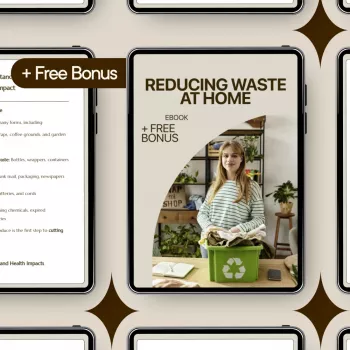
For a practical list of low-waste habits that fit into a busy routine, visit this guide to reducing waste at home.
Start with reusables (shopping bags, bottle, mug), buy only what you’ll use, and prevent food waste by planning meals and using leftovers. Small changes in daily routines typically reduce the most trash fastest.






Leave a comment