
Most “air can duster” products (the disposable canned dusters sold for keyboards and electronics) don’t publish a single fixed PSI because the pressure changes constantly as you use the can. In practice, a fresh can typically starts with relatively high internal pressure and then drops as the propellant expands and cools. That’s why a can may feel strong for short bursts at first and noticeably weaker after extended spraying.
Instead of focusing on an exact PSI number, it’s more useful to think about what canned air is designed for: light, quick cleaning of loose dust in tight spaces. It’s not intended to deliver consistent pressure like a compressor line, and it can’t maintain steady output over long sessions.
Canned dusters contain a liquefied gas propellant. When you press the trigger, that liquid turns into gas and exits the nozzle. As this happens, the can rapidly cools (a refrigeration effect), which reduces internal pressure and weakens airflow. Shake time, can temperature, remaining fill level, and spray duration all change how “strong” it feels from one moment to the next.
For electronics, controlling distance, angle, and burst length is often more important than chasing a PSI spec. Use short bursts, keep the nozzle a few inches away, and avoid spraying directly into delicate fan bearings. Also keep the can upright—tilting can release cold liquid propellant that may leave residue or cause thermal shock on sensitive components.
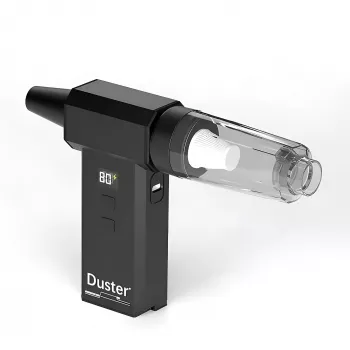
If the goal is repeatable airflow that doesn’t fade mid-clean, a rechargeable electric air duster is usually a better fit than disposable cans. Many models provide stable performance and eliminate the cold-spray issues that come with propellants. For a practical walkthrough of electric options and what to look for, see the main guide here: https://splendona.com/guide-130000rpm-handheld-air-duster-pc-car-home-guide/.
Yes, when used carefully: spray in short bursts, hold the can upright, and keep a little distance from components. Prevent fans from spinning freely while spraying to avoid stressing the bearings.





Leave a comment