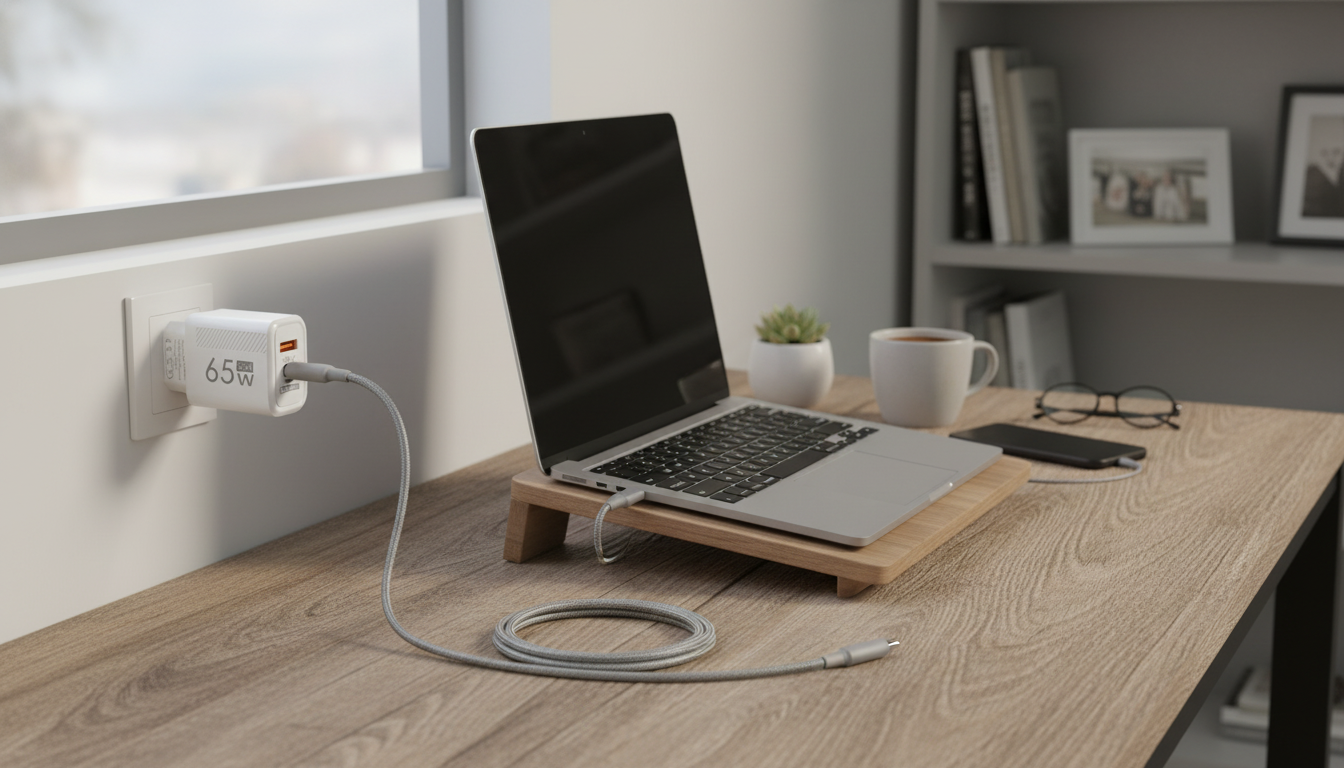
Charge your iPhone safely by using a quality, certified charger and cable, keeping the phone cool, and avoiding physical stress on the port and cord. Our team recommends sticking to reputable USB-C Power Delivery (PD) charging, matching the right wattage to your needs, and practicing simple habits that prevent heat buildup and wear.
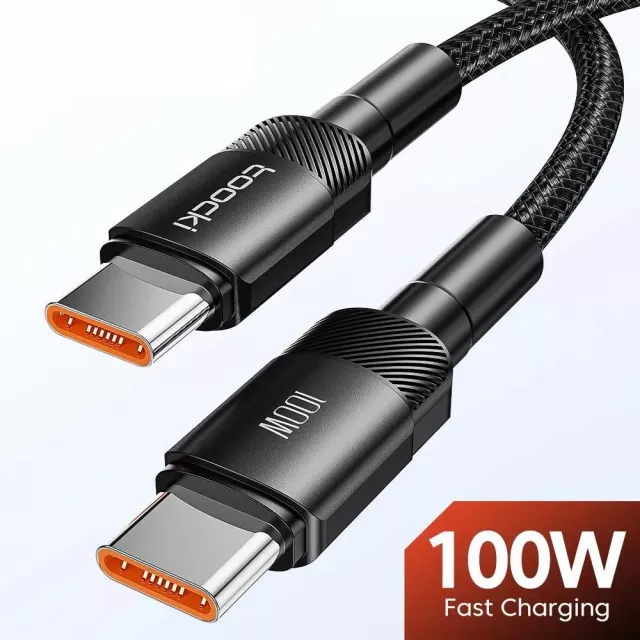
Start with a charger from a reputable brand and a cable in good condition (no fraying, kinks, or loose connectors). For newer iPhones that use USB-C, a USB-C to USB-C cable is ideal; for Lightning models, use a USB-C to Lightning cable made for iPhone charging. A dependable charger with modern protections (over-current, over-voltage, temperature control) helps reduce risk during daily charging.
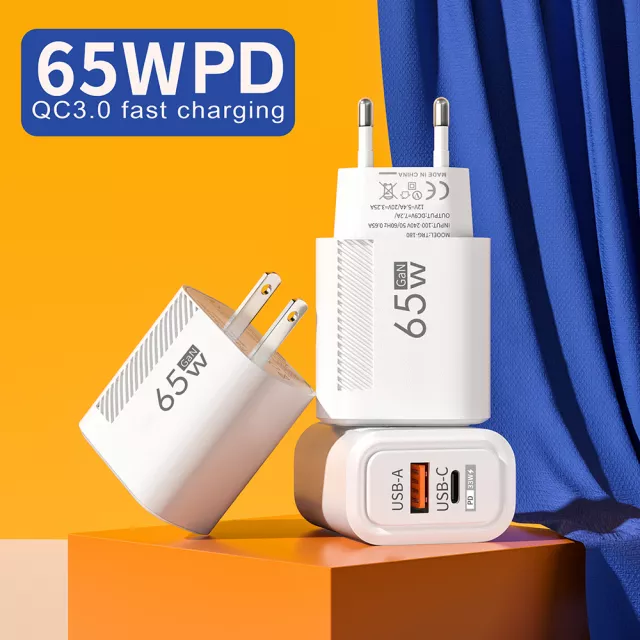
Your iPhone will only draw the power it needs, but a well-designed USB-C PD charger delivers that power cleanly and efficiently. For many users, a 20W-class PD charger is a solid everyday choice; higher-wattage chargers can still be safe when they’re built correctly and used with the right cable. If you want a deeper breakdown of modern USB-C chargers and what to look for, see our guide here: https://splendona.com/guide-65w-gan-usb-c-wall-charger-quick-charge/.
Heat is the main enemy of long-term battery health. Charge on a hard surface with airflow, remove thick cases if the phone feels warm, and avoid charging in direct sunlight or a hot car. If you game, run navigation, or use a hotspot, it’s safer to pause those heavy tasks while charging to keep temperatures down.
Don’t charge with the cable sharply bent or pulled tight; this can damage the cable and the iPhone’s port over time. Insert and remove the connector straight, and keep the charging port free of pocket lint by cleaning gently only when necessary.
Avoid very cheap adapters, damaged cords, or charging from unstable power sources. If a charger or cable gets unusually hot, makes noise, smells off, or causes the phone to disconnect repeatedly, stop using it and replace it.
Yes, as long as it’s a high-quality USB-C PD charger and you use a good cable. Your iPhone will only draw the wattage it needs, and the charger’s safety protections help regulate power delivery.



Leave a comment