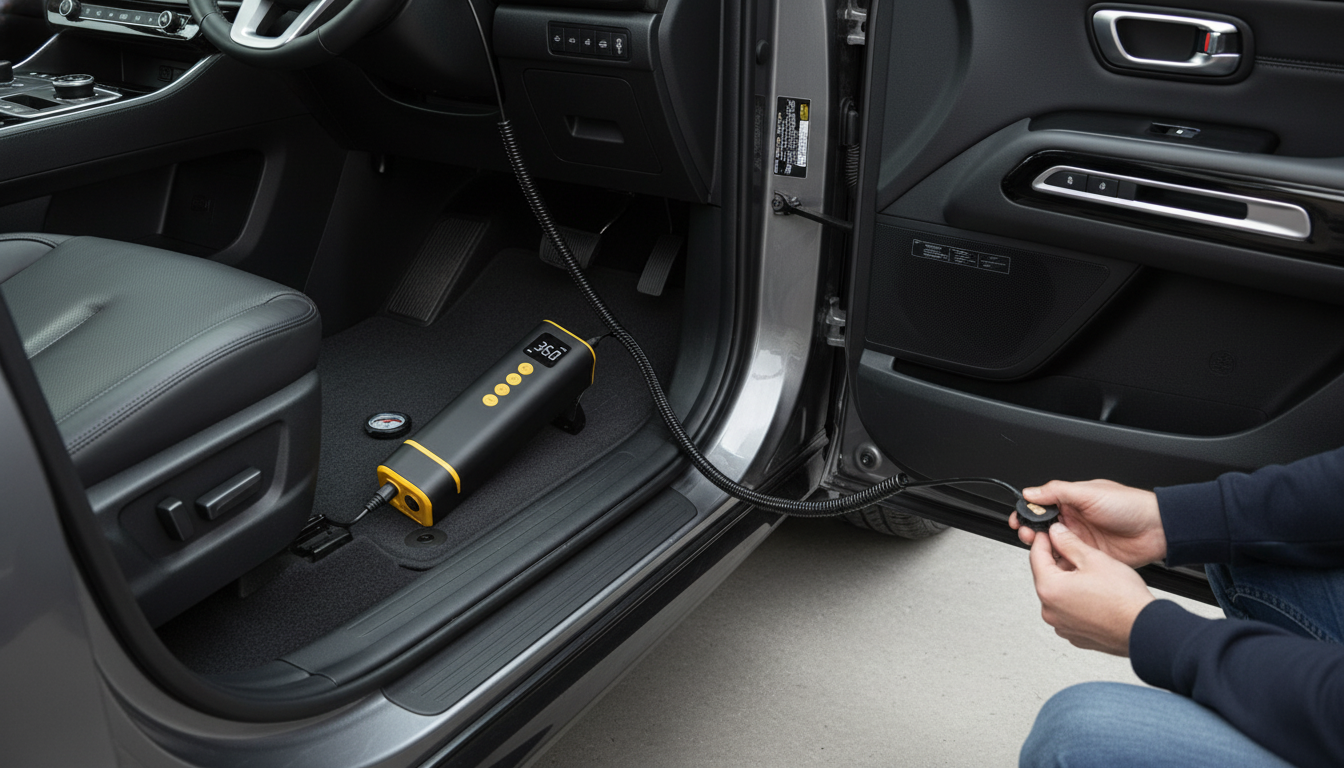
The right tire pressure for your Kia Carnival is the “cold” PSI listed on the tire and loading information sticker—typically found on the driver’s door jamb (or sometimes inside the fuel door). That number is the target pressure Kia engineered for your exact trim, wheel size, and original tire specification. Many Carnival setups land in the mid-30 PSI range, but the door-jamb sticker is the only reliable answer for your vehicle.
Set pressure when the tires are cold, meaning the vehicle has been parked for at least 3 hours or driven less than about 1 mile at low speed. If you check right after driving, the reading will be higher due to heat buildup; don’t “bleed off” air to match the cold spec while the tires are hot—wait until they cool and recheck.
To dial it in:
If you regularly carry a full load of passengers and cargo, take long highway trips, or tow (where permitted and properly equipped), it’s still best to follow the vehicle placard unless Kia provides an alternate “loaded” specification. Underinflation can lead to sluggish handling and excess shoulder wear; overinflation can make the ride harsher and reduce the tire’s contact patch.
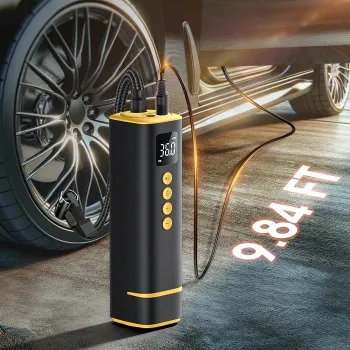
For more detail on checking PSI, choosing a gauge, and using an inflator effectively, see this guide: https://splendona.com/guide-off-road-tire-psi-digital-monitor-150-psi-inflator/.
Check pressure when the tires are cold using a reliable gauge, then compare your reading to the driver’s door-jamb “cold PSI” specification. If you add air, recheck after a few seconds to confirm the final number.




Leave a comment