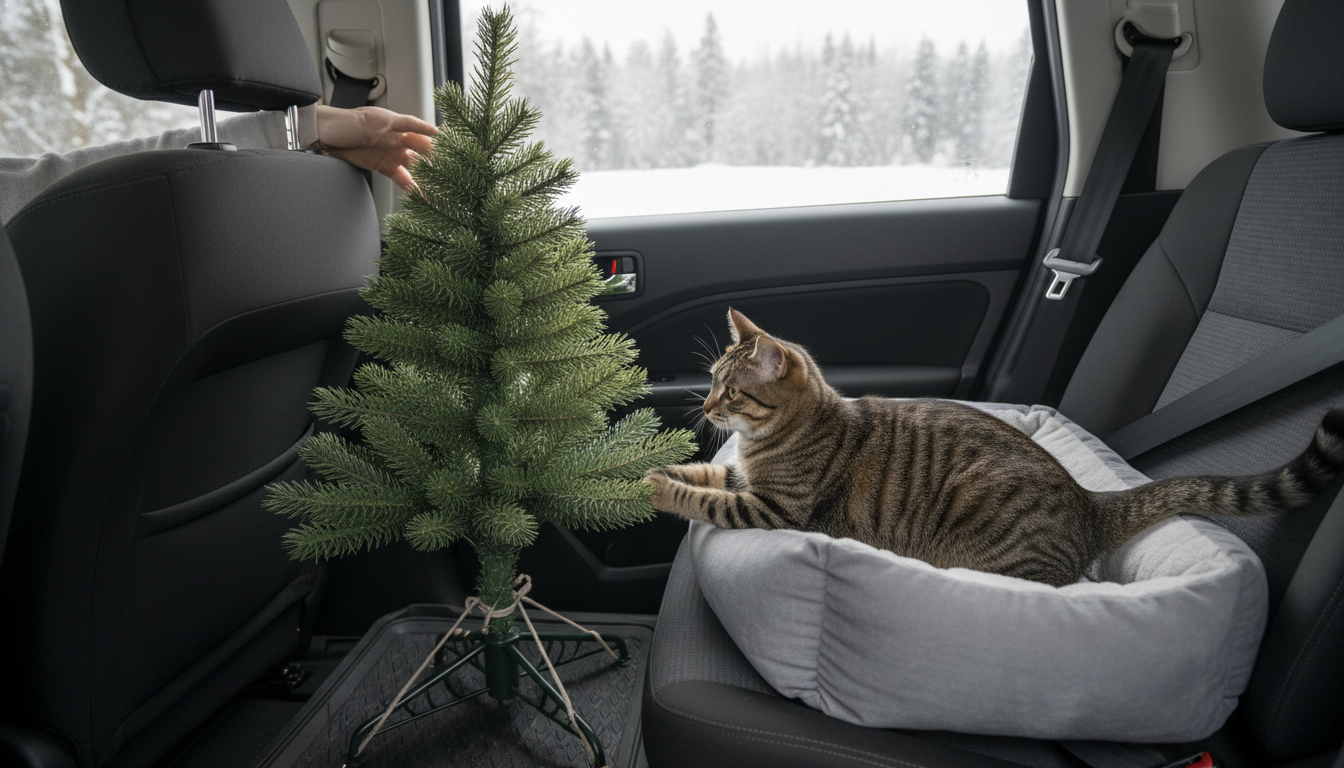
The best Christmas tree for a home with cats is a slim, stable artificial tree with a sturdy metal stand and hinged branches. Cats are naturally curious climbers, and a wobbly tree can turn into a tipping hazard fast. A narrow “pencil” or “slim” profile gives your cat less surface area to scale, while a heavier base helps the tree stay upright if it gets bumped.
Look for an artificial tree labeled as having a reinforced center pole and a wide, weighty stand. If you prefer a real tree, choose a smaller one (shorter height, narrower width) and pair it with an extra-stable stand that clamps firmly at the trunk. Either way, prioritize stability over height.
1) A stable base: Pick a stand that’s wide, heavy, and secure. If the tree shifts when you gently push it, it’s not cat-ready.
2) A slimmer silhouette: Pencil trees reduce climbing “real estate” and make it harder for cats to jump deep into the branches.
3) Durable branches: Cats may swat, chew, or pounce. Strong, hinged branches bounce back better than delicate, sparse tips.
4) Placement options: A tree that fits in a corner can limit access from multiple sides and help keep it steady.
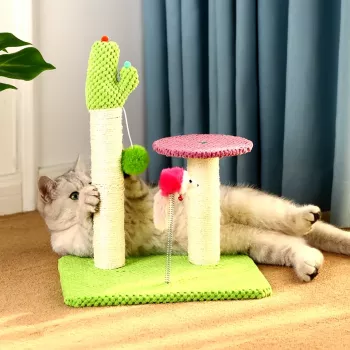
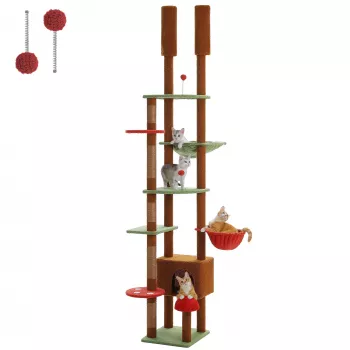
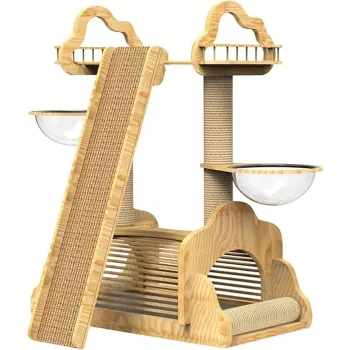
Anchor the tree to the wall or ceiling using clear fishing line or a discreet strap, especially if your cat is a committed climber. Skip breakable ornaments on lower branches, avoid tinsel (a common choking and intestinal blockage risk), and keep the tree skirt tight so it doesn’t become a tempting play mat. Offering a better “yes” option helps, too—give your cat a climbing outlet away from the tree, such as a dedicated cat-climbing setup.
For more ideas on redirecting climbing and scratching behavior (and choosing a cat-friendly climbing alternative), see this guide to cat climbing trees and scratch boards.
Anchor the tree, remove tempting lower ornaments, and redirect your cat to a nearby cat tree or scratcher. Consistent redirection and making the tree less rewarding usually reduces climbing attempts.



Leave a comment