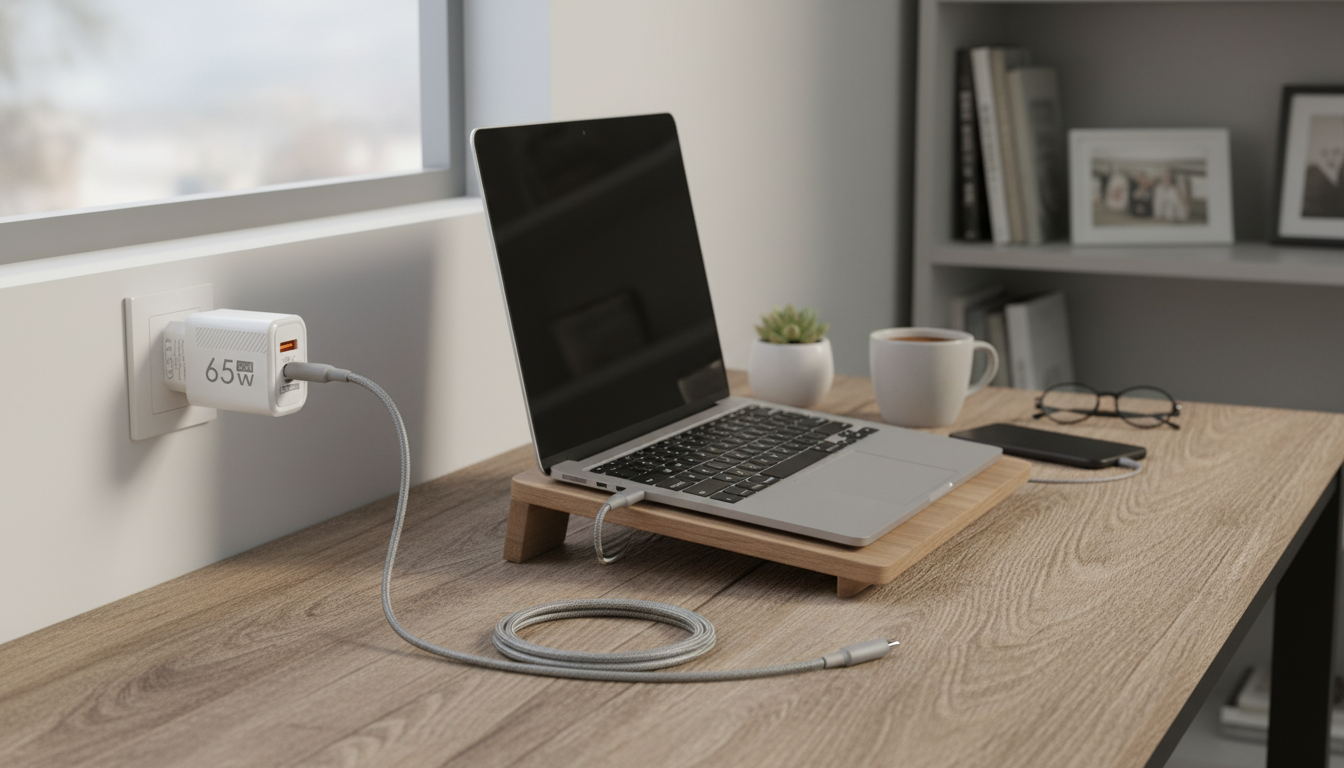
Pick based on what you power day to day: a 65W charger is the sweet spot for most phones, tablets, handhelds, and many USB-C laptops, while a 100W charger is the safer choice for power-hungry laptops, multi-device charging, and “one charger for everything” setups. Our team generally recommends starting with your highest-power device and then considering whether you often charge more than one thing at once.
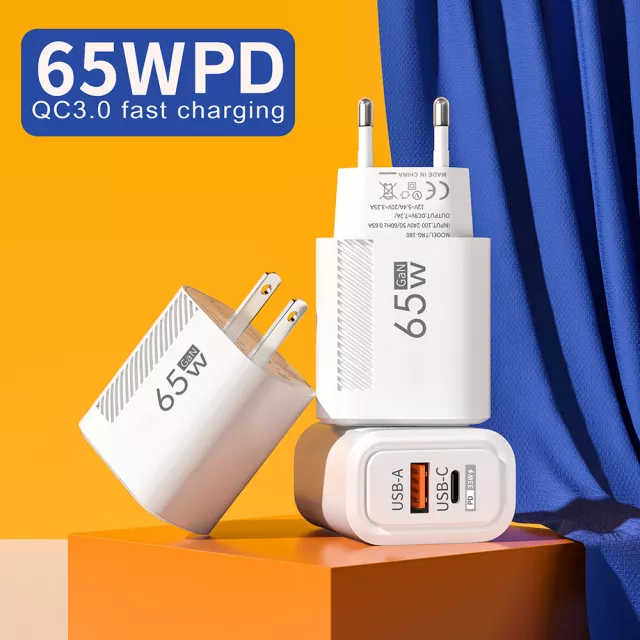
A 65W USB-C charger is ideal when your main goal is fast, reliable charging in a compact form. It’s typically plenty for modern smartphones (even at peak fast-charge rates), tablets, and accessories. It can also handle many lightweight and midrange USB-C laptops for normal work—especially if you’re not maxing CPU/GPU performance while charging.
If you mainly charge one device at a time, 65W usually delivers the best mix of speed, portability, and cost. For a deeper breakdown of what 65W GaN chargers do well, see our guide here: https://splendona.com/guide-65w-gan-usb-c-wall-charger-quick-charge/.
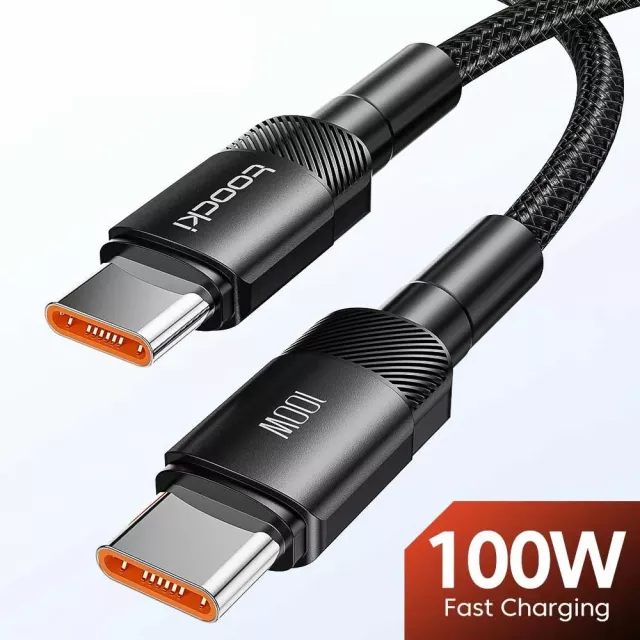
A 100W USB-C charger is a better fit when you use a larger USB-C laptop, run heavier workloads, or want more headroom so the charger doesn’t feel “just enough.” With higher-watt chargers, your laptop is more likely to keep charging even during demanding tasks, instead of merely holding battery level.
100W also helps when you plug in two or more devices at the same time. Multi-port chargers often split power across ports; starting with a higher total wattage reduces the chance that one device slows another.
If your largest device is a phone/tablet or a compact laptop and you typically charge one device at a time, go 65W. If your largest device is a performance laptop, you want maximum compatibility across devices, or you frequently charge multiple devices simultaneously, go 100W.
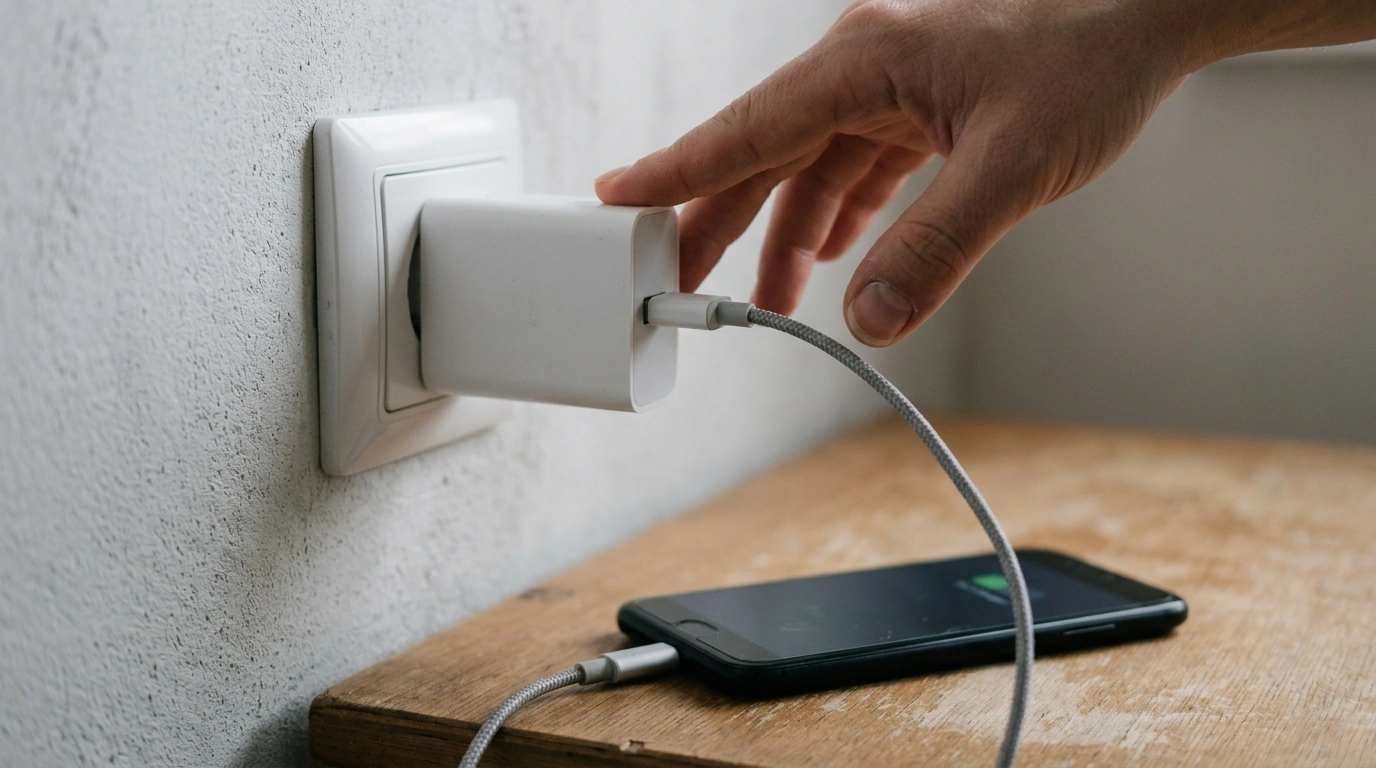
No. Your phone negotiates power over USB-C and only draws what it can safely accept, so a 100W charger won’t force 100W into it.



Leave a comment