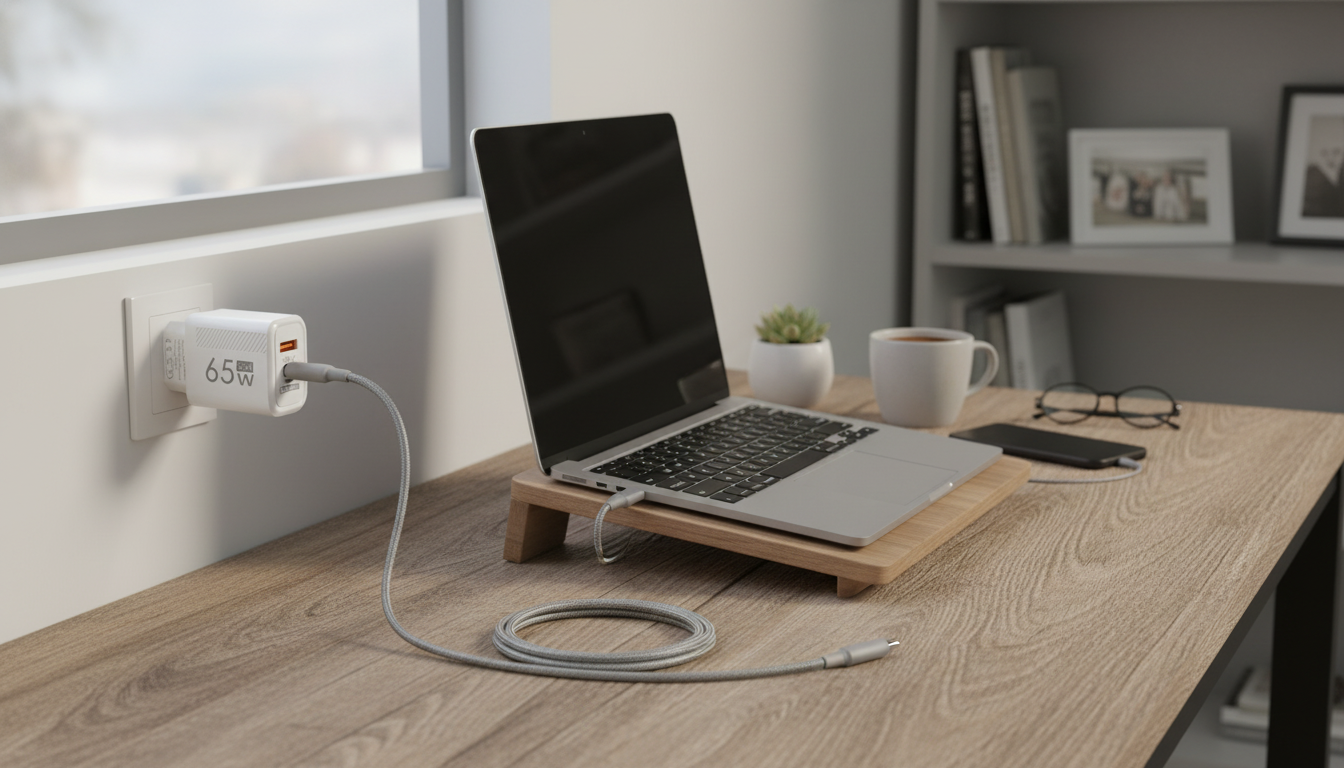
In normal, everyday use, a 100W USB-C charger will not break an iPhone. Your iPhone only pulls the amount of power it’s designed to accept, and a higher-watt charger simply means the charger can supply up to 100W—not that it will force 100W into your phone. With a quality USB-C Power Delivery (PD) charger and a proper cable, charging stays within safe limits set by the iPhone and the charger during their “handshake.”
Charging over USB-C PD is negotiated. When you plug in, the charger advertises supported voltage/current profiles and the iPhone requests what it can use. Most iPhones top out well below 100W, so the phone will cap the draw automatically. The most common risk isn’t the wattage number—it’s using a poorly built charger or a low-quality cable that overheats or has unstable power delivery.
A 100W charger can be unsafe if it’s counterfeit, has bad internal protections, or is paired with a cable not rated for the job. While your iPhone won’t ask for 100W, unreliable chargers can create heat, electrical noise, or voltage instability that may stress the battery over time. Heat is the real enemy: if your phone feels excessively hot while charging, unplug and switch to a known-good charger and cable.
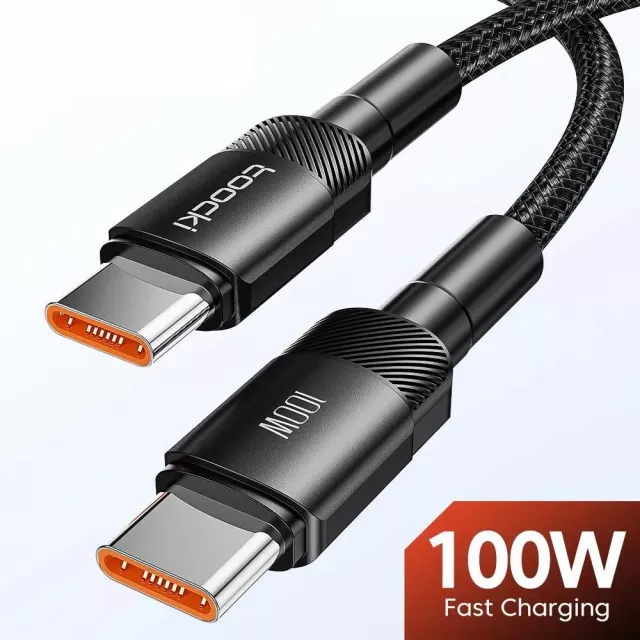
Use a USB-C to Lightning cable (for Lightning iPhones) or a USB-C to USB-C cable (for iPhone 15 and later) from a reputable brand. A solid cable helps maintain stable PD negotiation and reduces heat.
Pick a charger that clearly supports USB-C PD and includes safety features like over-current, over-voltage, and temperature protection. GaN models often run cooler and smaller for the same output.
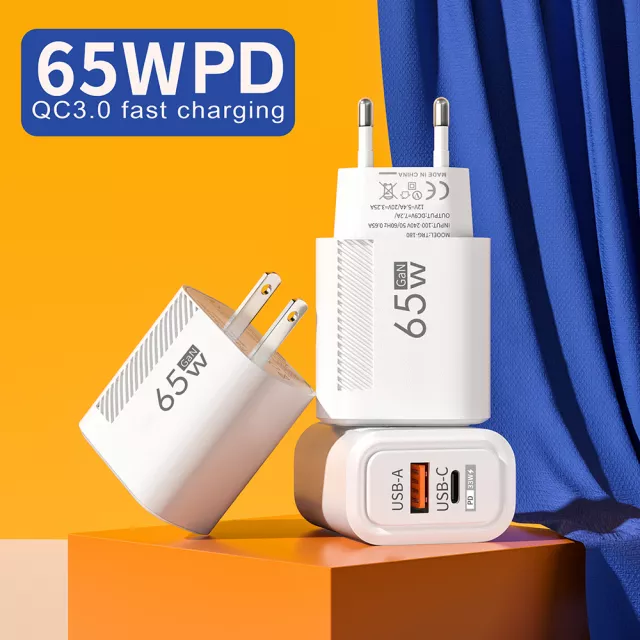
If you’re comparing charger sizes and outputs, our team has a detailed walkthrough here: 65W GaN USB-C wall charger guide. The same PD principles apply when stepping up to 100W.
It’s usually more power capacity than an iPhone needs, but it isn’t harmful. Many people use one high-watt charger to power multiple devices, then let the iPhone draw only what it can.





Leave a comment