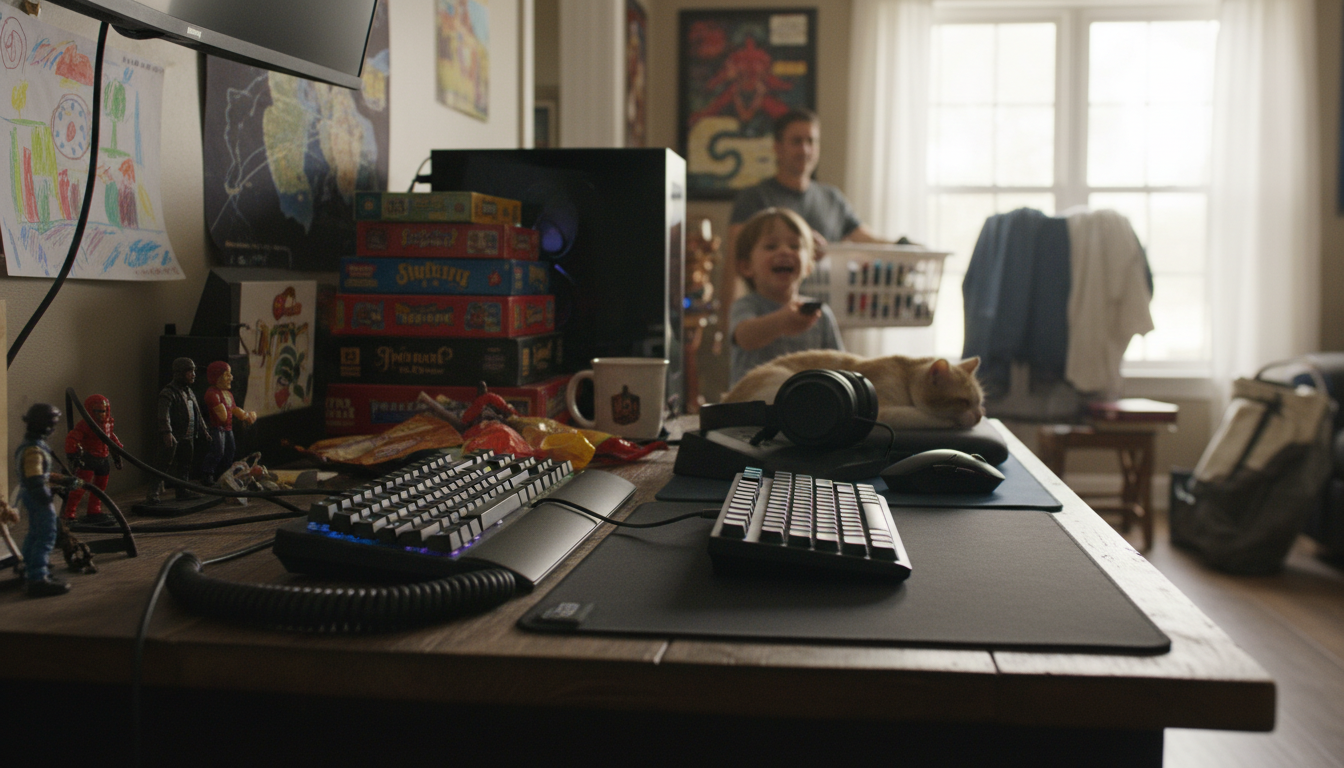
Most gamers don’t universally “prefer” one type of keyboard; they choose based on the games they play, their setup, and what they value most: responsiveness, convenience, or a clean desk. That said, competitive and esports-focused players still lean wired more often, while casual players and multi-purpose setups increasingly favor wireless.
Wired keyboards remain the default for tournament-style play because they’re simple and consistent. A cable means no battery management, no pairing, and virtually zero chance of interference. Many players also like the predictability of a direct connection—plug in, play, and forget about it.
Wired models can be a better fit if you’re sensitive to any added latency, run long gaming sessions, or want the fewest variables possible in ranked matches. They’re also often cheaper at the same switch/build quality level, since you’re not paying for a wireless radio and battery.
Wireless gaming keyboards have improved dramatically, especially with 2.4GHz dongle connections that are designed for low latency. For many players, the main draw is freedom: a cleaner look, easier cable management, and more flexibility for couch gaming or switching between a PC and laptop.
Battery life and charging are the tradeoffs, but modern boards can last days to weeks depending on lighting and use. If RGB is a priority, expect battery life to drop—though some players simply dim or disable lighting to extend runtime.
Choose wired if you want maximum simplicity and always-on reliability. Choose wireless if you value a cleaner setup, portability, or easy multi-device use—and you’re comfortable keeping a charging cable nearby.
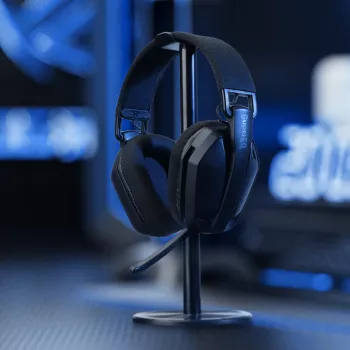
If you’re also refining your broader gaming setup, including wireless performance considerations, check out this related guide: wireless RGB gaming headset (2.4GHz, USB-C, 35-hour battery) guide.
2.4GHz wireless (via a USB dongle) is typically preferred for gaming because it’s built for low-latency performance. Bluetooth is convenient for travel and compatibility, but it can add more latency depending on the device and environment.





Leave a comment