
Yes—most healthy, full-term babies around 7 pounds can be safely worn, as long as the carrier is rated for newborn use and your baby meets the carrier’s minimum weight requirement (often 7–8 pounds). The bigger factor than the exact number on the scale is fit: the carrier should support your baby’s airway, spine, and hips in a newborn-appropriate position.
Check the tag or manual for the minimum weight and whether a newborn insert is required. Some soft-structured carriers need an insert until your baby is taller or has stronger head control, while many wraps and newborn-friendly slings work without an insert when tied correctly.
When you put your 7-pound baby in a carrier, aim for these quick checks: Tight (no sagging), In view at all times, Close enough to kiss (high on your chest), Keep chin off chest (at least two fingers of space), and Supported back in a natural C-curve.
For a baby this small, front inward carry is the standard. Your baby’s knees should be higher than their bottom in an “M” shape, with fabric supporting from knee to knee. Avoid outward-facing carries until your baby has solid head/neck control and your carrier specifically allows it.
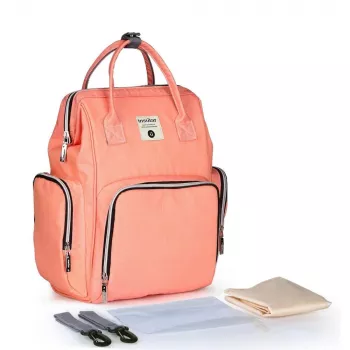
Babywearing often pairs best with a roomy diaper bag so essentials stay organized while your hands stay on baby and balance. If you’re comparing storage options for walks, errands, and travel, see this guide to a large-capacity diaper backpack with stroller straps for practical features like compartments, stroller attachment, and quick-access pockets.
If your baby was born premature, has low birth weight, has breathing issues, reflux concerns, or any medical condition that affects tone or airway, get guidance before babywearing. Also pause and reassess if you notice noisy breathing, a slumped posture, or a chin-to-chest position.
Wraps, ring slings, and newborn-rated soft structured carriers are common options. The best choice is one that fits your baby’s current size, supports a high, snug carry, and keeps the airway clear.




Leave a comment