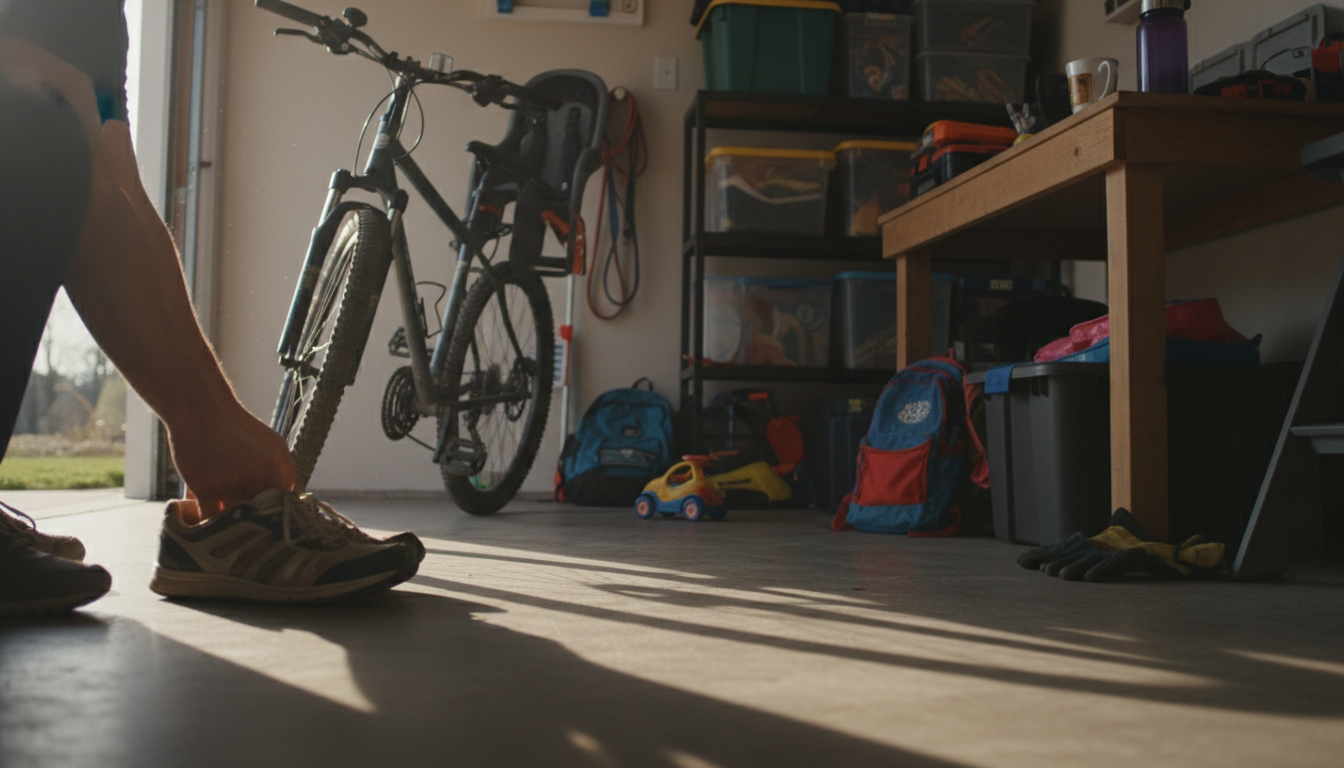
When motivation dips after lunch, treat it like a predictable energy valley—not a personal failure. The fastest way back is a short reset paired with a smaller, clearer next step. Aim to change your state (body and environment) first, then change your task (scope and structure) so it feels doable again.
Step away from the screen, stand up, and move. A brisk walk, a few flights of stairs, or a quick stretch breaks the mental fog and improves alertness. Follow it with water and, if needed, a light protein-forward snack (think yogurt, nuts, or a hard-boiled egg) to avoid the crash that often follows a heavy lunch.
Afternoon resistance often comes from tasks feeling too big. Pick the smallest visible action: draft the first paragraph, answer the oldest email in the thread, outline three bullet points, or open the file and label sections. Set a 10-minute timer and stop when it ends—you’ll often keep going once momentum returns.
Match your workload to your energy. Use the slump for administrative or repeatable tasks: scheduling, organizing notes, updating a tracker, prepping tomorrow’s to-do list, or batching quick replies. Save deep work for your higher-energy windows.
Change one thing that cues focus: clear your desk surface, put your phone in another room, close extra tabs, or use noise management (music without lyrics, white noise, or a quieter space). Even a small environmental shift can create a “fresh start” feeling.
Write the next three actions only (not a full overhaul): one must-do, one should-do, and one quick win. If you want a structured routine you can reuse daily, follow the checklist in this guide: work-from-home motivation checklist for daily focus.
Create a short “focus block” with one clearly defined task, silence notifications, and set a timer for 25–45 minutes. If distractions are physical (family, deliveries), communicate a visible “do not disturb” window and plan quick check-in breaks so you’re not constantly context-switching.






Leave a comment