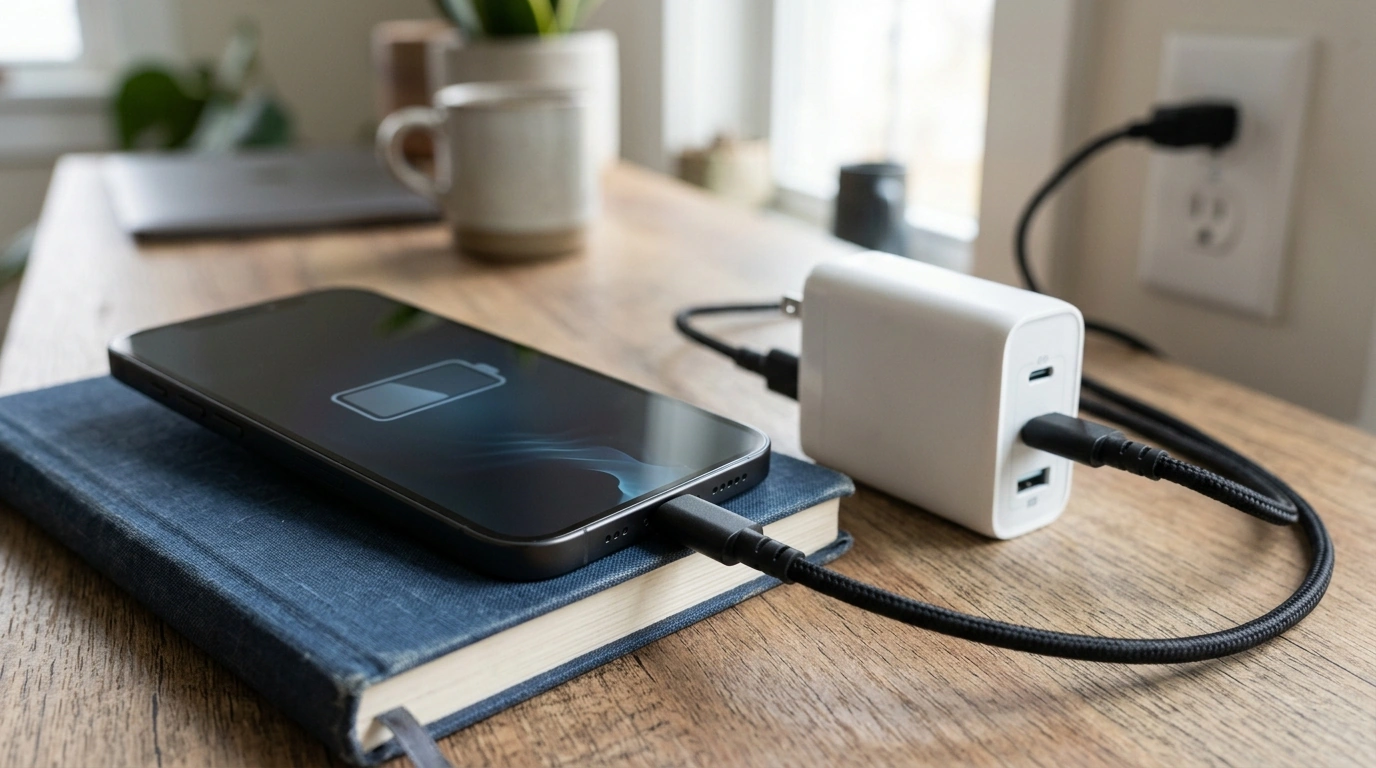
Most phones can safely be plugged into a 100W USB-C charger, because USB-C Power Delivery (USB-PD) is designed to negotiate power before any high wattage is delivered. Your phone “asks” for a specific voltage/current level, and the charger supplies only what the phone requests. So even if the brick is capable of 100W, your phone may only draw 18W, 25W, 45W, or whatever it supports.
That said, the experience depends on the phone and the charger’s fast-charge compatibility. If your phone supports USB-PD (and especially PPS, which many modern Android models use for fast charging), a higher-capacity charger can be a great universal option. If your phone relies on a proprietary charging standard, a 100W USB-PD charger may still charge it safely, but it might fall back to a slower speed.
A 100W USB-C charger is ideal if you rotate between a phone, tablet, handheld console, and even a laptop. Your phone won’t be “overpowered”; it’ll just take what it can use, while the charger has headroom for bigger devices.
High-wattage chargers often split power across ports. A 100W total output can help keep phone charging stable even when you plug in additional devices.
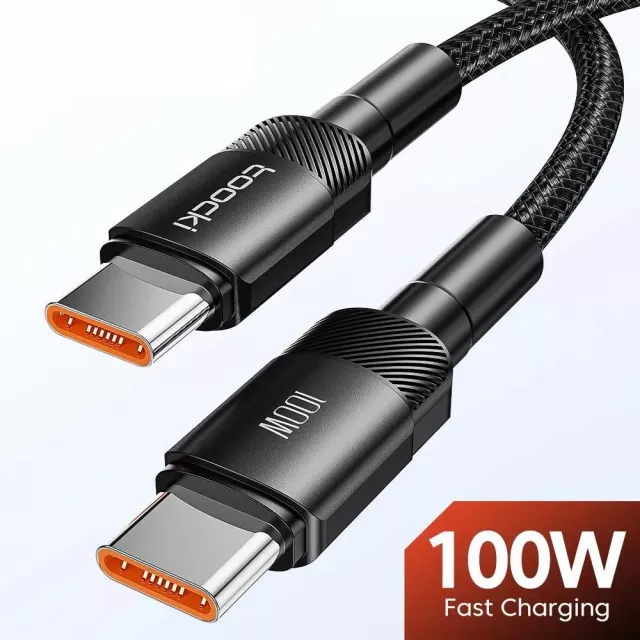
Pair the charger with a quality USB-C to USB-C cable rated for the wattage you need. For high-power ports, a 5A (100W) e-marked cable helps prevent slowdowns and connection issues.
Fast charging creates heat, and heat is what impacts comfort and long-term battery wear. If your phone gets hot, remove thick cases, avoid charging in direct sun, and consider using a slightly lower-wattage port or charger for long sessions.
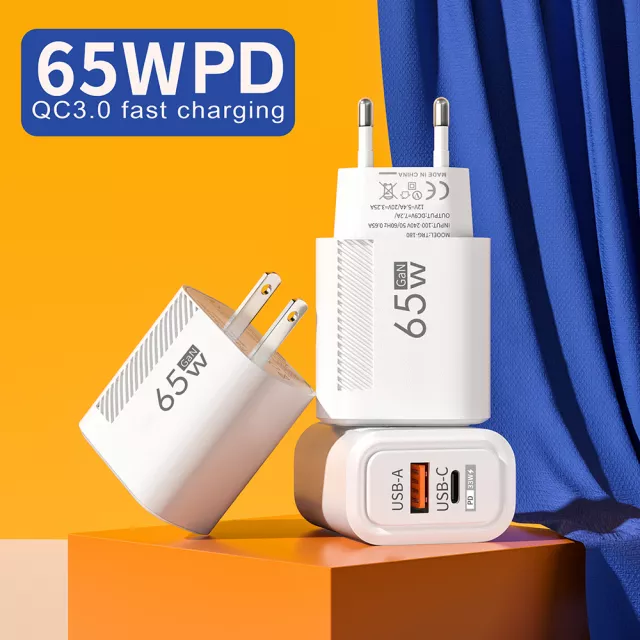
If you’re deciding between mid-range and high-wattage options, our team breaks down what matters (USB-PD, GaN sizing, port mix, and real-world use) in our guide: https://splendona.com/guide-65w-gan-usb-c-wall-charger-quick-charge/.
Use a USB-C to USB-C cable rated for 5A (100W) with an e-marker chip. That rating helps the charger and device negotiate higher power safely and avoids unnecessary throttling.





Leave a comment