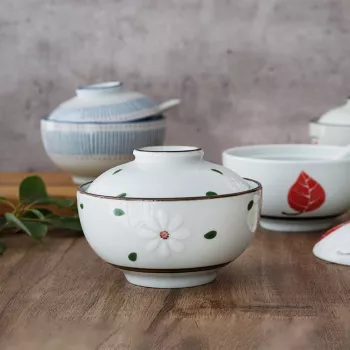
Yes—soup is one of the most common (and practical) foods to serve in a ceramic bowl. Ceramic holds heat well, feels comfortable to handle, and is typically nonreactive, so it won’t change the flavor of brothy, creamy, or acidic soups the way some metals can. The key is making sure the bowl is designed for hot foods and, if needed, for reheating.
A well-made ceramic bowl has enough thickness and weight to stay stable on the table, and it helps keep soup warm longer than thin glass or plastic. Many soup-style ceramic bowls also have higher sides to reduce splashes and make it easier to carry from kitchen to table. If you like to keep soup hot during a longer meal, a lidded bowl can help retain heat and aromas.
Usually, yes, but avoid sudden temperature shocks. Ceramic can crack if it goes from very cold to very hot too quickly (for example, pouring boiling soup into a bowl that just came out of the freezer). To reduce risk, let the bowl come closer to room temperature first, or warm it briefly with hot tap water before adding piping-hot soup.
It depends on the specific bowl. Many ceramic and porcelain bowls are microwave-safe, but metallic trim, certain glazes, or decorative decals may not be. Oven use also varies—some ceramics are rated for baking, while others are meant only for serving. Check the product description or the manufacturer’s care instructions before reheating soup in the bowl.
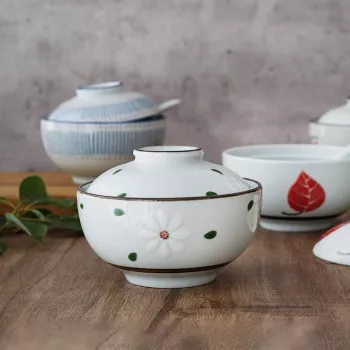
Porcelain is a type of ceramic that’s fired at higher temperatures, often making it denser and less porous. Porcelain stew or soup bowls are popular for everyday meals because they’re sturdy, easy to clean, and typically great at holding heat. For a deeper look at a soup-friendly size and lidded option, see this guide: https://splendona.com/guide-4-75-inch-porcelain-stew-bowl-with-lid-guide/.
Pre-warm the bowl with hot water, serve the soup immediately after heating, and consider using a lidded bowl or placing a small plate over the top between bites to trap heat.





Leave a comment