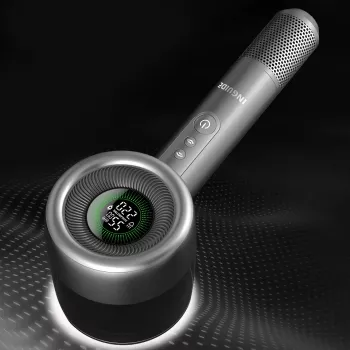
Yes—lint removers work on clothes when they’re used on the right fabrics and the device matches the job. They remove surface-level fuzz, lint, and pilling by catching loose fibers and lifting them away, which can make sweaters, coats, and upholstery look cleaner and newer in minutes. The key is that they improve appearance, but they won’t “repair” worn-out fabric or stop future pilling if the garment continues to rub against bags, seatbelts, or other clothes.
Most lint removers fall into two categories: sticky lint rollers and electric fabric shavers. Lint rollers pull off hair and lint sitting on top of fabric, while electric lint removers (fabric shavers) gently cut and collect the little fiber balls (pills) that form when fabric abrades. For sweaters and knits with visible pilling, an electric lint remover is usually the more dramatic fix.
On common pill-prone materials—like wool blends, acrylic knits, fleece, and some cottons—an electric lint remover can noticeably smooth the surface after one or two passes. You’ll typically see the collected fuzz build up quickly in the lint bin, especially on older garments.
To avoid damage, use light pressure and keep the fabric flat. Delicate items (loose weaves, very thin knits, lace, embellishments) can snag if the shaving head catches a thread. If the garment has raised textures or fragile fibers, test an inconspicuous spot first.
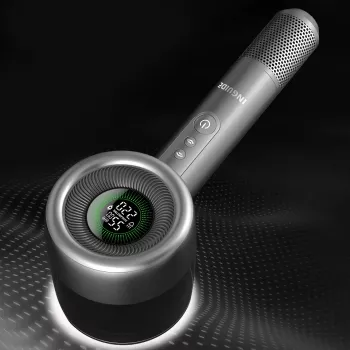
If pilling is the main problem, look for an electric lint remover with multiple speed settings, a protective mesh cover, and easy-to-clean parts. For a deeper walkthrough of features like adjustable speeds, LCD indicators, and practical use tips, see the detailed guide here: https://splendona.com/guide-4000mah-electric-lint-remover-led-lcd-5-speed-guide/.
Yes, but use light pressure and a lower setting first. Keep the sweater taut and avoid loose threads or delicate weaves to reduce snagging.




Leave a comment