Does nail polish have iodine?
Most nail polishes do not contain iodine as an intentional ingredient. Traditional lacquer and many gel formulas are typically built from film-formers, solvents (in regular polish), resins, plasticizers, and colorants—none of which require iodine to work. That said, ingredient lists vary by brand and shade, so the only way to be certain about a specific product is to check its label or the manufacturer’s ingredient disclosure.
Where “iodine” concerns usually come from
When people ask about iodine in nail products, it’s often connected to a few look-alike topics:
- Antiseptics and prepping solutions: Povidone-iodine is a common skin disinfectant used in medical settings. Some people assume similar products are used for nails, but routine nail polish application doesn’t require iodine-based antiseptics.
- Color associations: Iodine solutions have a distinctive brown/amber tone, which can be confused with certain pigments in polish. Cosmetic pigments are generally different materials entirely.
- Allergy and sensitivity questions: Reactions around nails are more commonly tied to acrylates (in gels), fragrance, or certain resins rather than iodine.
How to confirm what’s in a specific polish
If iodine avoidance matters for personal or medical reasons, take a practical, product-by-product approach:
- Read the ingredient list on the bottle/box or the brand’s product page.
- Check the SDS (Safety Data Sheet) when available—especially for gel products—since it often lists chemical components more formally.
- Contact the brand with the exact shade name and batch/lot number if you need confirmation.
Related reading for gel polish wear and product details
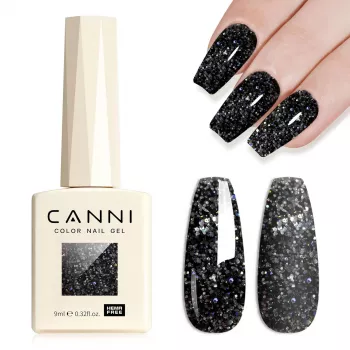
If you’re exploring gel manicure options and want more context on application, wear time, and what to expect from specialty finishes, see the guide here: Black Diamond Glitter Gel Polish: Long Wear with UV/LED.
FAQ
What ingredients commonly cause reactions around gel manicures?
The most frequent culprits are acrylates/methacrylates found in gel systems and adhesives, especially if uncured product contacts skin. If irritation occurs, discontinue use and seek medical guidance, and avoid re-exposure until you know the trigger.
Recommended for you







Leave a comment