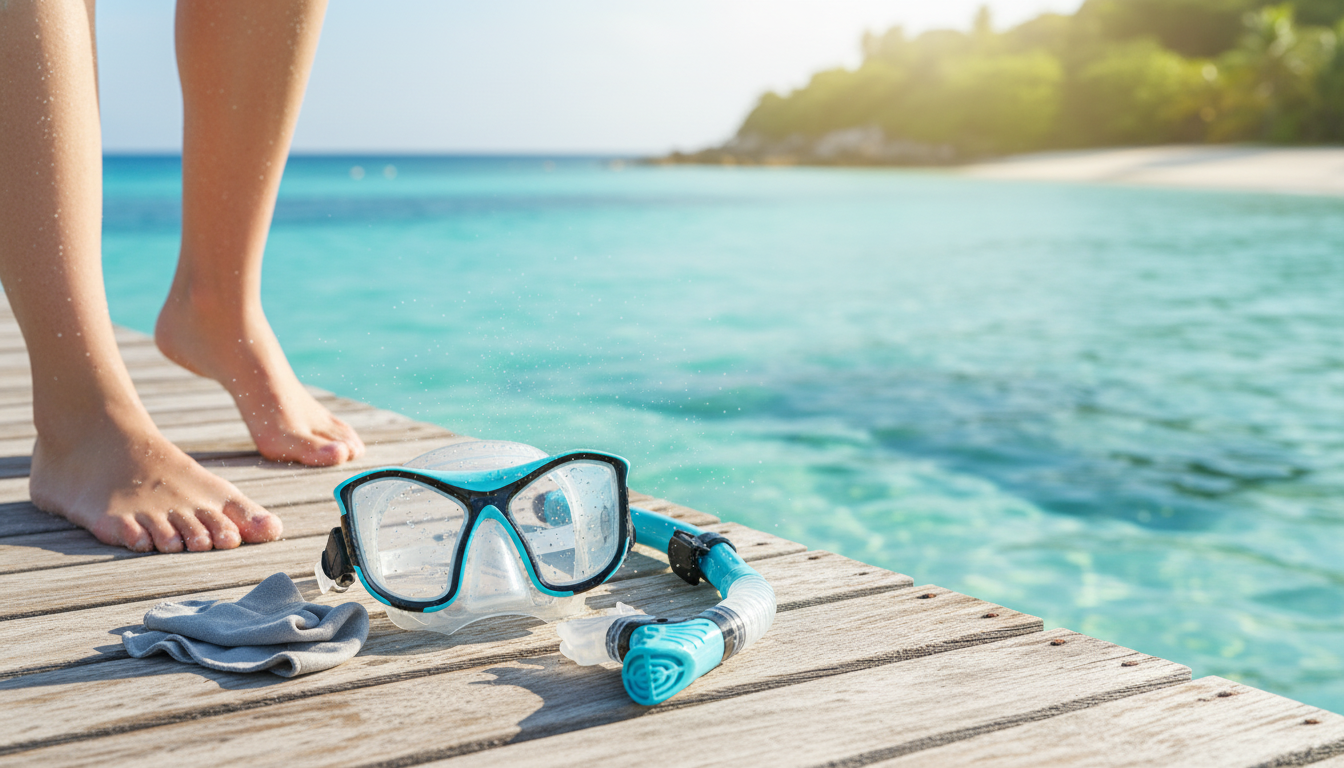
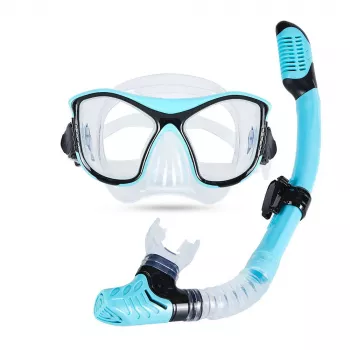
A well-fitting mask and a dependable snorkel can make time in the water calmer, clearer, and more comfortable. This adult set combines an anti-fog lens treatment approach, a soft silicone skirt designed to seal without pressure points, and a dry-top snorkel that helps reduce water entry from surface splashes. Use this guide to understand features that matter, how to fit the set correctly, and how to keep it performing trip after trip.
Small design details make a big difference when you’re floating face-down for an hour, switching between breathing rhythms, and adjusting to changing water temperature. Here’s what these core features do (and what they can’t do) so expectations match real conditions.
| Feature | Why it matters | What to look for | Common mistakes to avoid |
|---|---|---|---|
| Anti-fog readiness | Helps maintain visibility and reduces interruptions | Lens compatible with defog methods; easy-to-rinse design | Rubbing the inside of the lens; skipping rinse after defog |
| Silicone skirt | Creates a seal without excess strap pressure | Soft, flexible edge; even contact on cheeks and upper lip | Overtightening to compensate for poor fit |
| Dry-top snorkel | Reduces splash intake at the surface | Reliable top guard/valve; smooth airflow when upright | Assuming it prevents all water entry in waves |
| Strap & buckles | Keeps fit stable across long sessions | Easy adjusters; stays set after tightening | Twisting the strap; hair caught in buckles |
| Nose pocket shape | Supports equalization and comfort | Pinch-friendly nose area; no pressure points | Mask sitting too high/low so pinching is awkward |
Most “leaky mask” problems are fit problems, not strap problems. The skirt should seal with light pressure; the strap’s job is to hold the mask in place once the seal is correct.
Even premium masks can fog if the lens has residue, the defog step is rushed, or the lens gets touched. A consistent routine matters more than chasing a “never fog” claim.
For broader safety planning—currents, fatigue, and buddy habits—review resources from Divers Alert Network (DAN) and local conditions guidance from NOAA Ocean Service.
A dry-top snorkel is built for surface comfort, especially when chop or small splashes are constant. Used correctly, it can cut down on surprise mouthfuls of water—but it’s not magic.
Fogging comes from warm, moist air condensing on a cooler lens, and it can be amplified by factory residue or skin oils. Washing the lens before first use, applying defog correctly, and avoiding touching the inside of the lens usually makes the biggest difference.
No—dry-top designs reduce splash intake and help during brief dips, but waves, chop, and head turns can still push water down the tube. A solid clearing exhale (or purge technique if equipped) is still important.
Snug, not painful: the silicone skirt should create the seal, while the strap simply holds it in place. Overtightening can deform the skirt and worsen leaks and fogging, so keep the strap higher on the back of the head and adjust in small increments.




Leave a comment