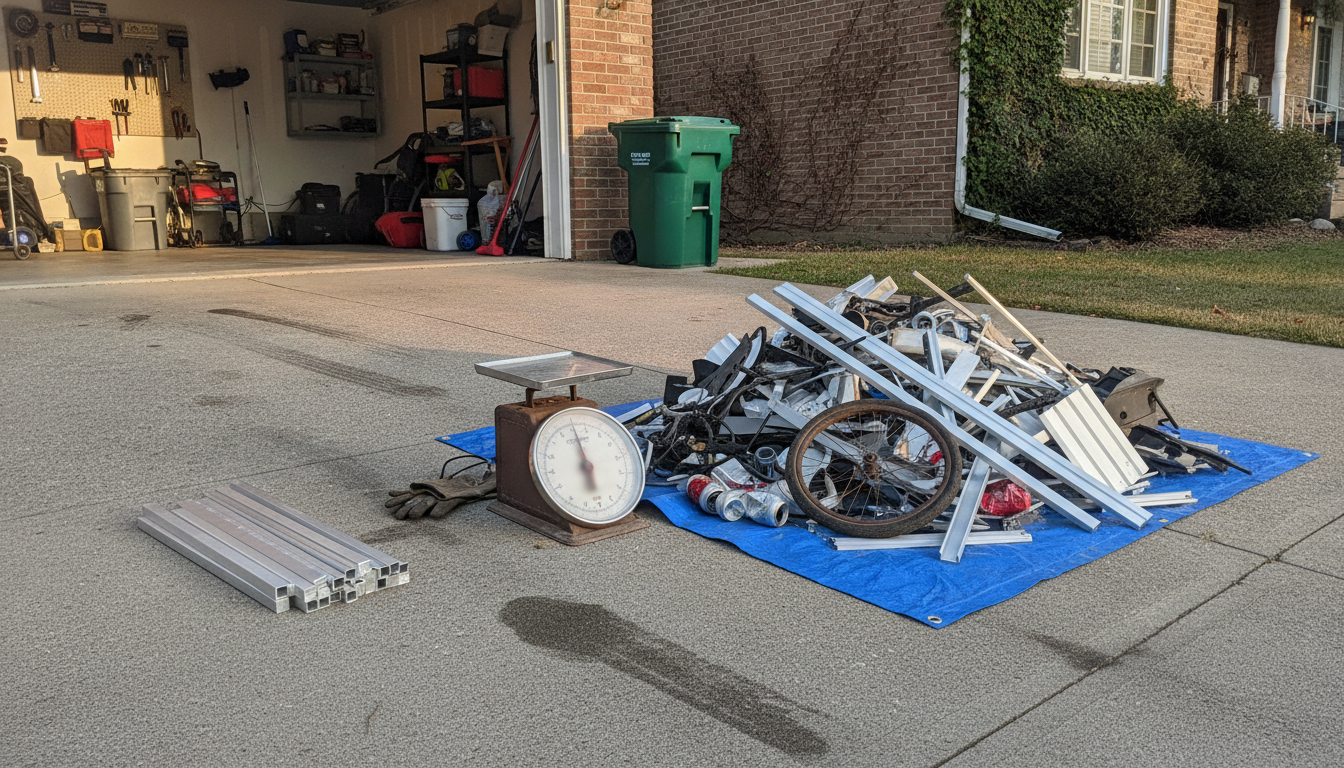
A pound of aluminum alloy can cost anywhere from roughly $0.90 to $4.00+ per lb, depending on what “aluminum alloy” means in the specific context. Commodity aluminum (often referenced by industrial grades) tends to track metals markets, while specialty alloys sold as small-quantity stock for fabrication—like 6061 or 7075 bar, plate, or tubing—usually cost more per pound because you’re paying for processing, tolerances, and retail cut-to-size service.
If the question is about scrap aluminum alloy, pricing is typically lower and more volatile. Clean, sorted scrap (like certain cast or extruded alloy categories) may bring a better rate than mixed, painted, or contaminated material. Local scrap-yard rules, minimum loads, and regional demand can move the number significantly week to week.
If the question is about buying new alloy for projects, here’s the practical way to estimate it: find the per-foot or per-piece price from a supplier, then divide by the item’s weight. Aluminum is light (about 0.0975 lb per cubic inch), so thin-walled parts can look “expensive per pound” even when the total cost is modest. Higher-strength alloys (like 7075) and tightly controlled aerospace specs also push cost upward.
For lightweight components—like the kind used in bike hardware—material choice is only part of the final price. Design, machining, heat treatment, anodizing, and quality control often outweigh the raw metal cost. If you’re comparing materials in performance-focused cycling parts, this guide on fit, setup, and locking pedal choices may help: ultralight locking bike pedals: grip, fit, and setup.
For Aluminum Alloy Price Per Pound: New vs Scrap Costs, the best answer depends on fit, material, care instructions, and how the product will be used day to day.
Market price of aluminum, alloy type (for example, 6061 vs. 7075), form factor (sheet, plate, bar, tube), and whether you’re buying scrap or new stock have the biggest impact. Quantity, certifications, and finishing requirements can also change the per-pound cost.
A pound of aluminum alloy can cost anywhere from roughly $0.90 to $4.00+ per lb, depending on what “aluminum alloy” means in the specific context. Commodity aluminum (often referenced by industrial grades) tends to track metals markets, while specialty alloys sold as small-quantity stock for fabrication—like 6061 or 7075 bar, plate, or tubing—usually cost more per pound because you’re paying for processing, tolerances, and retail cut-to-size service.
If the question is about scrap aluminum alloy, pricing is typically lower and more volatile. Clean, sorted scrap (like certain cast or extruded alloy categories) may bring a better rate than mixed, painted, or contaminated material. Local scrap-yard rules, minimum loads, and regional demand can move the number significantly week to week.
If the question is about buying new alloy for projects, here’s the practical way to estimate it: find the per-foot or per-piece price from a supplier, then divide by the item’s weight. Aluminum is light (about 0.0975 lb per cubic inch), so thin-walled parts can look “expensive per pound” even when the total cost is modest. Higher-strength alloys (like 7075) and tightly controlled aerospace specs also push cost upward.
For lightweight components—like the kind used in bike hardware—material choice is only part of the final price. Design, machining, heat treatment, anodizing, and quality control often outweigh the raw metal cost. If you’re comparing materials in performance-focused cycling parts, this guide on fit, setup, and locking pedal choices may help: ultralight locking bike pedals: grip, fit, and setup.
For Aluminum Alloy Price Per Pound: New vs Scrap Costs, the best answer depends on fit, material, care instructions, and how the product will be used day to day.
Market price of aluminum, alloy type (for example, 6061 vs. 7075), form factor (sheet, plate, bar, tube), and whether you’re buying scrap or new stock have the biggest impact. Quantity, certifications, and finishing requirements can also change the per-pound cost.
A pound of aluminum alloy can cost anywhere from roughly $0.90 to $4.00+ per lb, depending on what “aluminum alloy” means in the specific context. Commodity aluminum (often referenced by industrial grades) tends to track metals markets, while specialty alloys sold as small-quantity stock for fabrication—like 6061 or 7075 bar, plate, or tubing—usually cost more per pound because you’re paying for processing, tolerances, and retail cut-to-size service.
If the question is about scrap aluminum alloy, pricing is typically lower and more volatile. Clean, sorted scrap (like certain cast or extruded alloy categories) may bring a better rate than mixed, painted, or contaminated material. Local scrap-yard rules, minimum loads, and regional demand can move the number significantly week to week.
If the question is about buying new alloy for projects, here’s the practical way to estimate it: find the per-foot or per-piece price from a supplier, then divide by the item’s weight. Aluminum is light (about 0.0975 lb per cubic inch), so thin-walled parts can look “expensive per pound” even when the total cost is modest. Higher-strength alloys (like 7075) and tightly controlled aerospace specs also push cost upward.
For lightweight components—like the kind used in bike hardware—material choice is only part of the final price. Design, machining, heat treatment, anodizing, and quality control often outweigh the raw metal cost. If you’re comparing materials in performance-focused cycling parts, this guide on fit, setup, and locking pedal choices may help: ultralight locking bike pedals: grip, fit, and setup.
For Aluminum Alloy Price Per Pound: New vs Scrap Costs, the best answer depends on fit, material, care instructions, and how the product will be used day to day.
Market price of aluminum, alloy type (for example, 6061 vs. 7075), form factor (sheet, plate, bar, tube), and whether you’re buying scrap or new stock have the biggest impact. Quantity, certifications, and finishing requirements can also change the per-pound cost.
A pound of aluminum alloy can cost anywhere from roughly $0.90 to $4.00+ per lb, depending on what “aluminum alloy” means in the specific context. Commodity aluminum (often referenced by industrial grades) tends to track metals markets, while specialty alloys sold as small-quantity stock for fabrication—like 6061 or 7075 bar, plate, or tubing—usually cost more per pound because you’re paying for processing, tolerances, and retail cut-to-size service.
If the question is about scrap aluminum alloy, pricing is typically lower and more volatile. Clean, sorted scrap (like certain cast or extruded alloy categories) may bring a better rate than mixed, painted, or contaminated material. Local scrap-yard rules, minimum loads, and regional demand can move the number significantly week to week.
If the question is about buying new alloy for projects, here’s the practical way to estimate it: find the per-foot or per-piece price from a supplier, then divide by the item’s weight. Aluminum is light (about 0.0975 lb per cubic inch), so thin-walled parts can look “expensive per pound” even when the total cost is modest. Higher-strength alloys (like 7075) and tightly controlled aerospace specs also push cost upward.
For lightweight components—like the kind used in bike hardware—material choice is only part of the final price. Design, machining, heat treatment, anodizing, and quality control often outweigh the raw metal cost. If you’re comparing materials in performance-focused cycling parts, this guide on fit, setup, and locking pedal choices may help: ultralight locking bike pedals: grip, fit, and setup.
For Aluminum Alloy Price Per Pound: New vs Scrap Costs, the best answer depends on fit, material, care instructions, and how the product will be used day to day.
Market price of aluminum, alloy type (for example, 6061 vs. 7075), form factor (sheet, plate, bar, tube), and whether you’re buying scrap or new stock have the biggest impact. Quantity, certifications, and finishing requirements can also change the per-pound cost.







Leave a comment