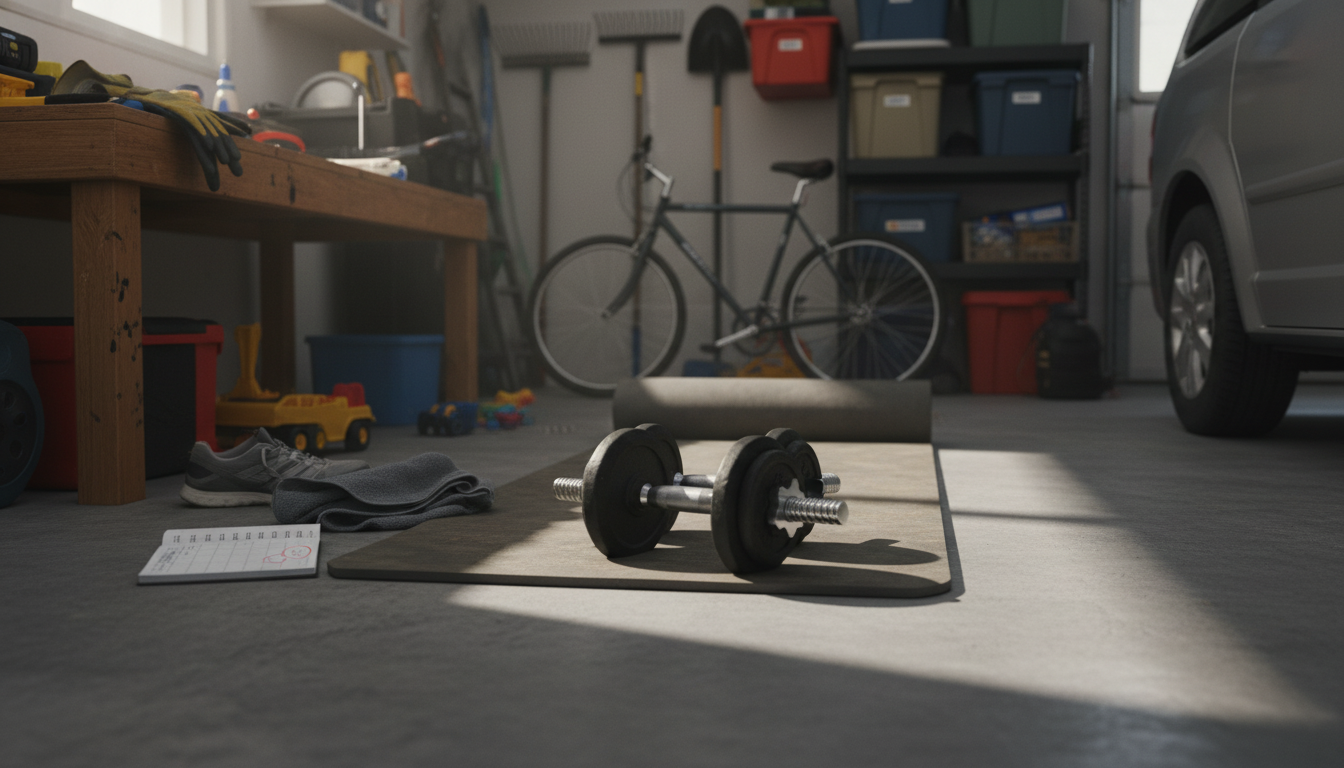
For most people, symmetric strength training works best 2–4 days per week. That range is frequent enough to build strength and muscle while still leaving time for recovery—where your body actually adapts. “Symmetric” simply means you’re training both sides and opposing muscle groups evenly (push and pull, left and right, upper and lower), which helps reduce overuse issues and keeps posture and mechanics balanced.
If you’re newer to lifting or returning after a break, start with 2 full-body sessions per week. This schedule gives you multiple exposures to foundational movement patterns (squat, hinge, push, pull, carry) without piling on soreness or fatigue. As you feel more resilient and consistent, move up to 3 days per week (often the sweet spot for strength gains and energy). More experienced lifters can do 4 days per week by splitting workouts (for example, upper/lower), as long as weekly volume and intensity are managed.
2 days/week: Best for beginners, busy schedules, or anyone prioritizing recovery. Keep workouts full-body and focus on perfect form, moderate loads, and gradual progress.
3 days/week: Great for steady strength and body composition changes. You can do full-body each day or a rotating emphasis (lower, upper, full) while still staying balanced overall.
4 days/week: Useful if you recover well and want more training volume. Split sessions to avoid excessively long workouts and keep symmetry by matching pushing and pulling and training both sides evenly.
A good rule: leave at least 48 hours before training the same muscle group hard again. If your performance is dropping, soreness lingers longer than two days, sleep quality declines, or motivation tanks, reduce volume or drop a day. If weights feel smoother and you’re adding reps or load over time, your frequency is likely appropriate.
For a structured approach that supports strength, recovery, and overall well-being, see the full guide here: Strength training for hormone balance (women’s plan).
Full-body sessions are usually ideal 2–3 days per week because you practice key lifts more often with manageable volume. Splits can work well at 4 days per week, as long as you match push/pull and train both sides evenly across the week.






Leave a comment