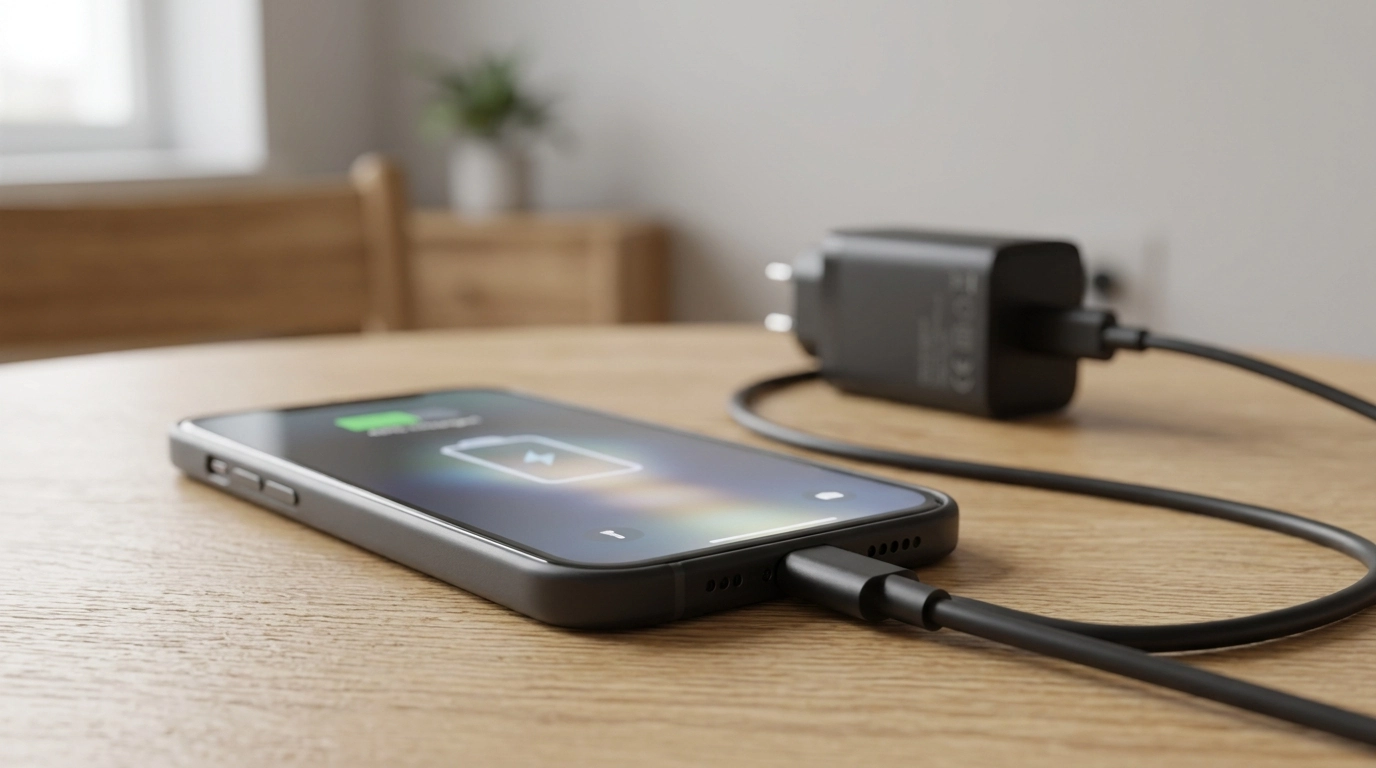
A 45W charger usually isn’t bad for your phone. With modern USB-C Power Delivery (PD) charging, your phone and charger “talk” to each other and agree on the safest power level. That means a 45W charger won’t force 45W into a phone that can only accept 18W or 25W—it will typically charge at the phone’s maximum supported rate.
If you’re using a quality PD (or PD + PPS) USB-C charger and a good cable, a 45W adapter is a convenient, future-proof choice. Many phones will simply draw what they’re designed for, and you may see faster charging only if your phone actually supports 45W (or something close to it).
The wattage number isn’t the main risk—heat and build quality are. Problems can show up when:
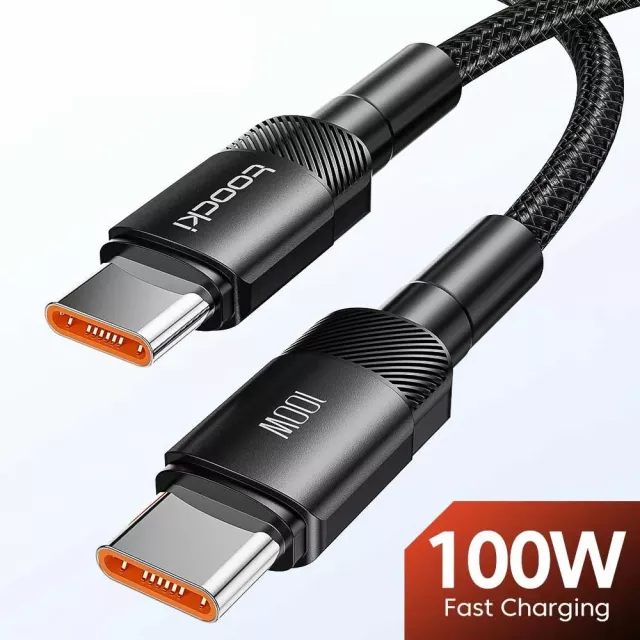
To keep charging cool and steady, our team recommends pairing a reputable PD/PPS wall charger with a properly rated USB-C cable (especially if you’re aiming for “super fast” charging modes that require specific current and protocols).
Any fast charging can increase heat, and heat is what impacts battery longevity most. If you want to be extra gentle on your battery, use fast charging when you need it and charge more slowly when you don’t—many phones also offer a setting to limit fast charging or optimize overnight charging.
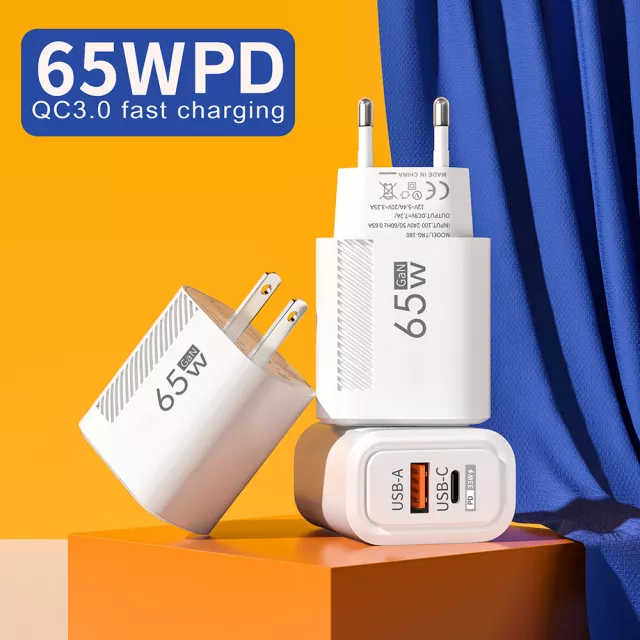
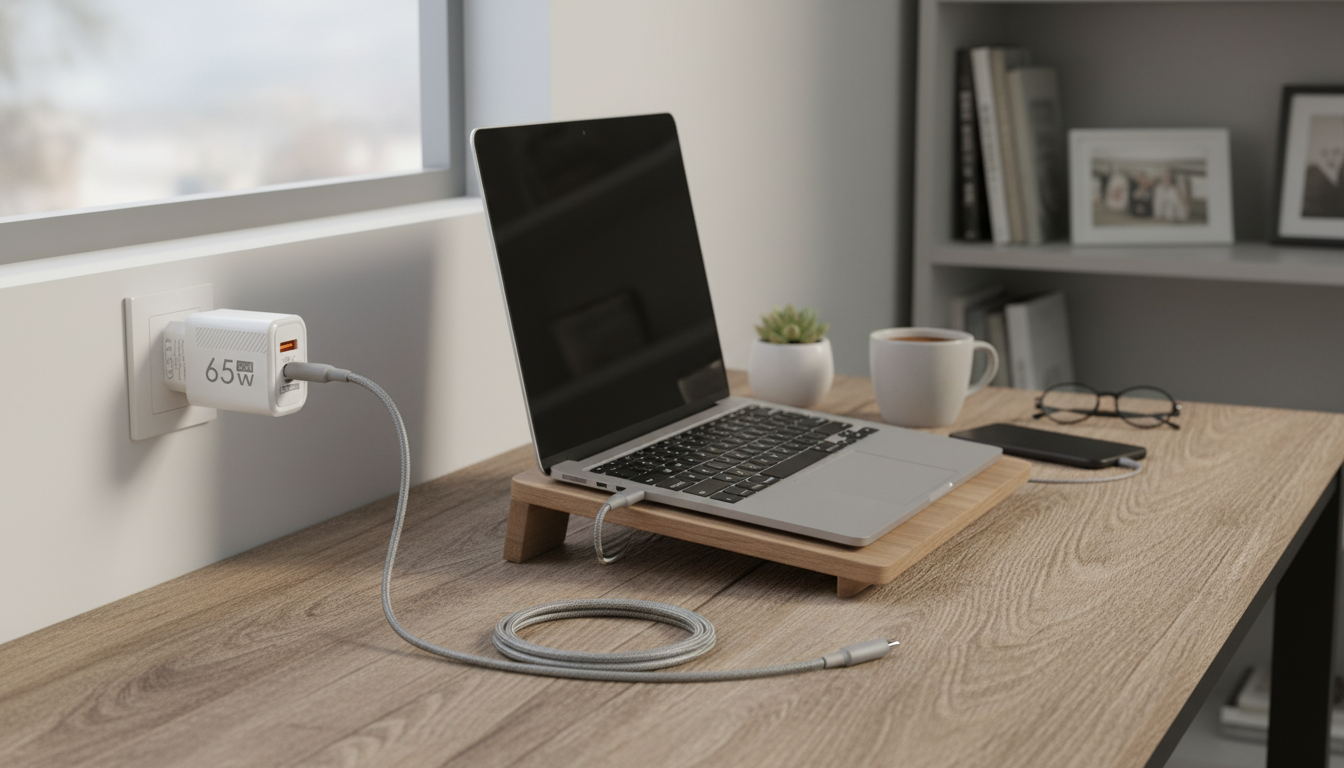
A 45W charger can be a sweet spot for travel because it can handle many phones, tablets, and smaller USB-C devices with one brick. For more guidance on stepping up to higher-wattage, multi-device options, see our detailed guide: https://splendona.com/guide-65w-gan-usb-c-wall-charger-quick-charge/.
Yes—if it’s a quality USB-C PD charger, your phone will only draw the power it supports. You’ll typically only see faster charging if your phone is designed to charge at higher wattage.


Leave a comment