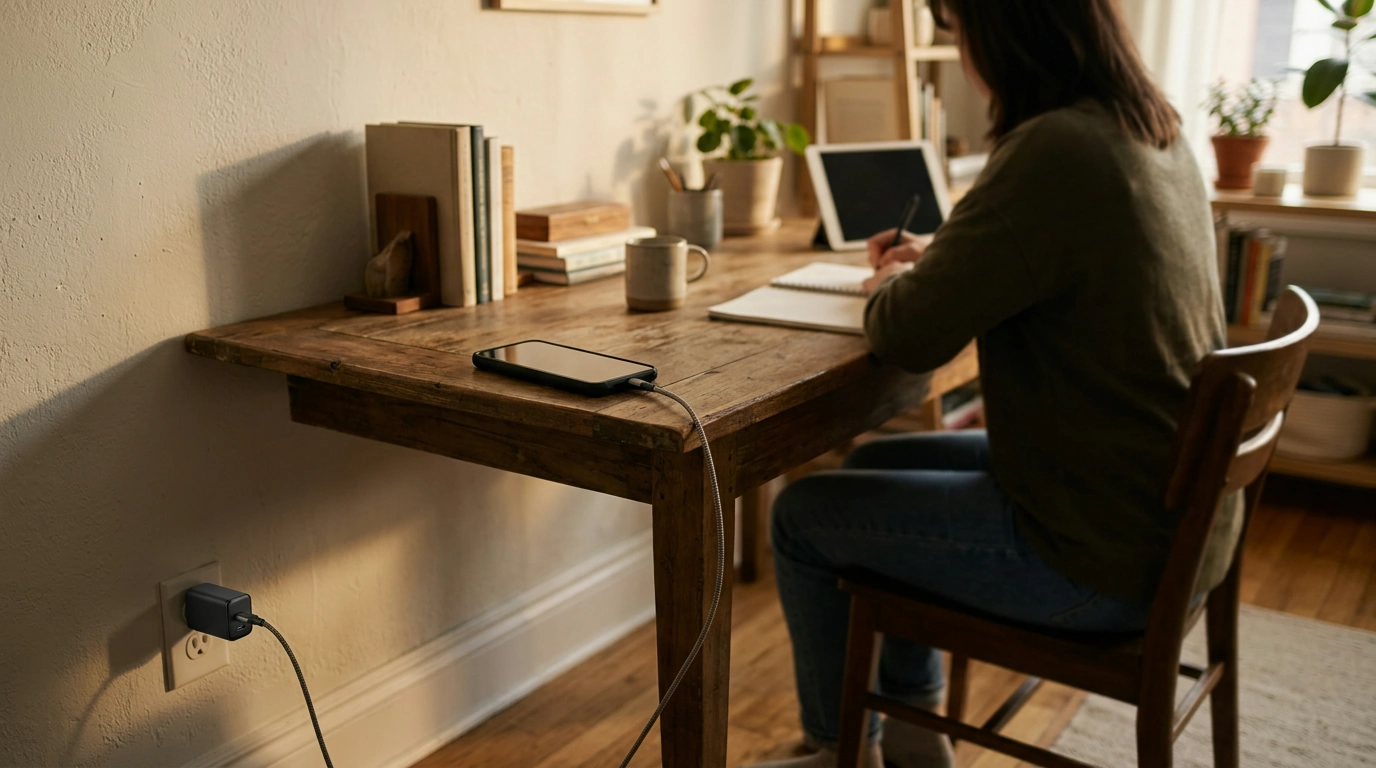
Yes—using a GaN (gallium nitride) charger is safe for your iPhone as long as the charger is well-built and follows modern USB-C standards. GaN is simply the material used inside the charger’s power components, allowing a smaller size and often cooler, more efficient operation compared to older silicon designs. What matters most for iPhone safety is how the charger regulates voltage and negotiates power with the phone.
Your iPhone will only draw the power it asks for. A quality USB-C PD charger “handshakes” with the iPhone and provides the correct voltage, rather than forcing a fixed high output. This is the main reason higher-wattage chargers can still be safe for lower-power devices.
Our team recommends choosing chargers with core protections like over-current, over-voltage, over-temperature, and short-circuit protection. A compact GaN unit should also have sturdy prongs, a solid housing, and consistent performance under load—especially if you charge while using your phone.
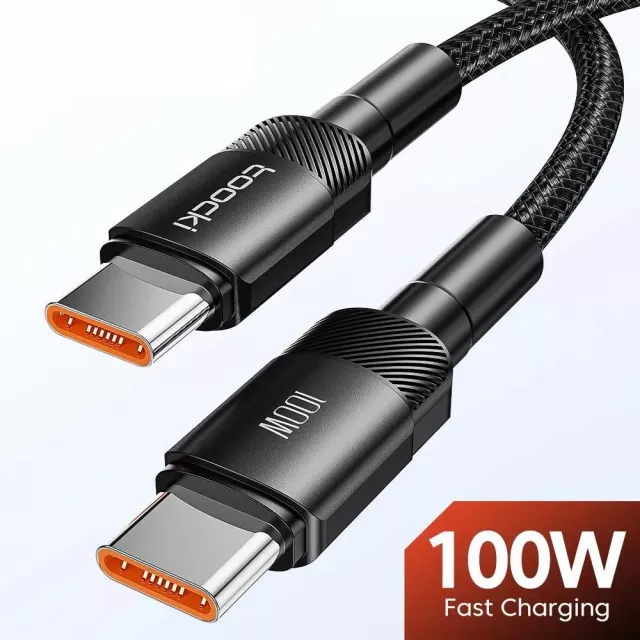
Pair your GaN charger with a USB-C to Lightning cable that’s designed for PD charging. A poor-quality cable can create heat, slow charging, or intermittent disconnects—none of which are good for long-term battery comfort.
For everyday charging, it’s normal for your iPhone to warm slightly, but you should avoid charging on soft surfaces that trap heat. If your phone feels hot, pause charging and let it cool. For more practical selection tips—especially if you’re considering a multi-device setup—see our detailed guide here: 65W GaN USB-C Wall Charger Quick Charge Guide.
The safest iPhone charger is a well-made USB-C Power Delivery charger from a reputable brand, paired with a quality USB-C to Lightning cable. Look for built-in protections like over-temperature and over-current safeguards.
Charge on a hard, ventilated surface and avoid heat buildup during charging. For battery comfort over time, keep charging temperatures moderate and unplug if the phone becomes unusually warm.
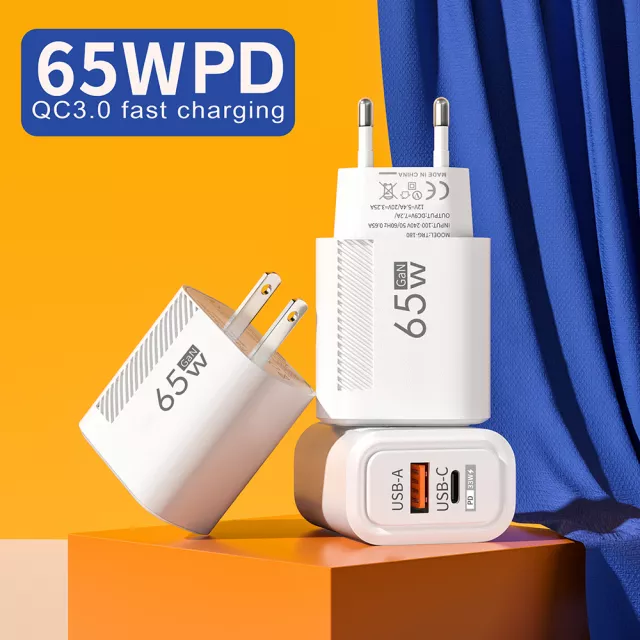
Yes, a 65W GaN charger is safe for an iPhone when it supports USB-C PD, because the iPhone will only draw the wattage it needs. The extra wattage mainly benefits faster charging for larger devices, not forced power into your phone.





Leave a comment