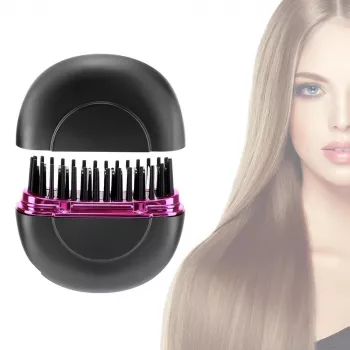
Ceramic can be a better choice for many hair straighteners because it delivers more even, consistent heat across the plates. That steady heat helps reduce “hot spots” that can snag or scorch sections of hair, which is especially helpful for fine, fragile, color-treated, or damage-prone hair.
Ceramic also tends to glide smoothly, so you often need fewer passes to get a polished finish. Fewer passes generally means less total heat exposure, which can translate to less dryness and breakage over time.
Ceramic straighteners are a strong match for everyday smoothing and soft straight styles. They’re commonly recommended when comfort and predictability matter—steady heat, easier control, and less chance of accidentally overheating one area. For users who are still dialing in technique, ceramic’s even heat can be more forgiving.
For very thick, coarse, or tightly curled hair, titanium (or titanium-coated plates) can feel more effective because it heats up fast and transfers heat aggressively. The tradeoff is that titanium can be easier to overdo, so it often requires a lighter touch, good sectioning, and careful temperature selection.
Some tools combine materials or add features like ionic technology to reduce static and frizz. The “best” straightener is the one that matches hair type, desired finish, and how often heat styling happens—plus dependable temperature control.
If hair is fine, easily frizzy, or prone to heat damage, ceramic is often the safer starting point. If hair is very resistant and takes a long time to straighten, consider titanium or a hybrid, but prioritize adjustable heat and use a heat protectant either way.
For a deeper look at ceramic styling tools—especially portable and brush-style options—see the full guide here: https://splendona.com/guide-cordless-ceramic-straightening-brush-ionic-anti-scald/.
Fine or damaged hair often does best around 250–330°F, while medium textures may need 330–375°F; thick or coarse hair can require 375–410°F. Start lower and increase only as needed to avoid unnecessary heat exposure.





Leave a comment