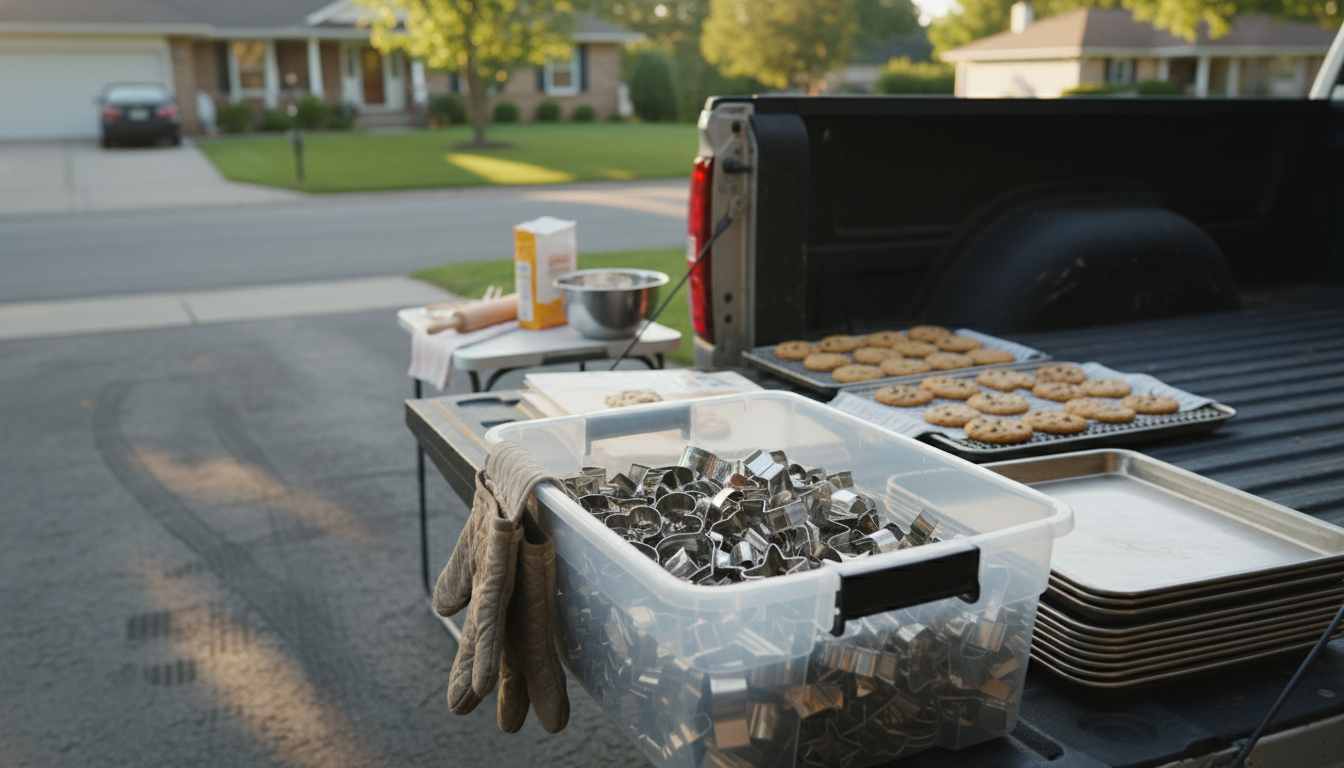
Stainless steel can be a good choice for cookies, but it behaves differently than aluminum or nonstick cookie sheets. Stainless steel is durable, won’t react with acidic ingredients, and is easy to clean. The tradeoff is heat performance: stainless steel generally doesn’t conduct heat as efficiently as aluminum, so cookies may bake a bit slower and can brown less evenly if the pan is thin or has hot spots.
For the best results, look for a heavy-gauge stainless steel baking sheet or a stainless sheet with a bonded aluminum core (sometimes labeled “tri-ply” or “clad”). The added mass and improved conductivity help cookies spread and brown more consistently. If the pan is lightweight stainless, consider extending bake time slightly and rotating the sheet halfway through.
Another factor is sticking. Bare stainless steel isn’t naturally nonstick, so cookies can cling—especially high-sugar doughs. Lining the pan with parchment paper or a silicone baking mat helps release, protects the surface, and makes cleanup easier.
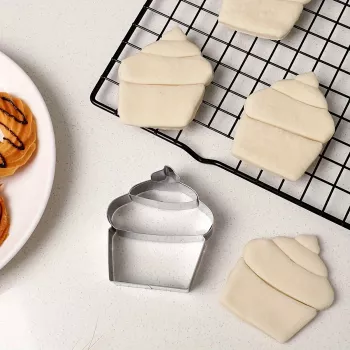
If you’re choosing stainless for portioning and shaping, stainless cookie molds and cutters are also a solid pick because they’re sturdy, resist rust, and keep crisp edges. For a deeper look at stainless options for baking and shaping, see this stainless steel cookie and ice cream mold set guide.
Stainless steel tends to promote a gentler bake with less aggressive browning on the bottom compared with aluminum. That can be an advantage for cookies that easily overbrown, but it may require small adjustments—like a slightly higher oven rack position, a longer bake, or a preheated sheet if a crispier underside is the goal.
To avoid pale centers and overdone edges, use consistent dough sizing, bake one sheet at a time when possible, and rotate the pan mid-bake. Pairing stainless with parchment is a simple upgrade that improves both texture and cleanup.
Yes. Use a heavier stainless sheet when possible and line it with parchment or a silicone mat to reduce sticking and encourage even baking.
Many chefs rely on stainless steel because it’s durable, non-reactive, and easy to sanitize. It also holds up well to high heat and frequent use without flaking or degrading.





Leave a comment