
A GaN charger is a power adapter that uses gallium nitride (GaN) transistors instead of traditional silicon to convert wall power into safe, usable charging power for your devices. That material change may sound small, but it enables a charger to run more efficiently at higher switching speeds, which is why GaN models are often noticeably smaller and lighter than older high-wattage chargers.
Because GaN components waste less energy as heat, a GaN charger can deliver the same (or higher) wattage with less bulk devoted to cooling and internal spacing. For you, that typically means a compact wall charger that can still provide enough power for power-hungry devices like tablets, ultrabooks, handheld gaming systems, and fast-charging phones—often from a single USB-C port with Power Delivery (PD).
GaN is not a charging standard by itself. The charging speed you get still depends on the charger’s supported protocols (like USB-C PD or Quick Charge), the wattage it can output, the cable’s rating, and what your device can accept. GaN simply makes it easier to build a smaller, cooler-running charger at higher power levels.
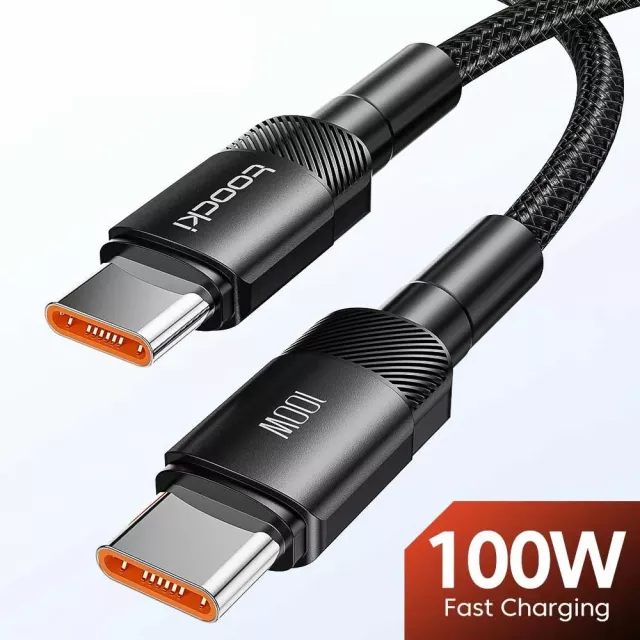
Start with wattage. Phones often charge well on 20W–30W, while many laptops need 45W–100W depending on the model. Next, check ports: a single-port GaN charger can provide full power to one device, while multi-port models may split power when you charge more than one item at once. Finally, use a quality USB-C cable rated for the wattage you plan to draw; a higher-power laptop charge requires a cable designed for that load.
If you travel, commute, or keep a charger in a small bag, GaN’s compact footprint is a major win. It’s also a strong upgrade if you want one charger that can handle everything from earbuds to a laptop without carrying a bulky brick.
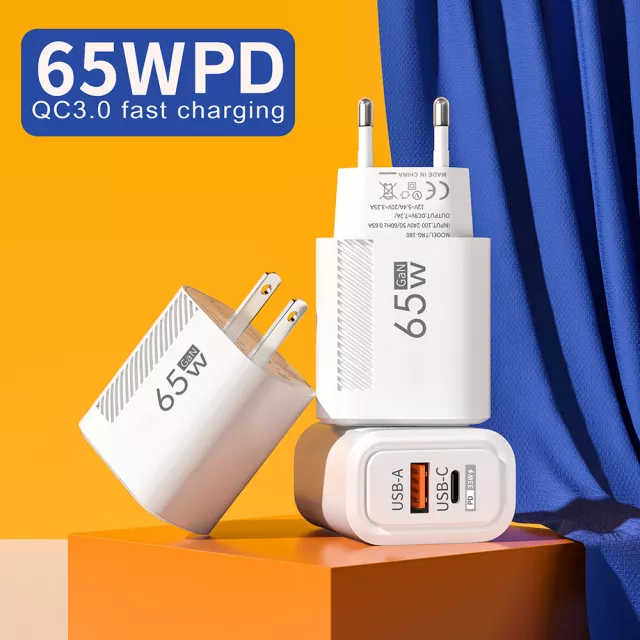
For a practical example of what to look for in a higher-power option, our team breaks it down in our guide: 65W GaN USB-C Wall Charger (Quick Charge) guide.
Yes, as long as it supports USB-C Power Delivery and provides enough wattage for your laptop’s needs. Many laptops charge reliably at 45W–65W, while larger models may require more.



Leave a comment